


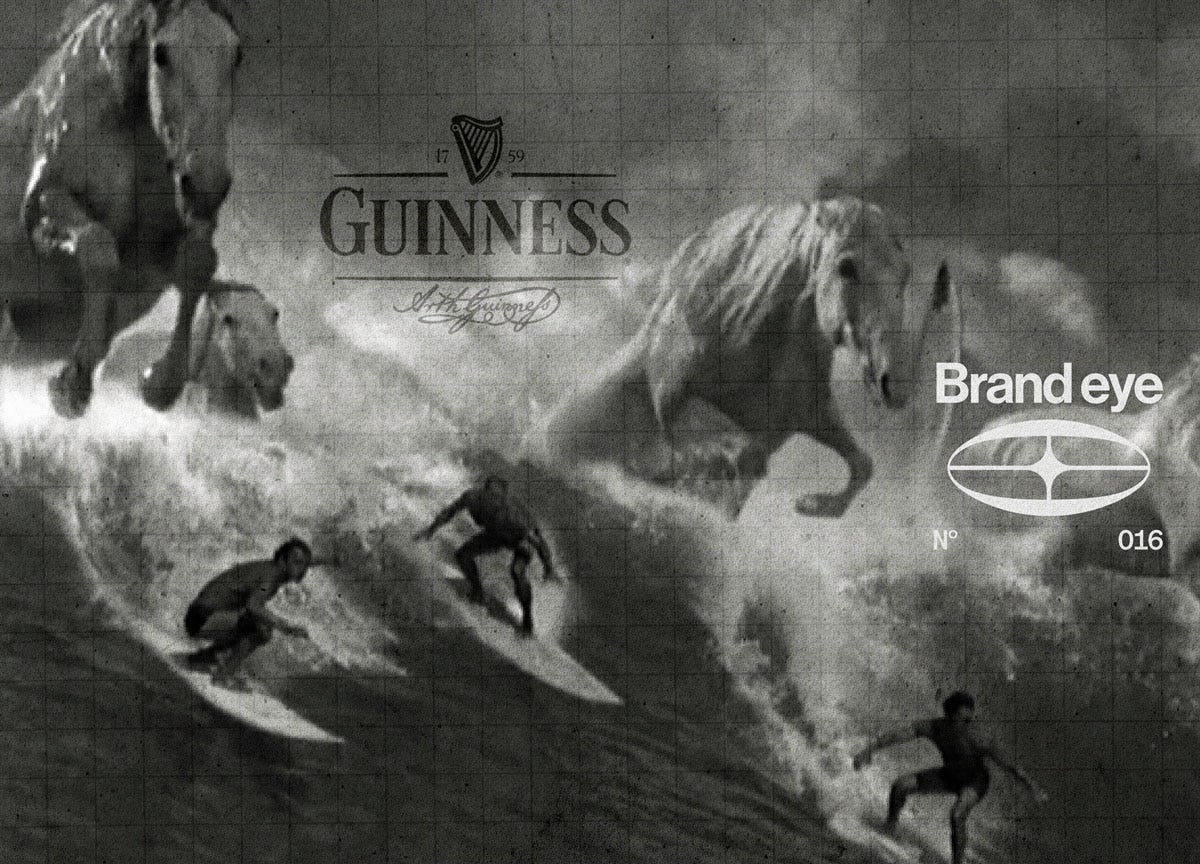
Founders tend to think of branding in terms of design principles, logos, wordmarks, or tone of voice. A less recognised part of branding is the patterns of behaviour that become associated with a brand. Think of the Guinness slow pour, or the Oreo twist.
Sometimes it’s a particular way of interacting with your product that sets it apart from its competitors and builds an association with consumers. We’re calling this phenomenon brand rituals.
Between branding and product design
What makes them interesting is that they’re a liminal case, living across the boundary between product design and branding. A ritual can be designed and baked into the product, or it can be picked up as a consumer habit that has natural evolved.
From there it travels up a layer. The habit gets built into the brand story, and then campaigns and advertising can build myths around it, or use the ritual as an embodiment of everything the brand stands for. The behaviour starts in the product, becomes a habit, and ends up as story.
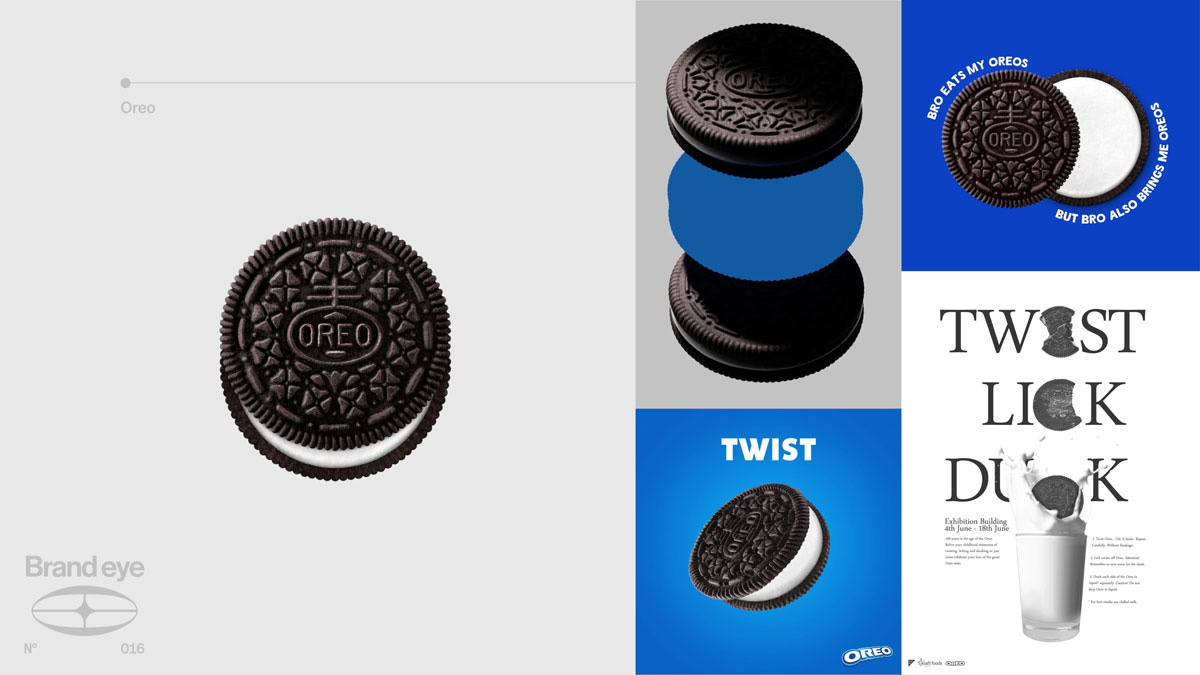
The Oreo twist works this way. Nobody engineered it. People started prising the cookie apart and licking the cream, and the brand simply noticed, then built the twist, lick, dunk campaigns around a habit that already existed.
Done well, the arc is self-reinforcing, and consumers become ambassadors, even a source of product intelligence.
The habit loop
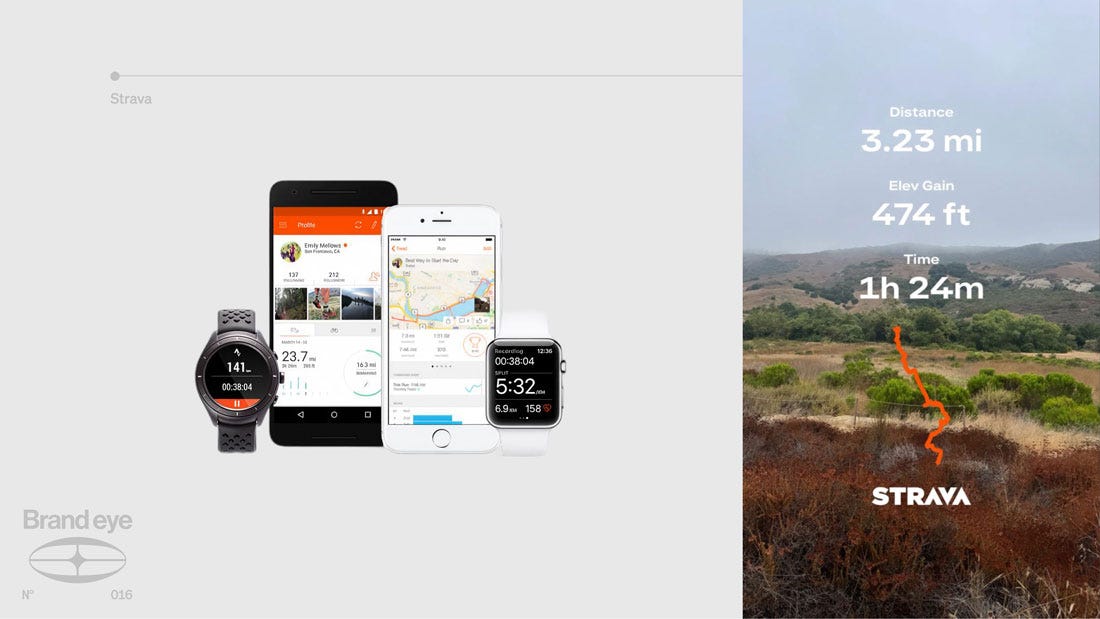
Strava is a good example. After each tracked run comes the upload, a habitual action that gives the whole experience a sense of completion and carries a social charge.
The upload doesn’t just mark the end of a session. It logs it for posterity, turning each workout from a one-off into a gradual contribution to an edifice of fitness. And crucially, it makes the whole thing a public performance.
Habit-based products like Strava are naturally suited to rituals, since repetition is baked in. The relationship is self-reinforcing. A habitual product makes a ritual easier to build, and once use becomes ritualistic rather than merely habitual, the habit embeds itself more deeply.
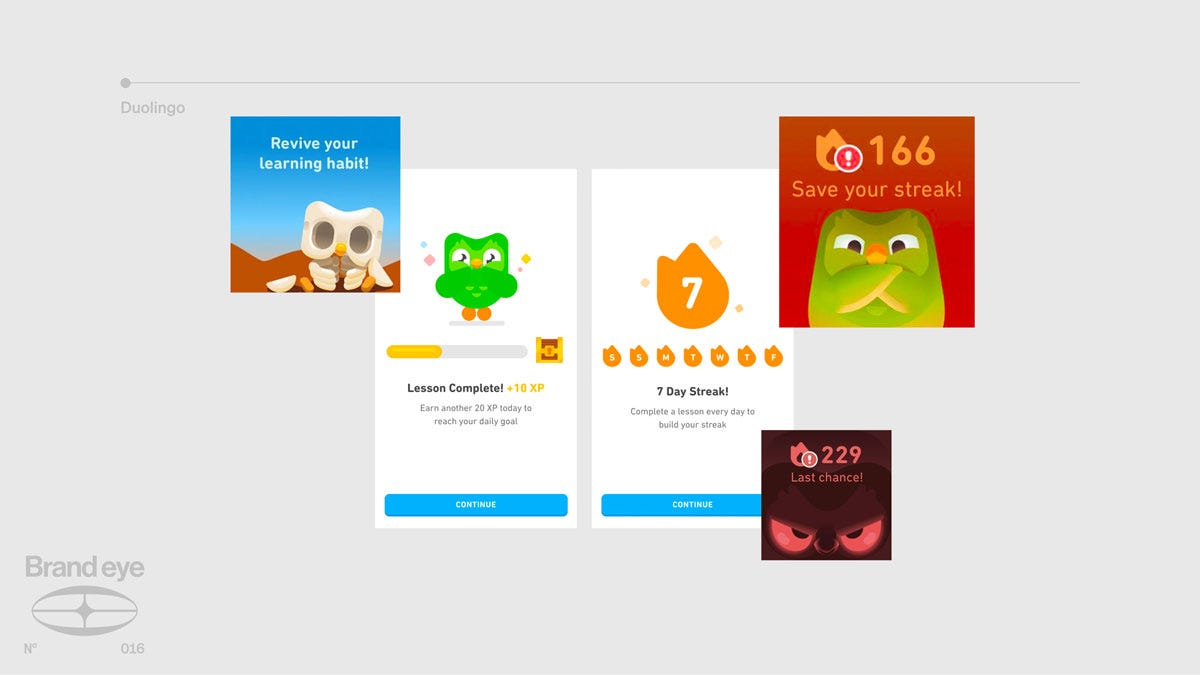
Duolingo’s streaks are a good case. They become part of your daily practice, an act of self-improvement, the educational equivalent of brushing your teeth.
This keeps Duolingo present in a user’s daily tech use, and it improves the product too, since consistent repetition is exactly what language acquisition demands. That points to another value-add. A ritual done well sits across both brand and product, sharpening the offering while strengthening its identity.
Ritual as spectacle
Even products that aren’t habit-based can be ritualistic. FIFA Ultimate Team packs are a digital cousin of the Pokémon booster pack, only with footballers. Their success became a decade-spanning phenomenon that lifted an already huge franchise into one of the world’s premier media products.
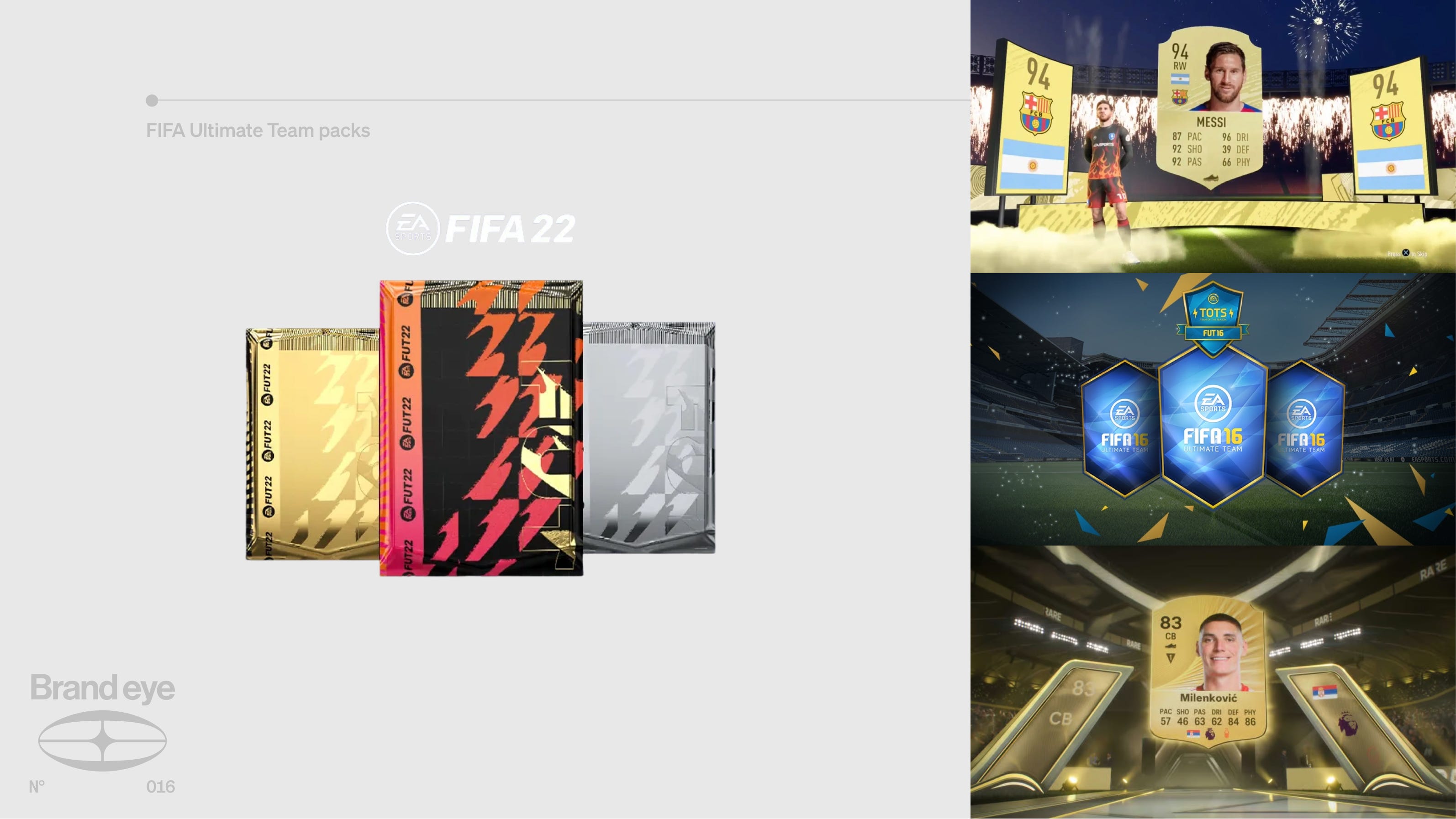
Opening them has become an industry in itself, with streamers building whole audiences around live pack openings. The opening is an elaborate animation laced with cues that let you guess the player you’re about to get. First the nationality, then a rating, then the colour of the fireworks. And if the card is good enough, the player leaps out and parades across the screen.
EAFC has engineered that sequence for maximum tension and dopamine, turning a digital unboxing into a ritual that draws audiences just to watch it performed. That I’ve not yet mentioned the cards are for playing actual matches rather proves the point. The product has become incidental to the ritual.
Ritual as elevation
Then there are rituals built neither on habit nor spectacle, but on elevation. The Guinness slow pour is the emblematic case, lending a humble pint a sense of devotion and friction that only deepens the experience.
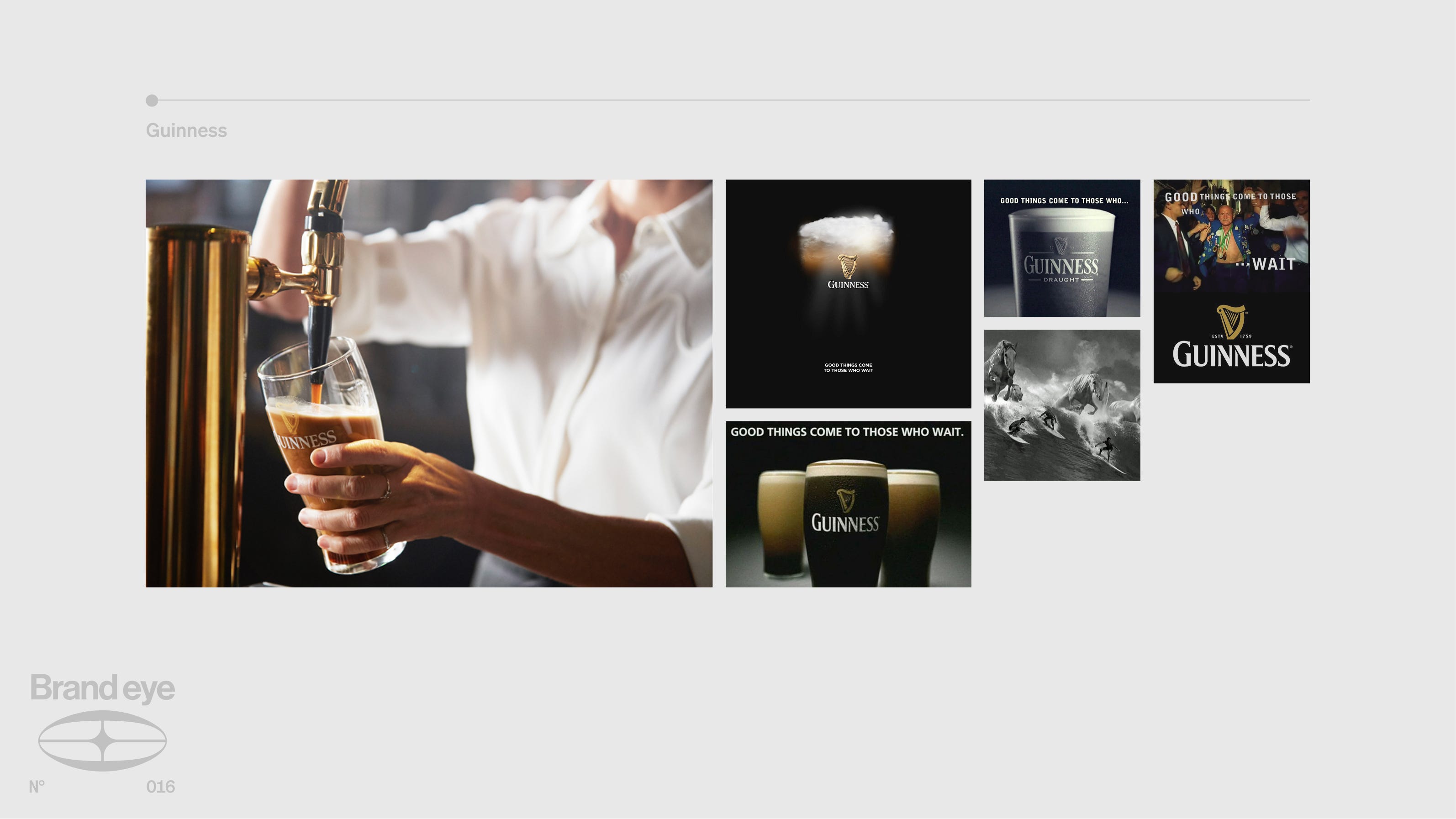
A proper pour takes around 119 seconds, far longer than your standard pilsner. That friction sat in the product long before it sat in any campaign. The ritual came first.
The slogan came later. “Good things come to those who wait” was a campaign concept that embodied the wider brand story, patience rewarded with quality, and it built directly on a ritual customers were already performing. It gave the wait a meaning, and the surfer ad turned that meaning into myth.
Customers once impatient to get back to their friends now raptly monitor the foam settling in the glass, savouring the delay. Guinness didn’t create the friction, they recognised its value and turned a weakness into a perk.
How to build a ritual
So rituals can be a real boon. But how do you actually build one? A few qualities show up again and again in the ones that work.
Repeatability. This one is self-evident, but it’s the only true non-negotiable. If the behaviour can’t be repeated, it isn’t a ritual.
Simplicity. A ritual should be something people do almost without thinking, integrated into use rather than bolted on. That doesn’t mean frictionless, since friction can be the value-add, but friction and complexity aren’t the same thing. Keep it simple and the ritual adds to the experience rather than getting in the way.
Compounding. A one-off ritual works fine, as Oreo and Guinness show. But rituals like the Strava upload or Duolingo streaks, which let you compare performance over time, add an element of diary-keeping and progress.
A social element. Visibility sustains the habit through accountability and feeds the desire to build identity through what we consume. It also turns the ritual into a vector for the brand, the way unboxings do, putting both ritual and product in plain view.
Ownability. It should belong to your brand alone. Think back to Signal. If any competitor could lift the ritual, it isn’t distinct enough. A ritual should reinforce your brand story through performance.
Watch and learn
Unlike most of branding, rituals tend to emerge from real consumer behaviour rather than a campaign dreamt up in-house. So pay attention to how people actually use your product. A ritual may already exist around your brand, and that is a powerful signal.
If there’s a persistent pattern your audience enjoys performing as much as the product itself, it’s fertile ground for identity. Just be careful not to tread too heavily on something organic.
Spotify Wrapped came from understanding that sharing is inherent to how fans experience music, from trading mixtapes to discussing favourite bands. They stacked that on a second ritual common across demographics, taking stock of the year around the holidays.
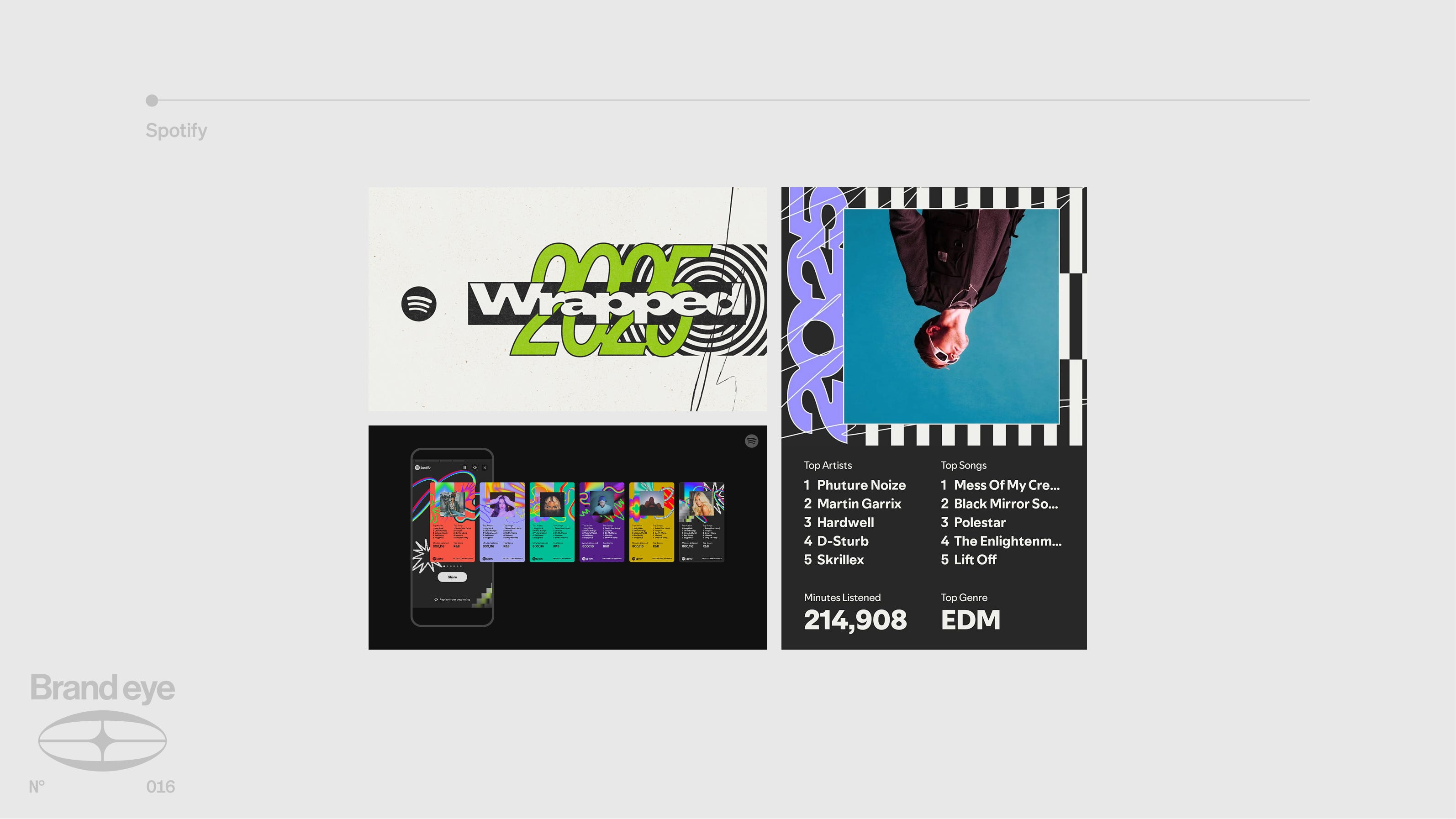
They didn’t force a new ritual onto anyone. They read existing behaviour and reframed it as something only Spotify could own. That’s how a strong ritual is made.