


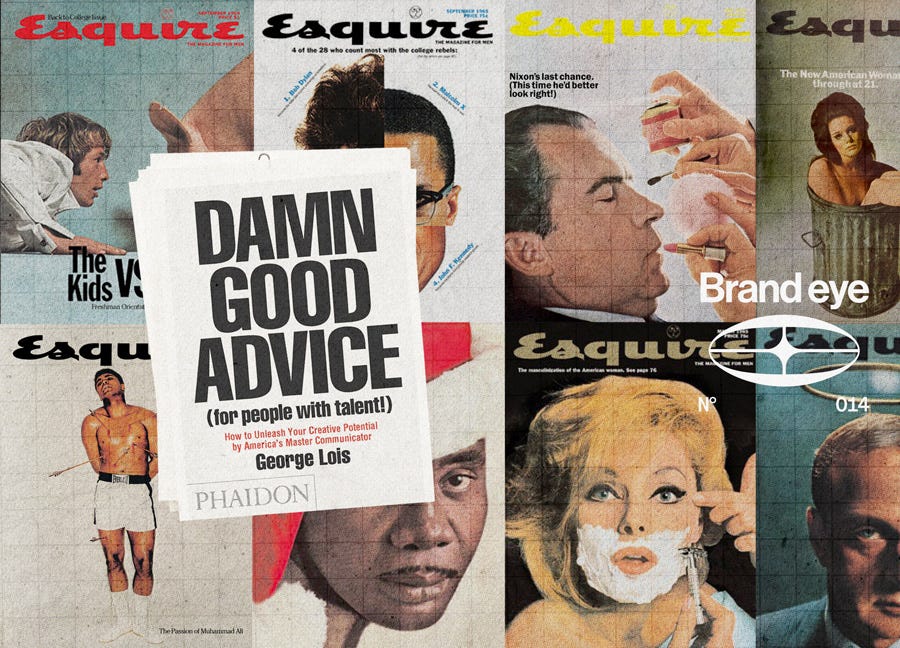
How do you cultivate the skills, sensibilities and discernment that enables you and your collaborators to execute at a high level continuously and over time?
Because a brand and the context it sits in is never static, making something good, something spectacular even, isn’t necessarily enough. You need to understand the principles that facilitate good work, so that you can continue to perform and build successfully not just once, but continuously.
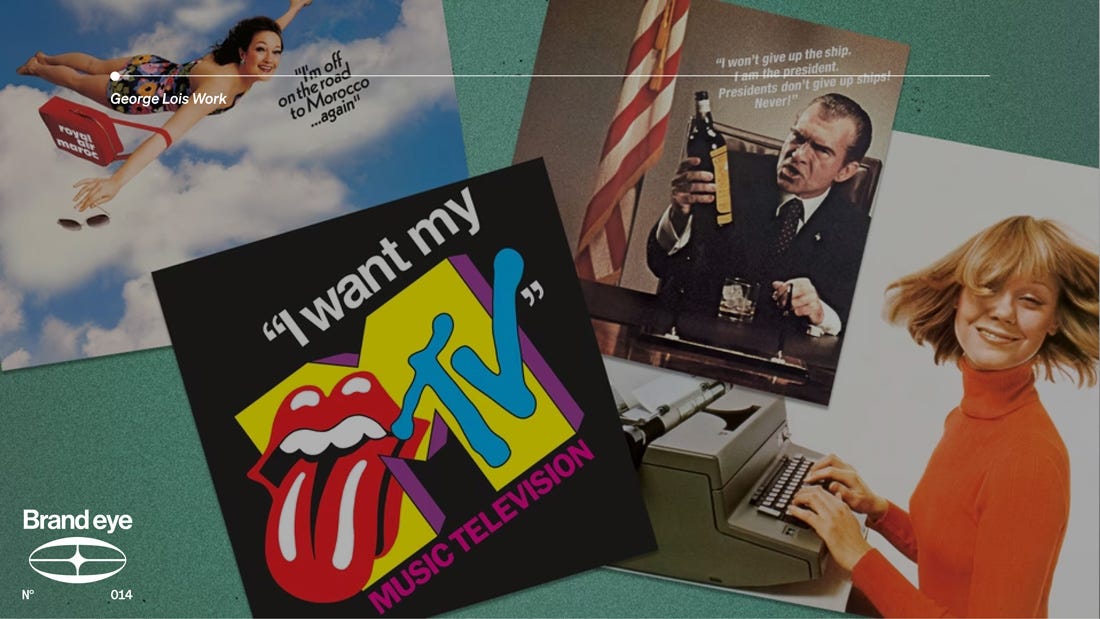
Part of this is a simple matter of cultivating good references and learning from other thinkers, founders and brand builders. One of the absolute premier sources for this type of insight is copywriter and ad-man extraordinaire George Lois.
If you’re not familiar, George Lois is sometimes affectionately referred to by industry peers and admirers as ‘the real life Don Draper’ a testament not only to his iconic status in the world of advertising, but also to his individualistic and unique approach to his craft. His seminal book on the creative and business craft, ‘Damn Good Lessons for People With Talent’ is replete with useful lessons for founders, and it’s exactly the type of resource that we’d recommend when it comes to cultivating a skillset that can sustain and support how you approach brand building.
We’ve distilled some of the book’s core insights into five headline takeaways below for you to start thinking about and elaborate further.
Always chase the Big Idea
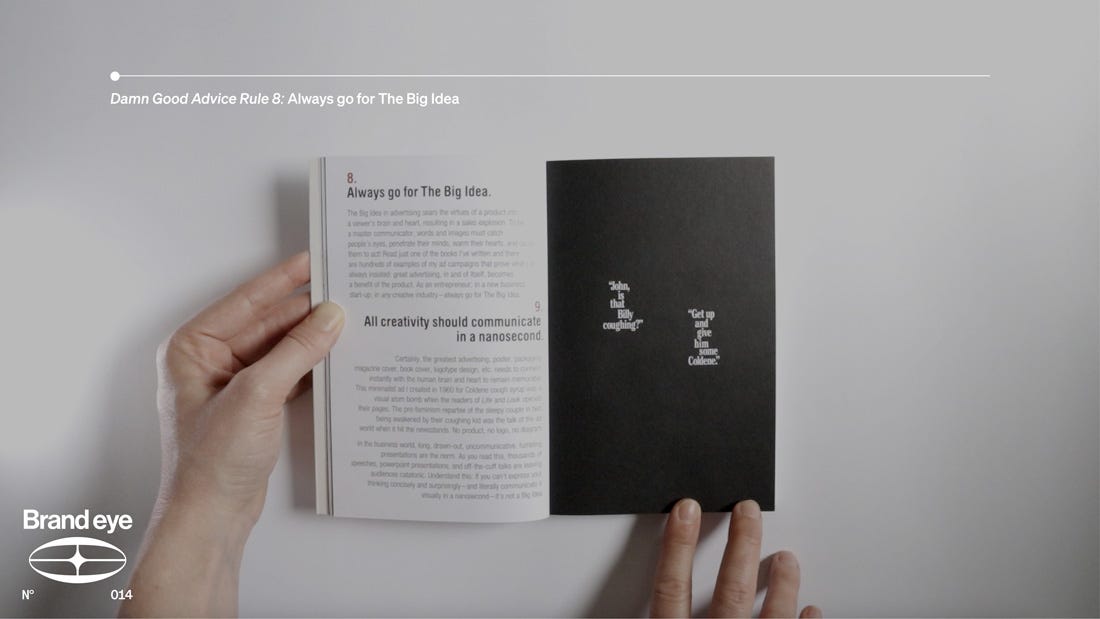
In the 1960’s advertising was fundamentally altered in what was known as the ‘Creative Revolution’. A group of advertising creatives centered in New York City changed their approach to ad design and copywriting to center bold creative concepts, and core to this new philosophy was what they called the ‘Big Idea’.
To put it simply, an ad campaign, and a brand needs a single idea that can captivate audiences. It’s the singularity and scale that matters. Clutter leads to audience confusion, asking people to hold a bouquet of different concepts in their mind at once when they think of your brand makes it difficult to pin down and communicate effectively. Likewise, if you narrow your brand down to one single idea but it’s pedestrian and uninteresting, it won’t stick with people and won’t allow for enough angles of approach to not get boring.
So treat the Big Idea as your grand strategy. A simple statement that captures who you are and what you want to own. Get as tactical as you like underneath it. But the Big Idea that sits above it all has to be crystal clear.
A trend is always a trap
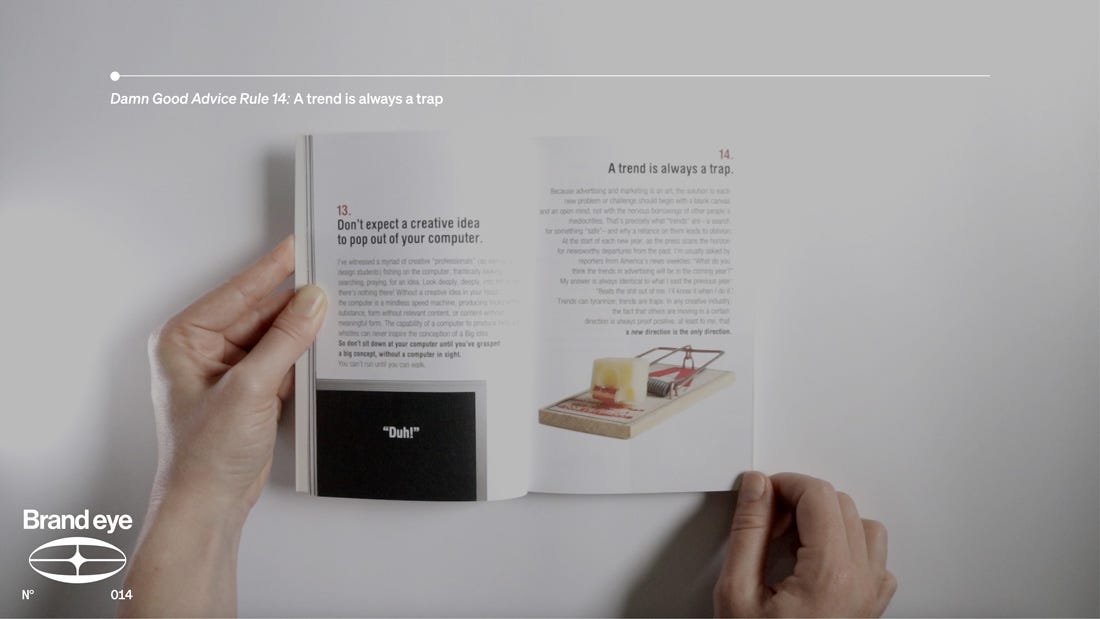
Trend following, definitionally, means unoriginality. By the time a trend has caught on, given the lead time of good work, you’re likely to look not only out of touch but falling behind. And even if you do catch the wave in time, you’re one of many. Instead focus on lasting value. Avoiding trends can either lead to you being an originator of them, in which case you solidify your credentials as an innovator and leader or, you bypass the trend cycle entirely to create something timeless and classic.
Either way you’re not only working more effectively, you’re also communicating confidence in your own direction.
Reject group think
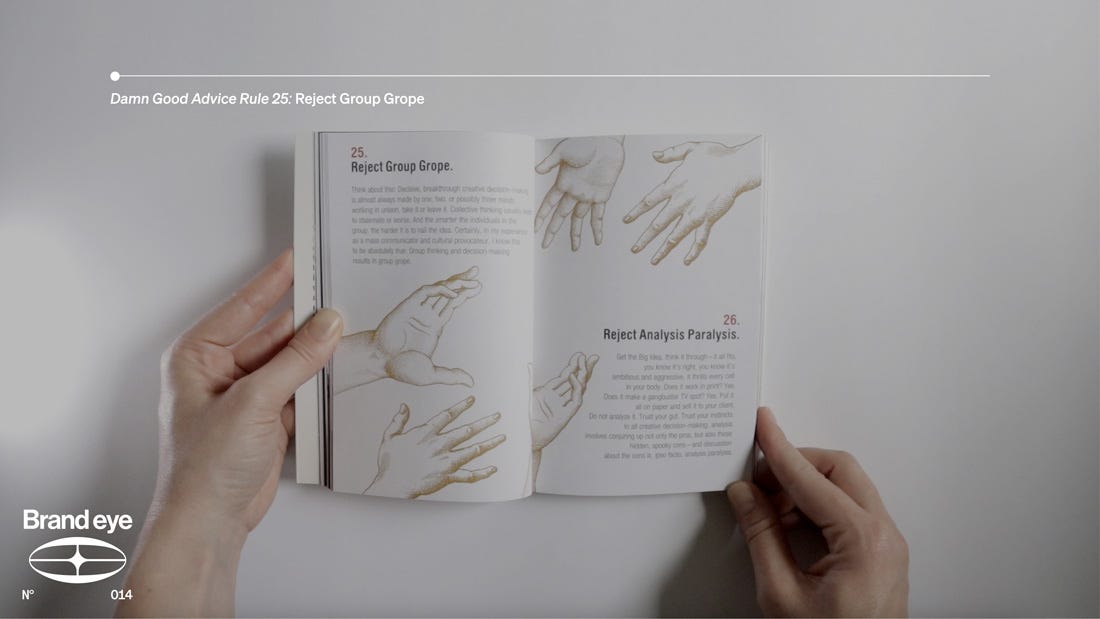
Just because its consensus doesn’t mean its true. Evaluate ideas on their own merit and ask yourself, if nobody else on the team or in this business thought this was a good idea, would you still think its a good idea?
That’s not to say you shouldn’t embrace collaboration or take on board other people’s input into your process, but at the end of the day, you also have to remain dedicated to your vision. A strong brand isn’t built by comittee. Don’t be contrarian for the sake of it, but don’t let your own creativity buckle under the weight of the crowd.
A brilliant product won’t sell itself
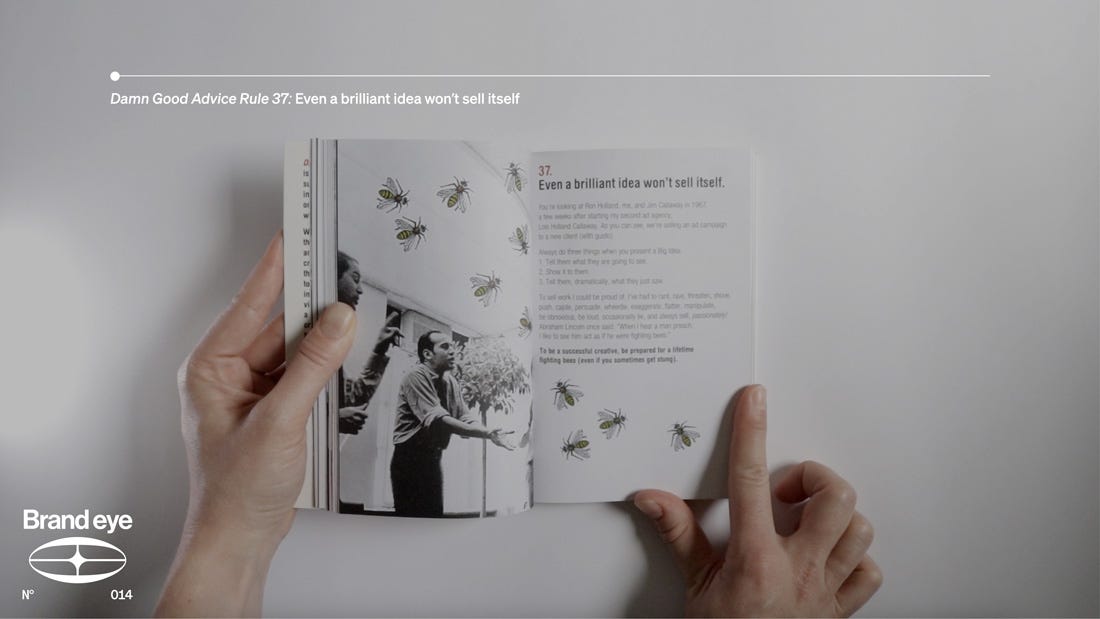
Incumbents have all sorts of ways to distort the market to stop ‘superior’ products from rising automatically to the top. And that’s before getting into things like consumer habits which also stop the ideal model of cream rising to the top from always functioning. So even if you think your product is qualitatively better, you still have think about how to make sure that other people know its better, and feel compelled to try it for themselves so that they can internalise that knowledge beyond marketing.
And this isn’t restricted to selling a product or brand to consumers. You need to convince everyone, because you need everyone to be pulling in the same direction to be successful as a brand. That means new hires, that means investors. Selling your product is about selling the idea behind it as much as anything, and that means you’re going to need to be your own biggest advocate in every room.
Never just ‘be careful’
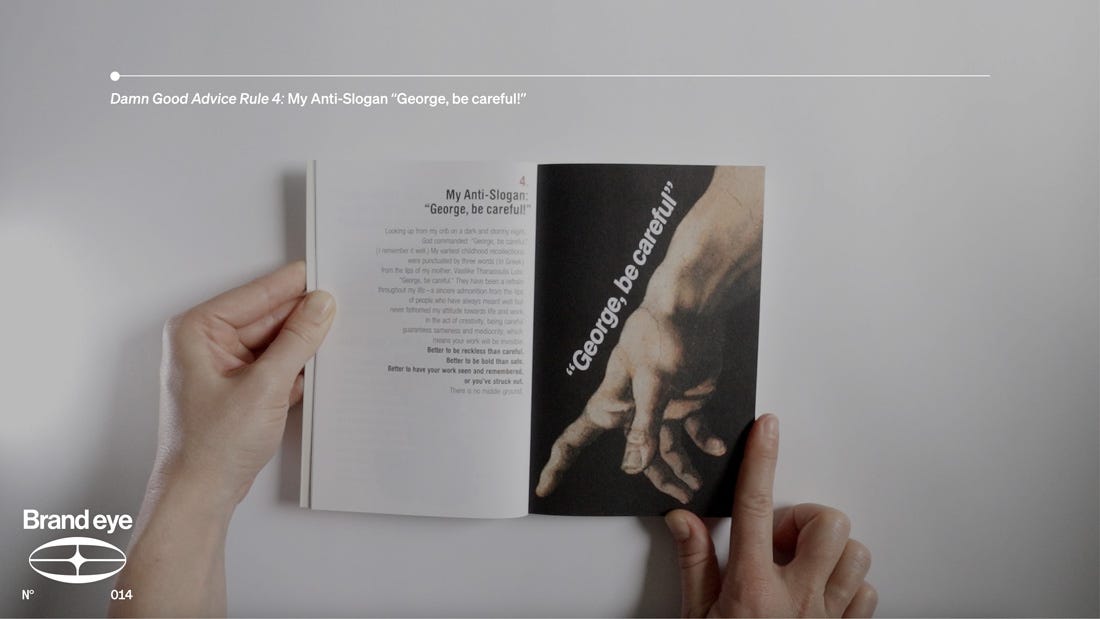
Sticking to what’s been proven effective provides you with a steadily declining amount of creative juice. You need to try different things in order to keep ideas fresh and that might mean taking risks, but that’s also how you’ll uncover new ways of making progress.
Carefulness guarantees sameness. Because carefulness is the default mode for most people when they embark on an inherently risky venture like building a brand.
Being careful is an inherent drawback of being a large brand or corporation. With increased regulation and oversight, as well as exponentially increasing stakeholders, each move becomes more and more cumbersome. Don’t impose those same constraints on your own company. Not needing to be careful is the systemic advantage that small brands have over large ones. Deciding to abandon it for the sake of not taking risks is a self imposed penalty and will hold back your ability to win attention.
Keep Engaging With Influential Thinkers in Your Industry and Beyond
These insights are the ones we think resonate the most with the way we practice craft at Blink Twice, but Lois storied career has generated many more choice morsels of tips and tricks all of which are interesting.
And Lois is far from the only voice in his niche. The world is full of incredible creative minds who have gone out of their way to share not only their work but their process, and their hard earned insights into the craft of creative work. But Lois didn’t write his book just for creatives, he titled it the way he did because he recognised that these are rules applicable to anyone with talent who wants to make something, this is why it’s so useful to founders.
So treat this as an active library, not a hall of fame. The point isn’t to venerate the greats. It’s to absorb what they figured out and put it to work. A brand is the sum of every reference, principle, and instinct you bring into the decisions that build it. Sharpen those inputs, and you sharpen the brand.
Credit George Lois and his book: Damn Good Advice For People With Talent