


What’s The Relationship Between Technology and Craft?
In 1935, Walter Benjamin wrote his essay The Work of Art in the Age of Mechanical Reproduction.
Much like the present moment, the 1930s was a time of geopolitical and technological upheaval, and people were questioning the value of craft in an era when machines were entering the world of the arts. Benjamin’s key insight was that new inventions didn’t imply the decline of art, they simply changed how society perceives value.
In the 70s, this debate resurfaced with the rise of digital technology and computer-aided design. Whether designers using software could be considered creatives in the same way as traditional art department workers was a live-wire issue, one that seems almost absurd now that digital design is everywhere.
As we engage in the current debate about AI’s role in creativity, it’s worth noting this isn’t the first time these questions have been asked. The battle over authenticity, originality, and what Benjamin called ‘aura’ has raged for nearly a hundred years. And one fact has remained constant: there is no substitute for process.
How Has AI Affected Our Aesthetics?
In a recent post on my account @jackofbrands, I shared some insights into the value of craft and the creative process as a branding element in the age of AI. My contention was that as LLMs and generative AI become widespread, their inclination towards the mean of the data on which they’re trained will lead to a proliferation of dominant branding aesthetics, what you might call ‘copycat branding’.
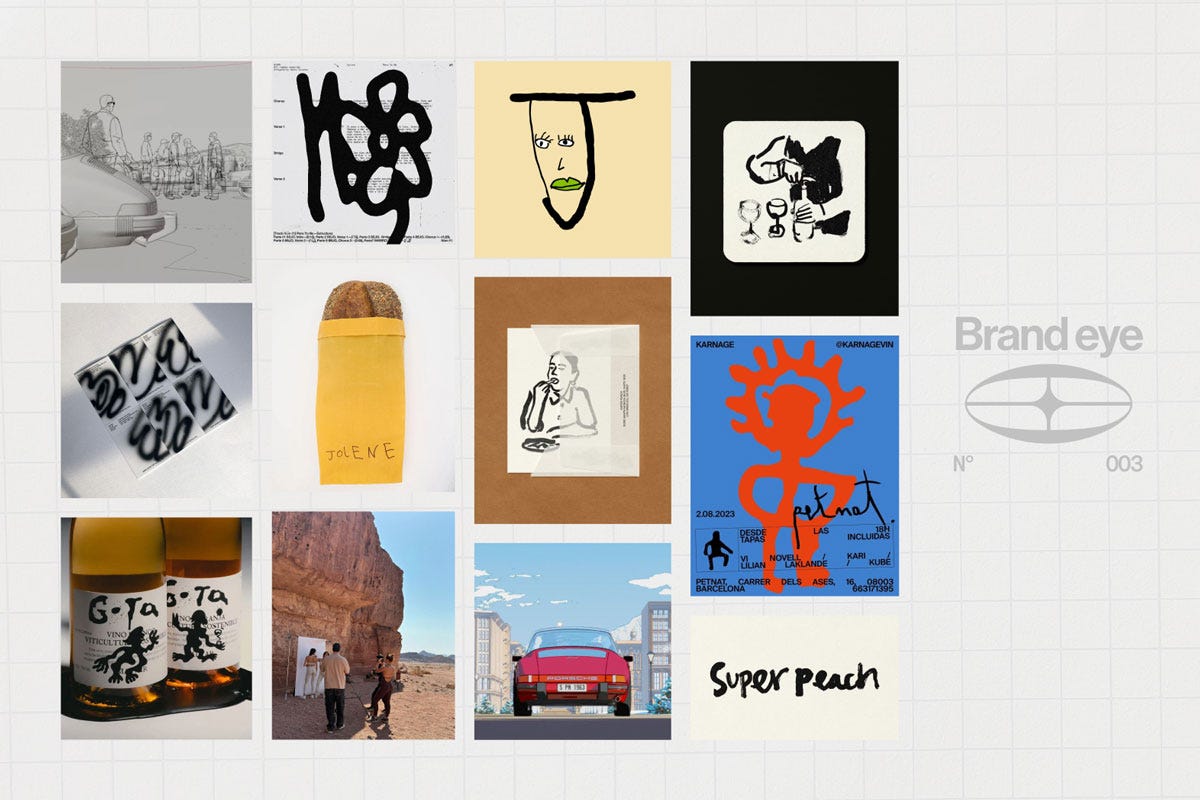
Right now, that AI copycat aesthetic involves simplicity, scaled-back design, and clean digital graphics. As a reaction, we can anticipate the rise of branding that signals genuine human involvement in its creation. Brands that once embraced digital aesthetics to signal how modern they were might now turn toward the analogue. Handwritten fonts, textured graphics, skeuomorphism and hand-drawn logos are becoming more prevalent, signalling a pendulum swing back toward tradition, originality and authenticity.
The response to my post was significant. But commenters raised a fair challenge: if you can feed an AI a sample of your handwritten work and have it imitate that style, what does it matter whether brands embrace handmade aesthetics?
It’s a fair question, but it misses the point. The return to handmade branding isn’t about asserting the superiority of the analogue over the digital, it’s about showing proof-of-work. Audiences value knowing that humans had a hand in what they’re engaging with. You could use AI to imitate these signifiers, but audiences won’t be fooled forever. If there’s no humanity behind the aesthetic, imitating it is simply obfuscation.
That leads to a powerful conclusion. The simplest way to communicate value to consumers who want a human-made product is to open up the process and show them the craft. By showing humans at work, you give audiences proof that your product is genuine.
Proof of Concept: Tailors vs. Designers
This dialectic, where a new technology threatens to upend a craft only for the craftsman’s role to change form rather than disappear, has played out repeatedly throughout history. And the result, perhaps counterintuitively, is often that the value of the craftsman actually skyrockets.
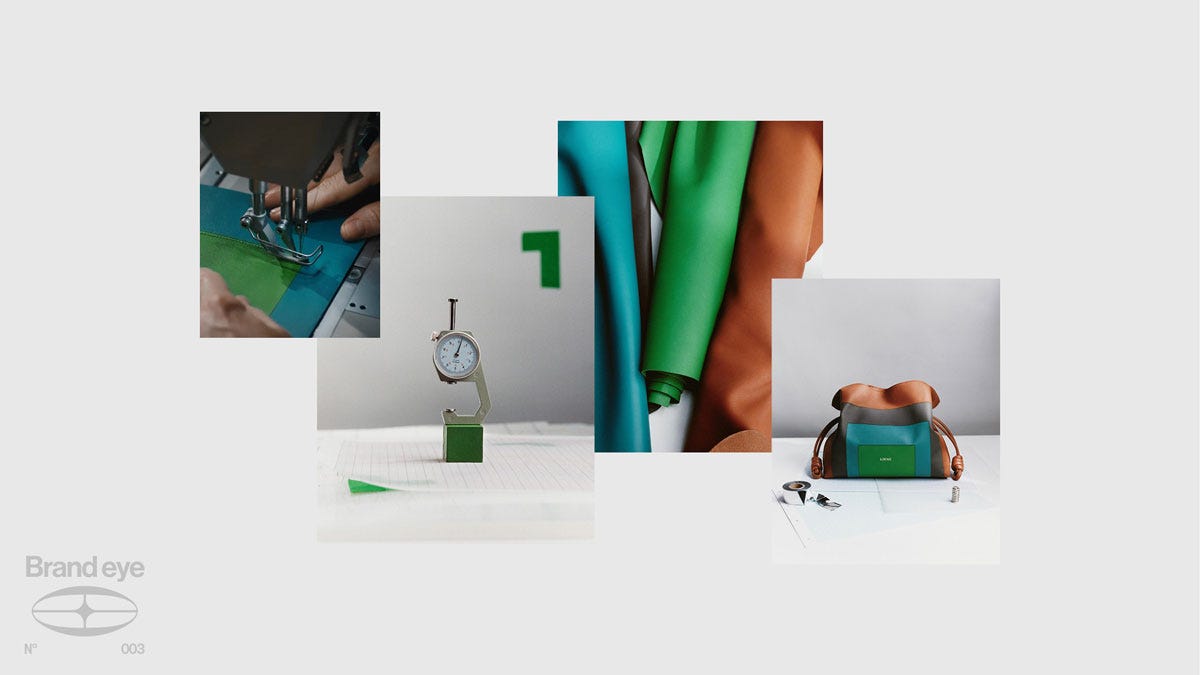
Today, fashion houses like LVMH and Hermès are among the world’s most valuable companies, and brands like Loewe and YSL, which have made the process of craft integral to their messaging, have become some of the most recognisable in the world. But this wasn’t a foregone conclusion. The rise of mass-produced clothing during the 19th century might have spelled the end of traditional tailoring. Instead, what happened was the explosion of a new form of fashion that revolutionised the profession from craftsmanship to design. Now that basic clothing was easily attainable, what people valued was no longer a tailor’s ability to sew, but their aesthetic judgement, creativity and discernment. Couturiers became artists, and clothing became an art form. The source of value shifted from production in a base sense to the intellectual practice of invention, storytelling and creativity.
People Value Process
Maybe AI is different from the assembly line, point taken. But we can still point to almost identical processes happening right now, where emerging technology challenges the value of the artist, and in turn, the artist reaffirms the value of craft.
When Coca-Cola used AI video generation for their 2025 Christmas ad, they faced significant backlash. It wasn’t the use of AI per se that people were reacting to, but the inconsistencies in the final output suggested a lack of care that a handmade product wouldn’t have. The process of artistic creation is one of care. People value the things they build and want them to be as good as possible.
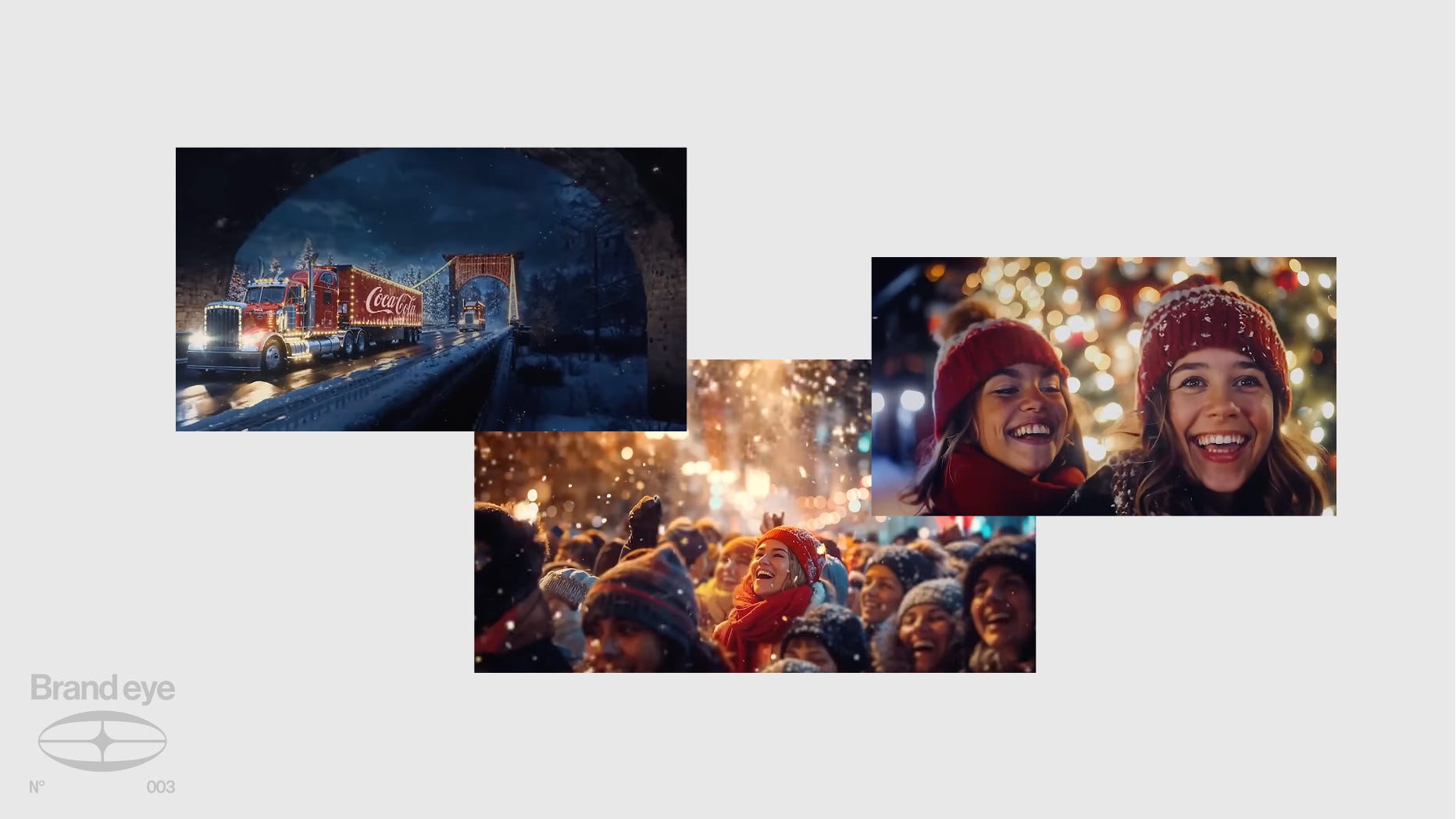
Companies opting out of this process in favour of AI signal to their audiences that they don’t share this sense of the value of creative labour.
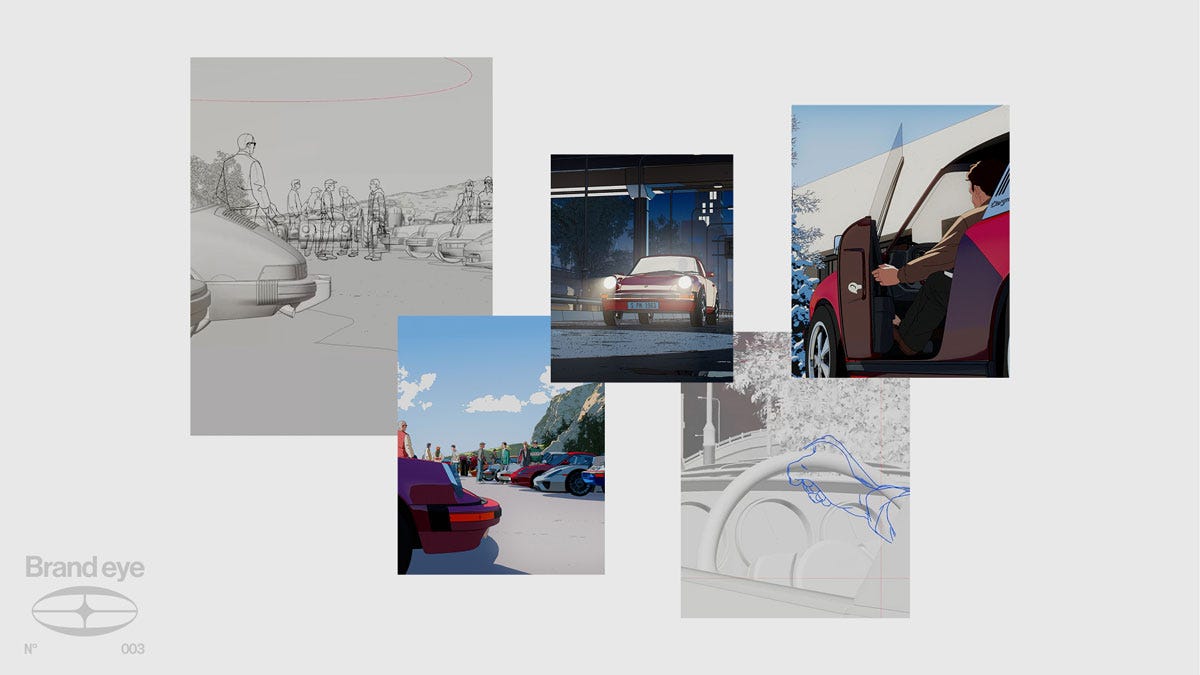
Contrast this with Porsche’s recent animated short, Coded Love Letter, which generated significant praise. Not only did it win over audiences with its aesthetics and dedication to conventional animation techniques, Porsche paired its release with a behind-the-scenes look at the making of the ad. This highlighted the role of humans in their design process and associated the brand with conscious, thoughtful creative choices. The difference in public reception between these two campaigns speaks volumes about the value people still place in human design thinking.
Still unconvinced? Consider that Anthropic and OpenAI, two of the leading global AI companies, chose to use deliberately retro and human-coded elements in their recent ad campaigns. OpenAI shot their campaign on 35mm film. Anthropic used a Madvillain soundtrack, an artist duo known for their 90s aesthetics and their dedication to artistry. Even the companies building AI understand the enduring power of human craft signals.
Brand Mythos: Process Breeds Narrative
And then there’s the other thing AI can’t replicate: narrative.
People want a story they can identify with or aspire to. Brands have long understood how valuable storytelling is to identity, consider the recent wave of corporate origin stories in Hollywood: The Founder, The Social Network, AIR. The story behind the product is often born out of the innately human creative process. False starts, imperfections, the progress from idea to finished product, these aren’t steps to skip, they’re integral.
Think of the enduring power of Jordan being fined for wearing his black and red Jordan I’s, earning both him and the shoe reputations as rebellious, defiant, and iconic. Choosing to flout convention to make a statement, placing values above short-term profit incentives, these are powerfully human impulses. Sometimes seemingly irrational, but that’s precisely where their significance lies.
These stories cannot be replicated by AI. They are myth-making for corporations, and audiences form emotional attachments to them that no generated content can match. The brands that understand this, and lean into the human processes behind their products, are the ones that will build lasting, uncontested value.
Trust the process. It’s the one thing that can’t be faked.