



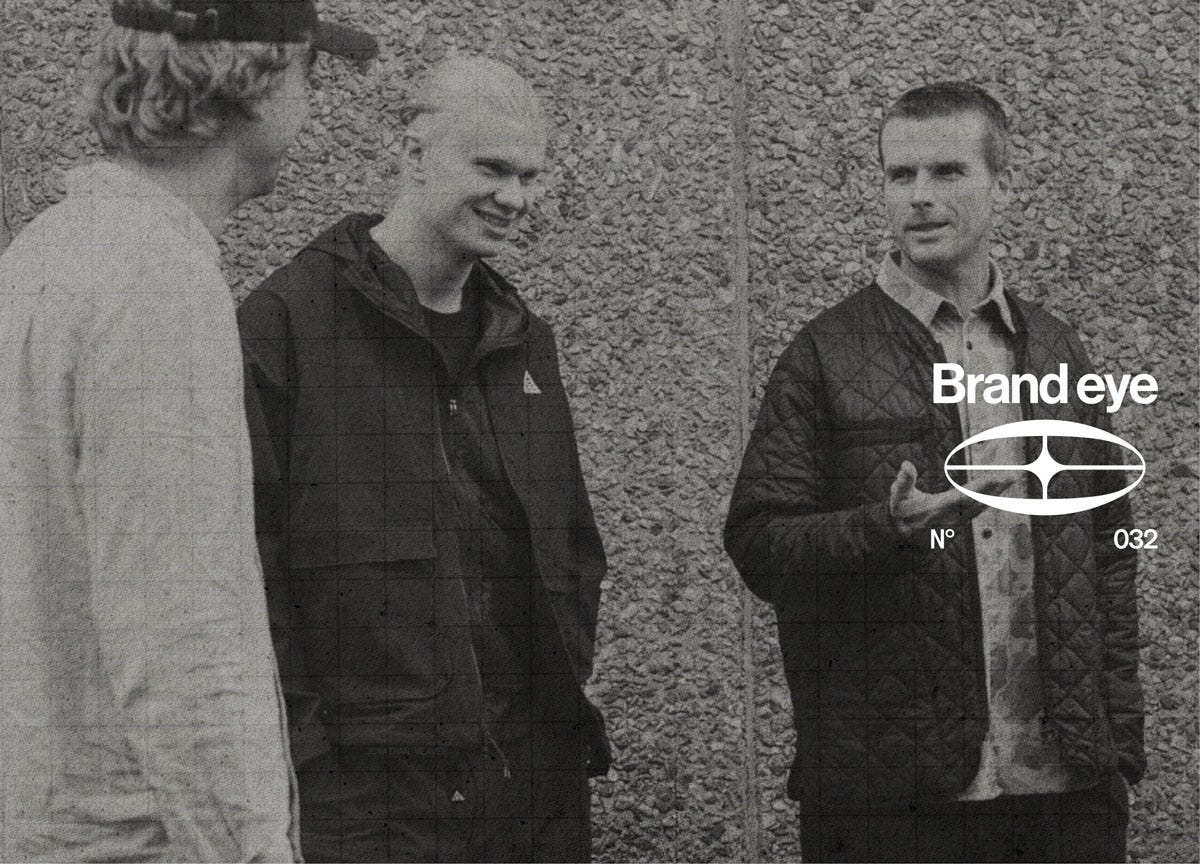
We’ve got a special one this week. Have you ever wondered what it looks like to be inside one of the titans of modern branding/advertising? Or what it’s like to leave the comforting warmth of the corporate world to build something of your own? Well this week we’ve collaborated with Jonathan Weaver, formerly of Nike and now at Db, who knows exactly what both of those experiences are like.
Jonathan spent nearly 11 years at Nike, where he led brand for Nike Snowboarding, helped launch the Metcon and finished on Global Football. Since leaving he’s been at Db, the Norwegian travel gear brand, for nearly six years, and their CMO since 2022. He’s seen the giant from the inside and now runs marketing for a challenger, so we reached out to ask if he’d be willing to share what he’s learnt with our readers.
In part one we cover why Db keeps the circle small, discuss the difference between working at a legacy brand vs. a challenger brand and how even at Nike, money was split by sport, region and athlete, meaning competition inside the brand was as fierce as between different brands.
Jack: Do you ever miss working at a global powerhouse like Nike? The kind of access and budgets that come with that type of work must be wildly different from what you have access to at a challenger like Db?
Jonathan: One of the questions I’m asked most often is what it’s like moving from a huge, established brand like Nike to a smaller challenger like Db. Both have real advantages, but at this stage of my career, I’m enjoying the speed and freedom of building something with a small team at a more agile company.
At Db, an idea can move from an insight to a concept and into production remarkably quickly. Our creative director or I might develop a thought, spend half an hour workshopping it with our CEO to check we’re aligned, and then get on with making it. We deliberately keep the circle small early on, not because other people don’t have valuable input, but because the more hands an idea passes through, the easier it is to dilute what made it interesting in the first place.
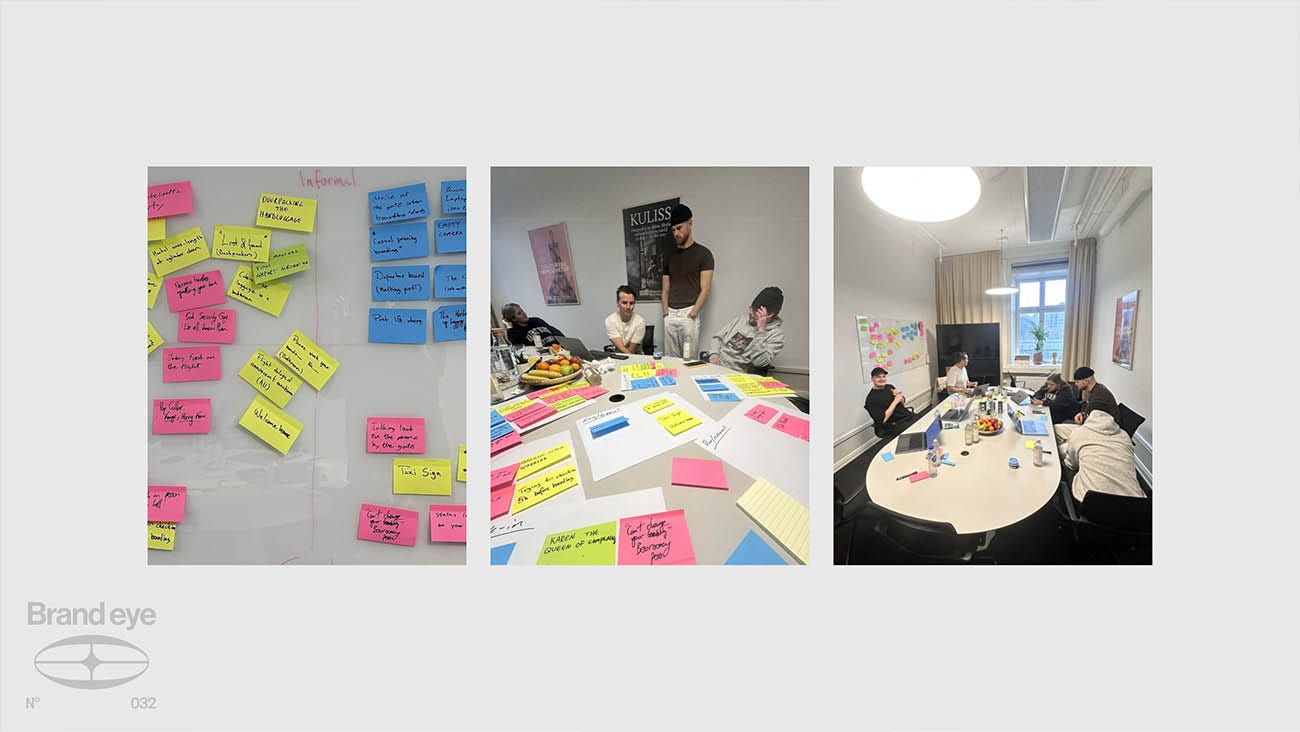
At Nike, the matrix structure provided a different kind of safety. By the time a campaign reached the public, dozens of people would have shaped it. That meant it was unlikely to go terribly wrong. But the flip side is that it was sometimes unlikely to go spectacularly right either. The work that cuts through often starts with a simple observation, a timely cultural moment or a slightly uncomfortable idea, not necessarily a giant budget.
Jack: What are some of your favourite projects that have stemmed from getting to have that degree of individuality in your work?
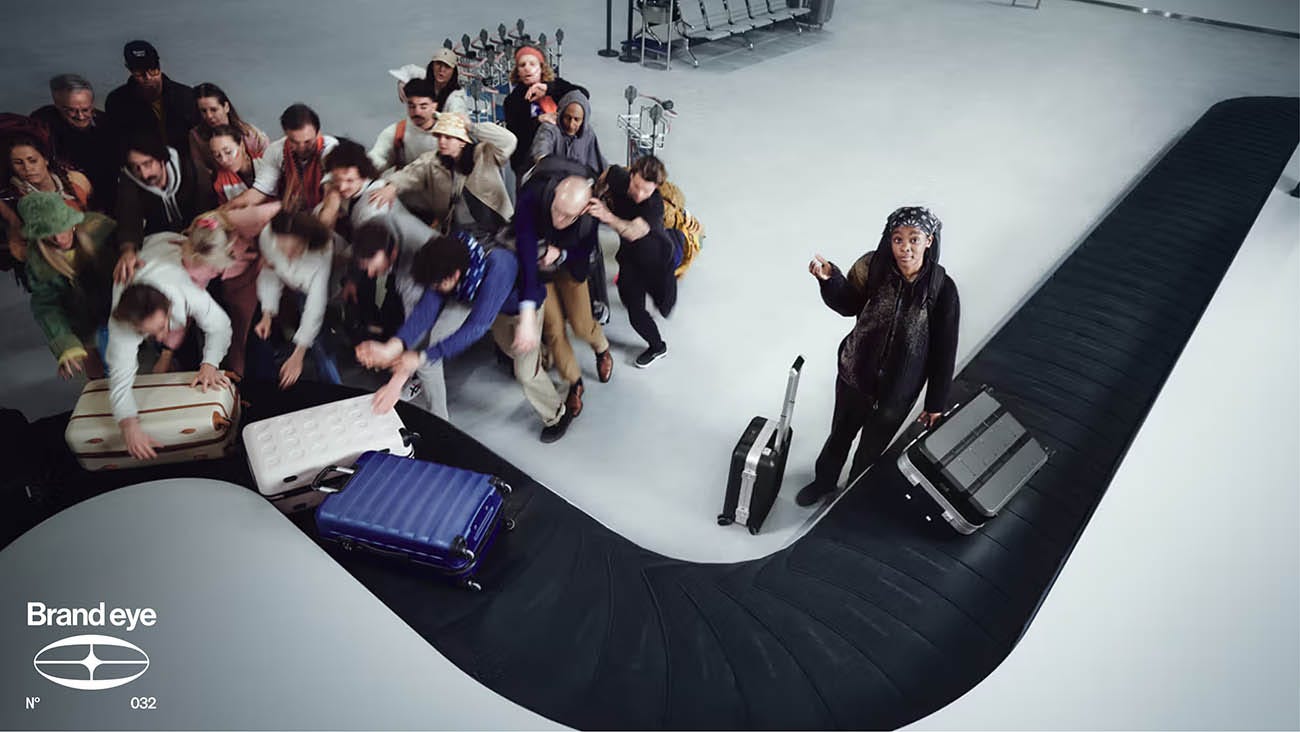
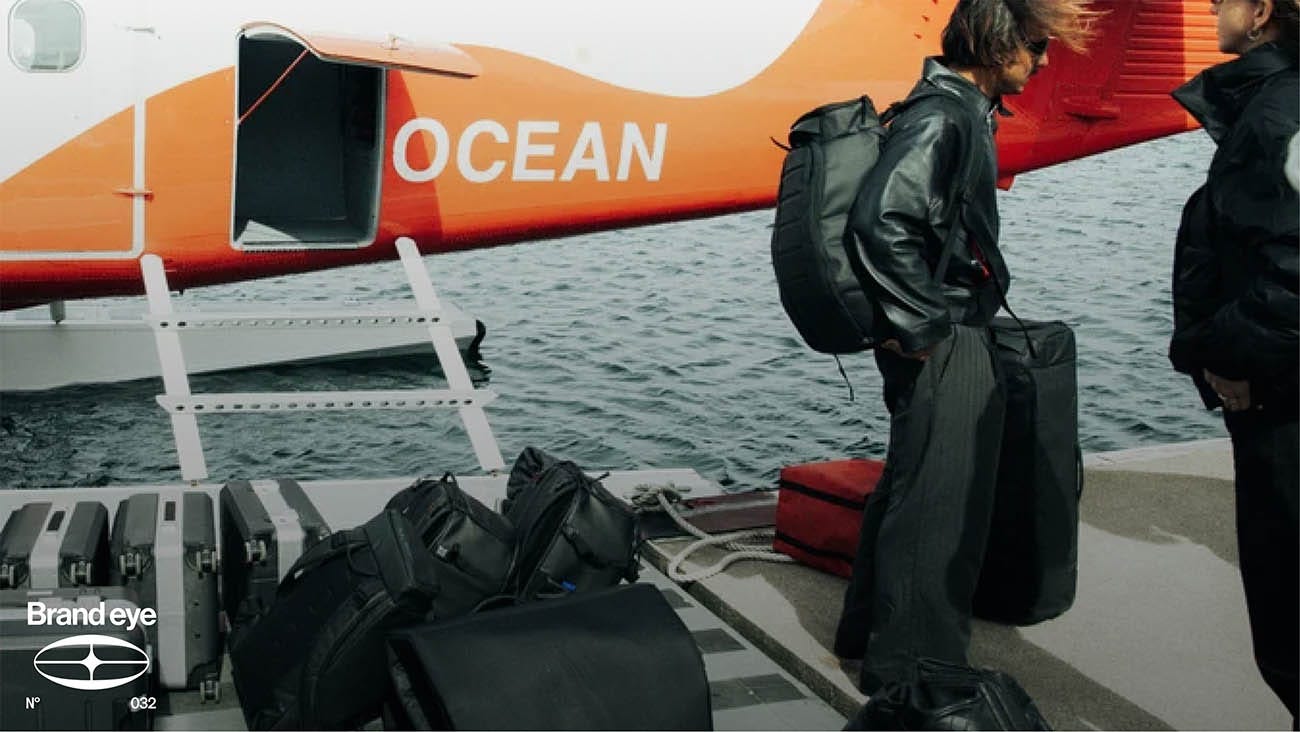
Jonathan: We rented an airport to playfully explore the characters we all encounter while travelling, from the 6 a.m. drinkers to the chronic over-packers to the make-up routine crew to the business consultants. With Wasted Talent, we also made a chaotic European road-trip story involving cheap cars, breakdowns and improvised ways of getting from A to B. The team have also hosted trips to North Cape and Svalbard for our Weigh Lighter collection, which have been beautiful ways to bring the brand to life for media and creators alike. All three felt authentic to a challenger travel brand because we could embrace humour and unpredictability.
Of course, a smaller brand has fewer followers and far less money to amplify its work. But there’s a misconception that every Nike project automatically benefits from Nike’s full global reach. Budgets and channels are divided by sport, region and athlete. When we made the Nike Snowboarding film, or launched the Metcon training shoe, we had meaningful resources, but we were still competing internally with global football, running and basketball for attention, which usually get the lion’s share of budgets to get the content out in the world.
Jack: Do you feel more personally in charge of your creative output at Db?
Jonathan: Another big difference is ownership. At Db, our art director Tova could propose a new visual direction for the Entour collection, build the concept and budget, and go shoot it in Paris. She could take an idea all the way into the world. In a larger organisation, brand and creative teams are often separated: one team identifies the consumer insight and writes the brief, another develops and produces the creative. That model can create excellent work, but it also means many people who say they ‘worked on’ a campaign played only one part in bringing it to life.
I wouldn’t trade my Nike experience. It taught me how to operate in complex organisations, lead teams, communicate ideas and, above all, stay relentlessly focused on the consumer and athlete. Those are invaluable skills. But at a smaller company, you can see the direct impact of your decisions, not just on campaigns, but on margin, membership, product and performance.
My advice is to experience both. A legacy brand teaches you scale and discipline; a challenger teaches you ownership, agility and resourcefulness. Right now, I love working with a curious, ambitious team that can make brave work without spending months navigating internal organisational structures. For me, that ability to turn an idea into something real is hard to beat.
Our conversation with Jonathan highlighted not only that he’s a thoughtful and talented strategist, but confirmed what we already felt and the reason why we wanted to collab with him in the first place. Jonathan is someone who conceptualises branding as a holistic exercise with qualitative impact that, when done well, builds powerful assosciations and creates worlds that people seek out on their own.
As a matter of fact, this precise idea and how it differs from the dominant performance marketing trends of the day are what we dove into with Jonathan in part two of this interview which will drop next Sunday.
In the meantime, be sure to check out his own Substack, The Snowball Effect
Budget inside Nike being split by sport, region and athlete, so the competition inside the brand was as fierce as with other brands, is the detail I wouldn't have guessed from outside. Makes the title make sense.
Jonathan's line about Nike's matrix, "unlikely to go terribly wrong, but sometimes unlikely to go spectacularly right," is the clearest description of committee creative I've read. What I'd add is that small teams now face a new version of the same risk. The circle can stay at three people while the output goes to hundreds of assets, and the dilution comes from volume instead of approvals. Keeping the idea sharp means writing down what made it interesting before it scales, so Tova's Paris direction still reads as Db on the fiftieth asset.