


Welcome to the first edition of the Brand Eye newsletter. In this weekly dispatch you’ll get access to the latest insights into brand building. Brought to you by Jackofbrands and Blink Twice, this is the essential source for actionable insights that can unlock your brand’s unique story and construct an identity that’s built to scale. If you’re a founder, CMO or simply someone who wants to understand the dynamics of branding, subscribe for more.
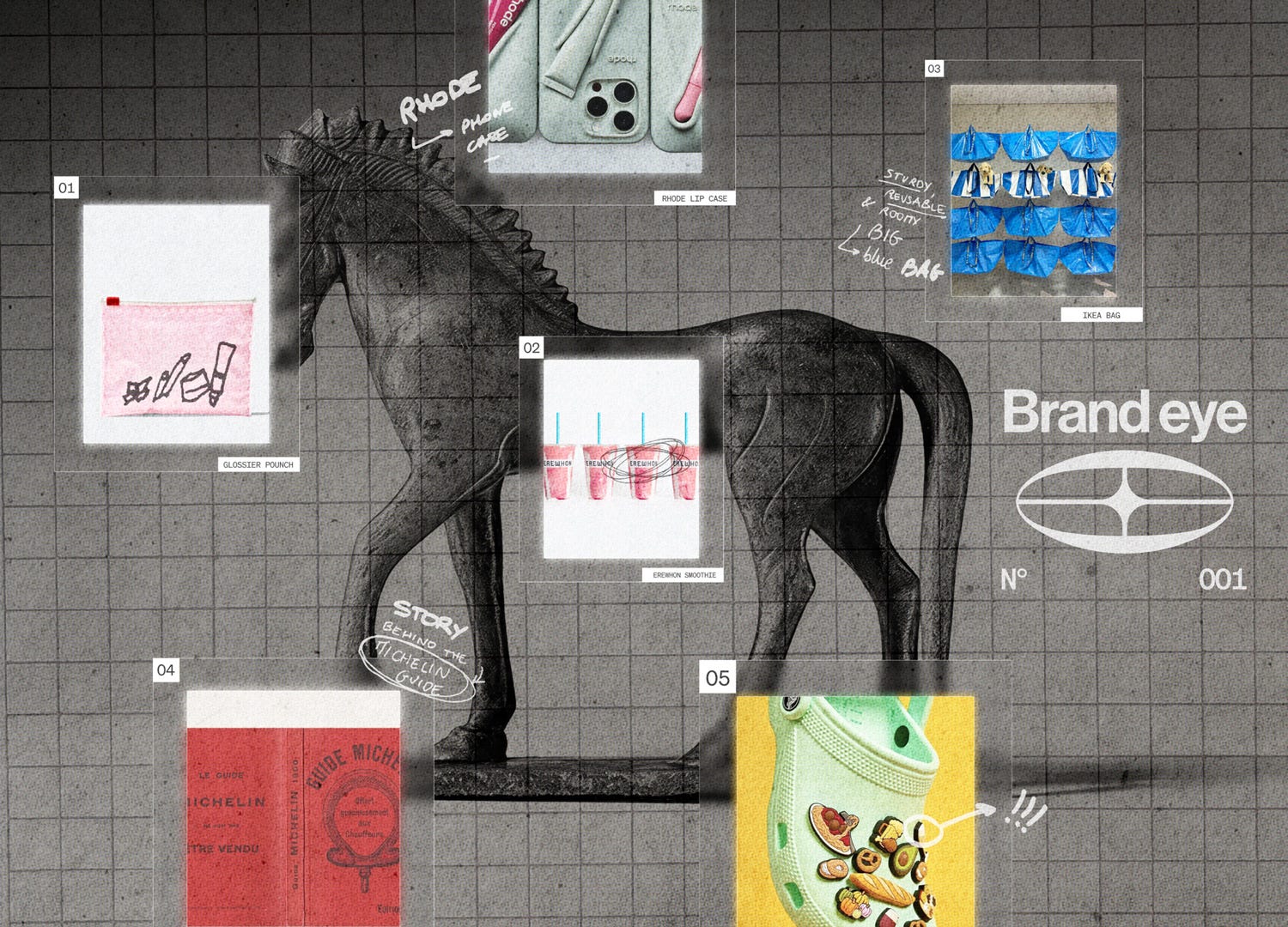
What is a Brand Trojan Horse?
A brand trojan horse is a secondary product which serves as a vehicle for your brand to stay front-of-mind long after the initial purchase or primary interaction.
A successful trojan horse is cheap or free, and of immediate practical use. This low threshold of acquisition lets it infiltrate consumer habits and become ubiquitous.
The goal is to become part of your customer’s daily life. It’s an item they depend on or derive regular use from, subtly reinforcing your brand’s ethos and values.
This marks out the trojan horse from simple swag. It’s not just a deck of cards or a branded mousepad. The point is not to slap a logo on an unrelated product for exposure. The trojan horse should match your primary product in a way that reminds customers of your brand values. Unlike that corporate tote from a conference years ago, the trojan horse is not anonymous and not interchangeable. It’s bespoke.
Examples of Successful Trojan Horses
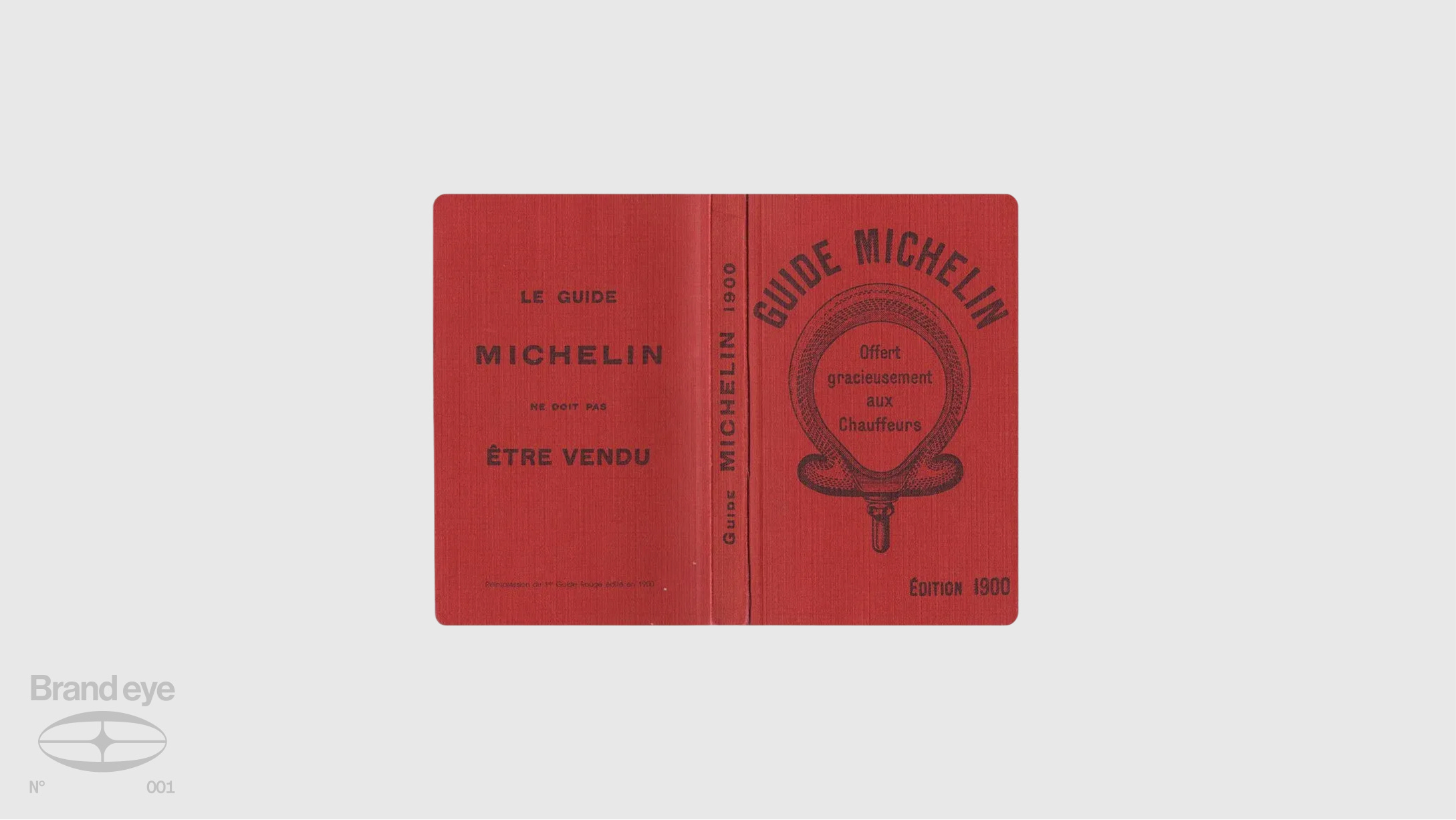
The Michelin Guide: Creating the Market You Want to Serve
The Michelin guide began as a promotional product by the tire company to encourage people to drive around France visiting the nation’s best restaurants. It helped roadtrippers filter the good from the average when stopping to eat.
The guide became so trusted it’s now the premier restaurant rating system in the world, shorthand for haute-cuisine and top tier dining.
But here’s what makes it one of the greatest trojan horses ever: Michelin originally printed more than 10x as many guides as there were cars on the road in France. The guide wasn’t only advertising tires, it was creating the market they intended to serve. Michelin guides made travel by car desirable.
Their idea was simple: the more people drove, the more they wore out tires, the more tires they’d buy.
What Michelin understood was that their product was more than tires. They built their brand on the lifestyle they wanted to associate it with. Michelin could have positioned their tires as the choice of elite speed demons or stalwart quality for long-haul truckers. But they made Michelin synonymous with travel, experiences and refinement. Drivers who used the guide came to associate the tire brand with the pleasure of experiencing good food in distant places, as well as with sound judgement and refined taste.
How often do you think about the brand of tires on your car? The fact that Michelin became a household name associated with premium is testament to the guide’s success.
The IKEA FRAKTA: Strategy Disguised as Utility
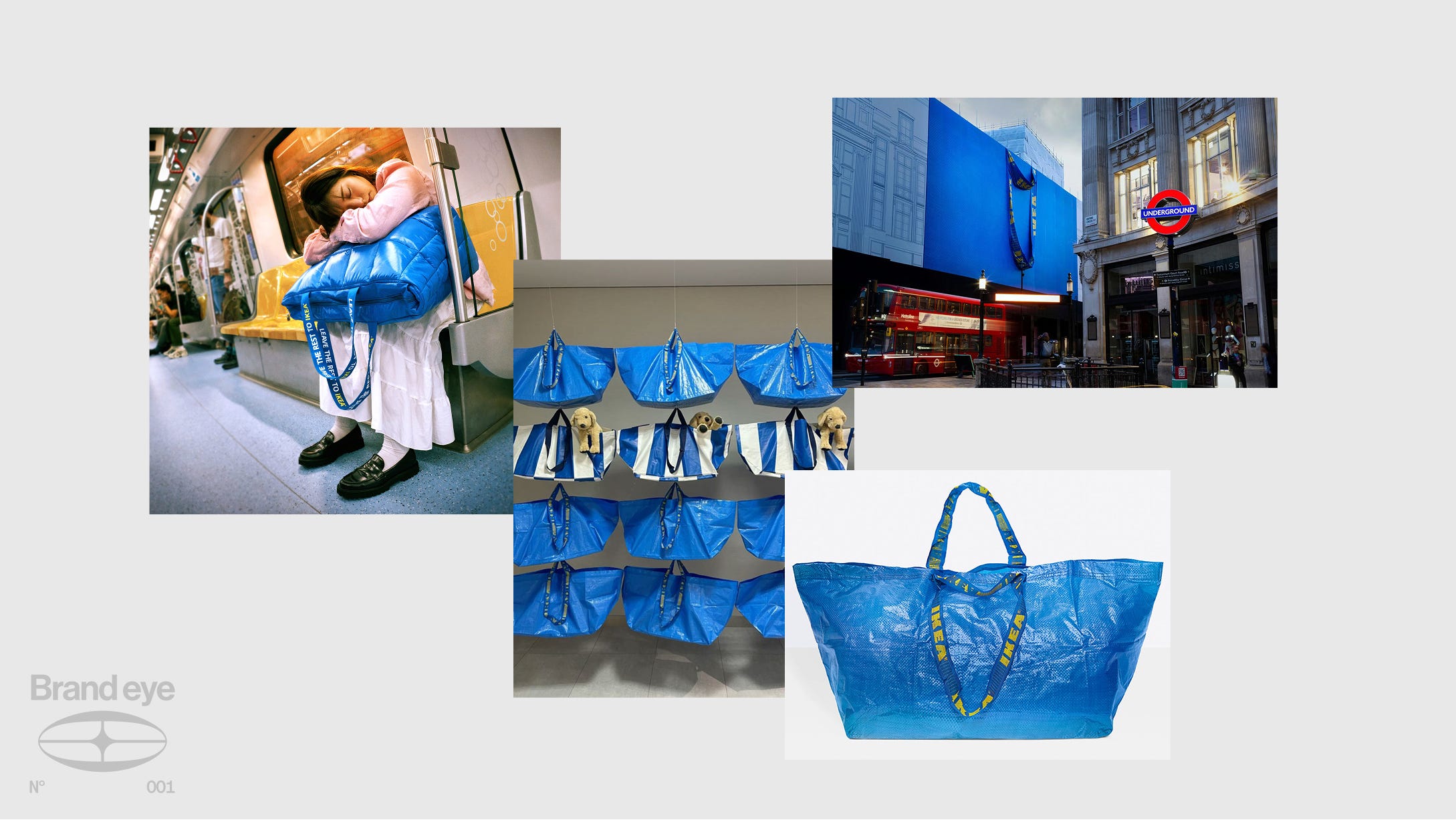
The FRAKTA (Swedish for ‘freight’) sells 600,000 units every week. Its rumoured discontinuation caused a rush to buy up existing units. It’s so beloved it has become a fashion accessory. It’s IKEA’s instantly recognisable blue carrier bag that lets you conveniently get from checkout to your car with the dozens of small items you didn’t intend to buy.
That’s why IKEA invented the FRAKTA. Noticing customers were reluctant to buy additional items near checkout due to the inconvenience of carrying them, IKEA designed the sturdy, reusable FRAKTA to supercharge impulse buying. But the secondary effect was even greater.
Thanks to its versatility, utility and durability, it became a staple for all sorts of tasks. Doing laundry? Moving house? Cluttered car boot? Gardening? The FRAKTA handles it all.
The low price point combined with quality design made it inescapable. This is where the branding genius emerges. A truly successful trojan horse reifies your brand ethos.
The FRAKTA is a perfect embodied example of IKEA’s ideals. It’s convenient, multi-purpose, reusable, cheap. The iconic blue serves as a constant subliminal reminder, but it also solidifies the entanglement of these concepts with IKEA itself.
The Red Bulletin: Brand as Lifestyle
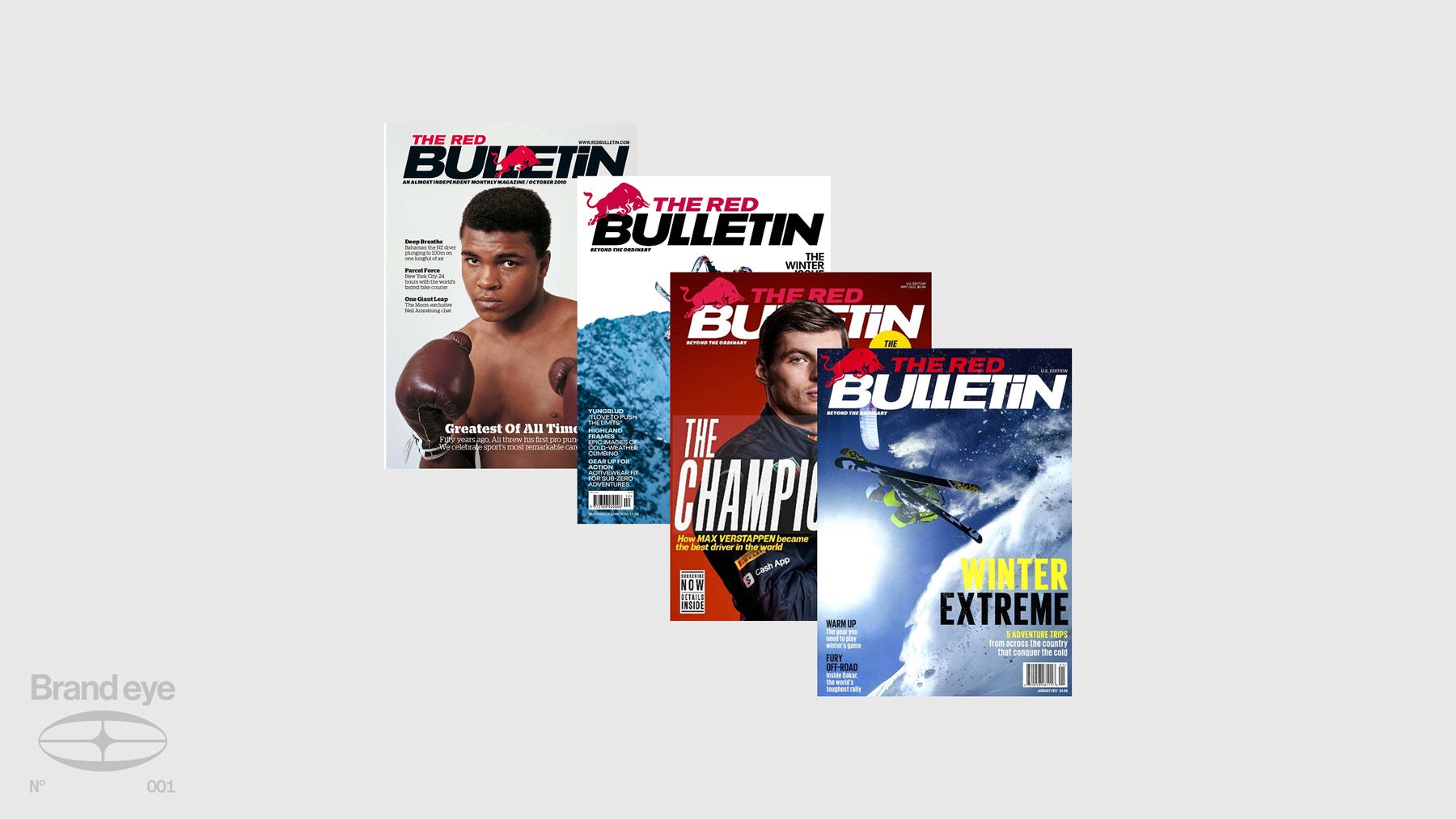
It’s only fitting to include Red Bull's lifestyle magazine the Red Bulletin on our list of trojan horse branding, given that the Austrian energy drink brand have been one of the most successful branding stories of the past half century century.
Red Bull’s success lays in the fact that from a initial core product offering of just energy drinks, they’ve expanded the brand to encompass an entire lifestyle.
From their football teams in Leipzig, Salzburg, New York and beyond to their Formula 1 racing team, Red Bull have mastered the art of breaking into industries that have existing audiences and leveraging those industries to get the Red Bull brand infront of more people.
All of Red Bull’s many endeavours from their aforementioned sports plays to sponsoring Felix Baumgartner’s famous jump from space, take on physical form as the trojan horse of the Red Bulletin.
Red Bull is vertically integrating by making a trojan horse product which capitalizes on the interest they have already generated via their other marketing endeavours. If you want the inside track on Red Bull Racing, Red Bull Leipzig’s Bundesliga efforts or anything else going on in the extended Red Bull universe? That’s where the Red Bulletin comes in. But beyond being simply an advertising leaflet with extra steps, the Red Bulletin provides value in and of itself by prioritising high level reporting and writing by professional journalists, not just copywriters as well as incorporating stories and coverage outside of the Red Bull system.
The Blueprint: How to Create Your Own Trojan Horse
1. Strategic Alignment: Make It Bespoke to Your Brand.
Before making a brand trojan horse, you need a clear understanding of the concepts you want to associate with your brand.
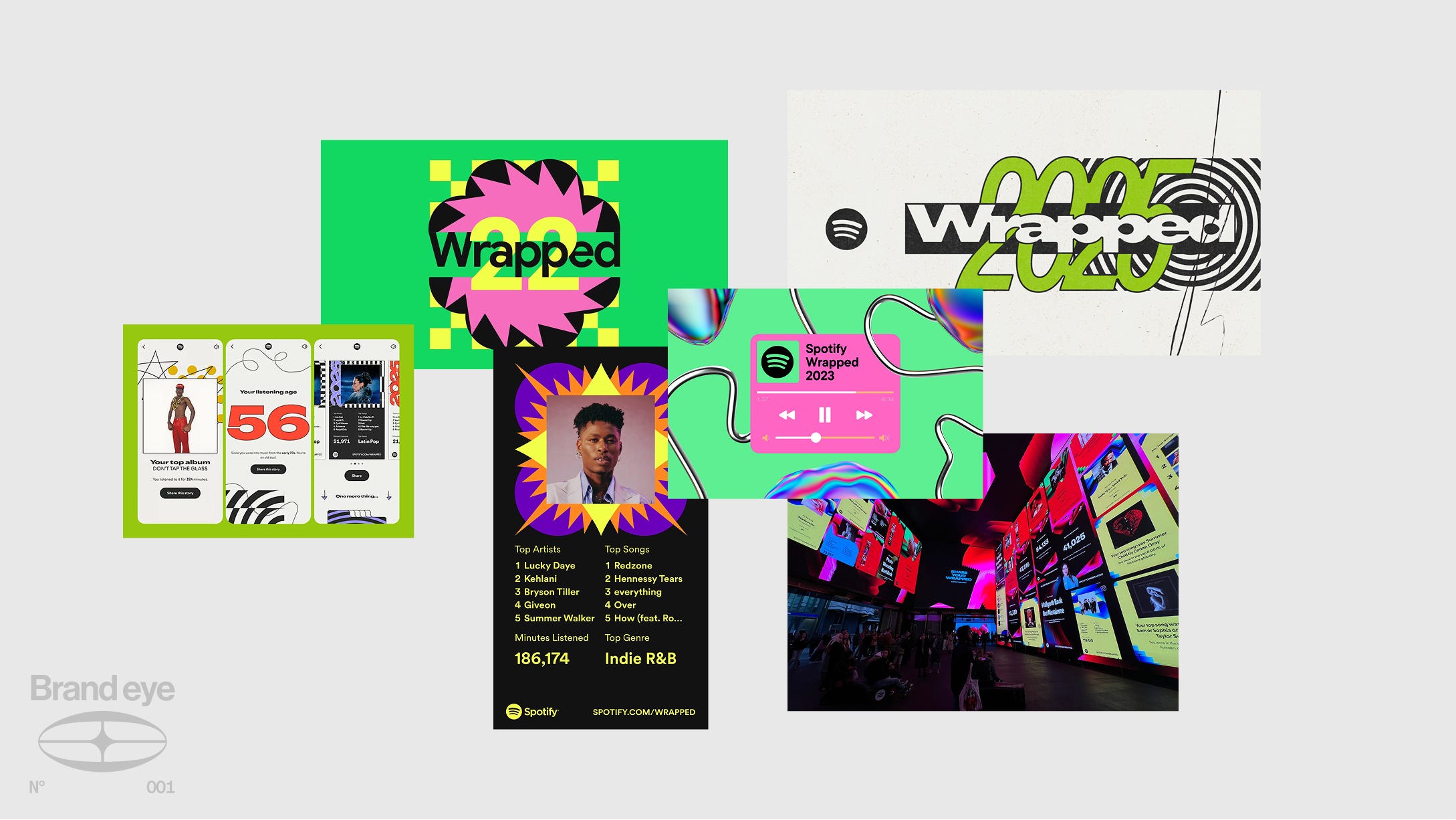
Consider maybe the most current example: Spotify’s annual wrapped campaign. How many brands have tried to copy this concept and had it fall flat? So much so that the idea of every brand having a ‘wrapped’ was recently parodied on SNL.
Wrapped succeeds for Spotify because it matches their values. It leverages data analytics to showcase that Spotify represents a tech-forward and modern way to interact with recorded music, and it leverages virality because music is deeply tied to identity and sharing among peers.
2. Visual Dominance: Make It Conspicuous.
Make the trojan horse impossible to ignore. The IKEA bag is bright primary blue. Wrapped is inherently viral and shareable. The rhode phone case is designed to be on your person and in photos. These items are highly visible beyond just the immediate user, multiplying exposure for your brand.
3. Low-Friction Utility: Make Its Value Obvious.
Do I need this? Is it worth the money? These are questions you don’t want people asking about your trojan horse. The point is to lower the threshold of acquisition and use, so your brand can piggyback off it. Your product needs an immediate value proposition. It shouldn’t require much selling on its own.
In order to make it stick you want it to be not only cheap (this can be in comparison to your primary offers) but immediately practical, communicating its own value in a way that needs no explanation.
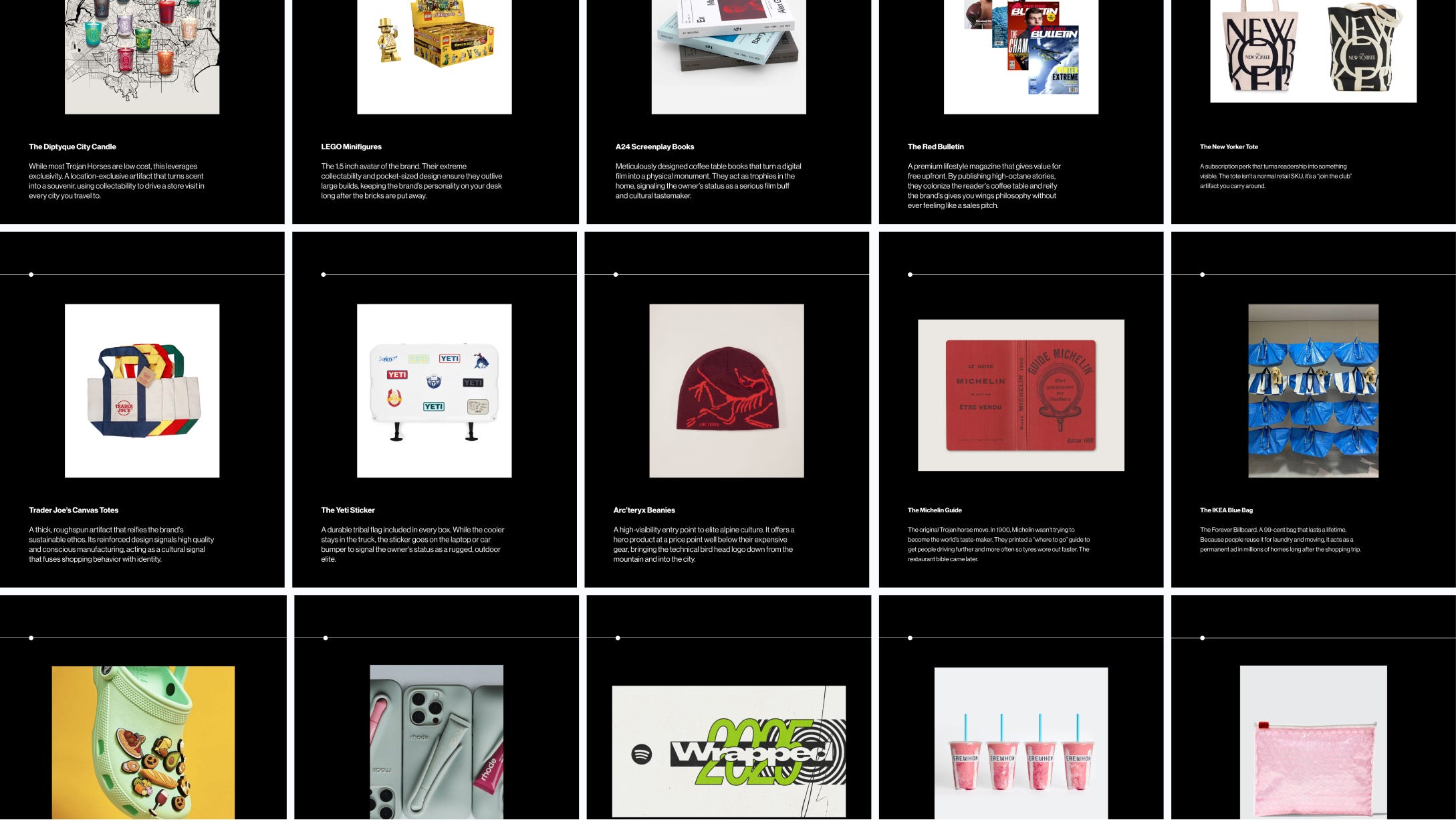
Think about the examples: carrier bags, phone cases and, before navigation apps, a drivers map. If you can identify a product category which is cheap, common and used frequently, and if you can make a distinctive version of it, you’re halfway there.
Until next week,
Jack