


Editorial Note: This week’s newsletter is a two-parter. We’ll be starting off this week with the theory component, and following up next week with how to operationalise the insights from part one.
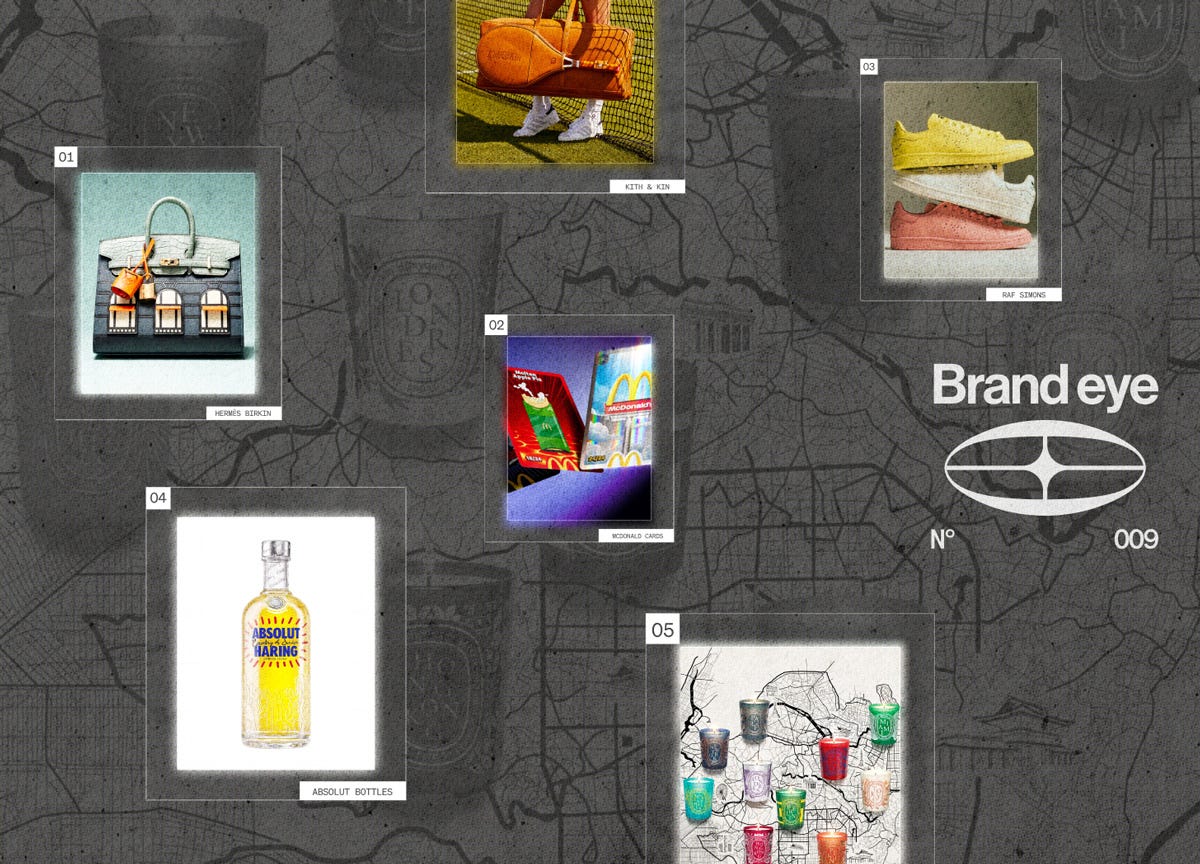
University halls with empty bottles of liquor lined up like trophies in the windowsill, your mate’s immaculate collection of half-and-half matchday scarves, or those people who inexplicably have a complete set of old encyclopaedias on a bookshelf that you have a sneaking suspicion nobody has ever opened, much less read.
Collecting is an incredibly common human habit, and one which a lot of people don’t even know they’re engaging in. But once you start thinking about it, you’ll notice that just about everyone is collecting. Billionaires collect fine art, just like kids on the playground collect Pokémon cards, or book lovers collect first editions.
Collecting transcends income brackets, age brackets, genders, languages, cultures and borders. It turns consumers into curators, and brand loyalty into identity.
Precisely for those reasons, brands can have significant success leveraging this innate behavioural pattern to build lasting emotional bonds with their audiences.
And, beyond simply being a marketing tactic, it also acts as a high-signal direct link to consumers. If people want to collect your things, it means you’ve successfully built a brand that people want to engage with beyond the purely transactional. You’ve transcended commodity status and forged a connection that is not strictly based on cost and utility.
These next two newsletters are all about how we can instrumentalise that insight into turning your brand into one people don’t just buy, but hold on to. That’s a fundamentally different relationship.
How Collectibles Fit Into Brand World Building
Let’s discuss where a collectible strategy sits within the broader frameworks of brand building which we’ve established in previous posts. Although collectibles are a potent tool, they don’t constitute a brand strategy in and of themselves, and will therefore need to exist within a broader approach.
One easy way to do this is to use our Three Brand World Building Pillars approach.
Collectibles belong pretty much entirely within the System pillar. They’re the repeatable architecture that gives your community a reason to keep engaging. But these pillars need to be working in tandem. Which means that if collectibles are a System, they need an equivalent Signal and Story. Without a Story, it’s meaningless merch. Without a Signal, it’s invisible.
Your Story should answer the question of what makes your brand something people want an artefact of. Your Signal should answer how someone might recognise a collectible as uniquely yours from across a room without seeing a logo. And the System should answer what the repeatable structure that gives people a reason to come back is.
This leaves one final element: can it be easily copied? If the answer is yes, then you’re not yet in blue ocean territory. If no, then you’re only competing with yourself, which is where you want to be.
The Five Psychological Drivers Of Collectibility
1. Completionism
Humans have an instinctive drive to complete sets. When there’s an incomplete collection it creates a low-level cognitive tension that can only be resolved by acquiring the missing piece. This creates a self-perpetuating loop of engagement when brands present a product as only one piece of a whole set.
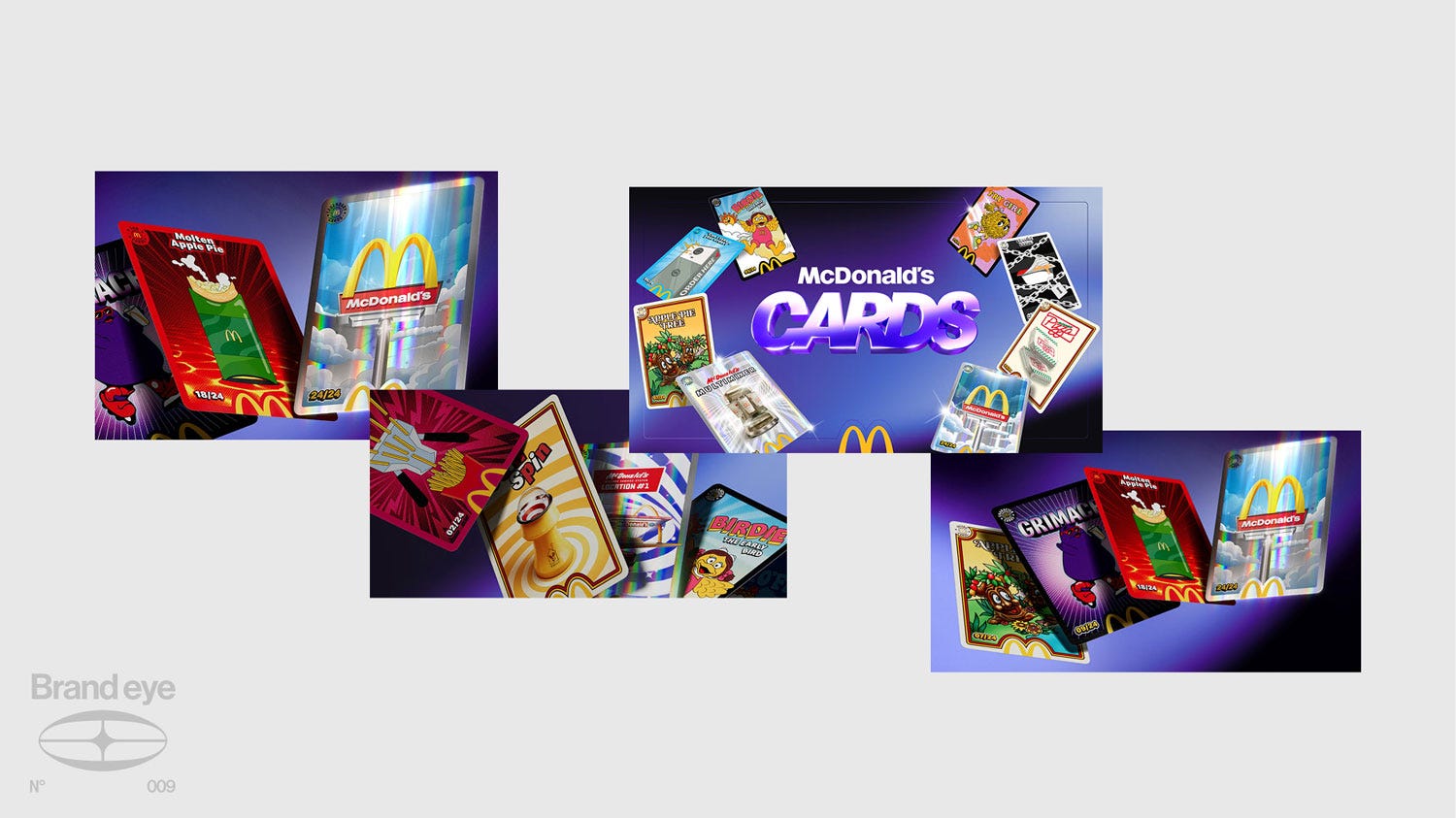
McDonald’s has understood this for decades. Their Happy Meal toys pioneered the ‘collect all 8’ approach for a mass market. But the brand just took this thinking much further with the launch of CARDS, a nationwide promotion built around 24 hand-illustrated collectible cards across four categories, distributed through a dedicated CARDS Meal. The set structure shows you the edges of the full collection, subset categories create smaller completion goals within the larger one, and a rare 25th gold Ronald McDonald card adds treasure-hunt stakes. It’s the Happy Meal logic scaled up and made adult.
Lego employs a similar tactic with their minifigure series, marketing the complete set but selling its constituent components separately. The notion of incompleteness is built into the sales format and the promise of that complete set is advertised from the outset.
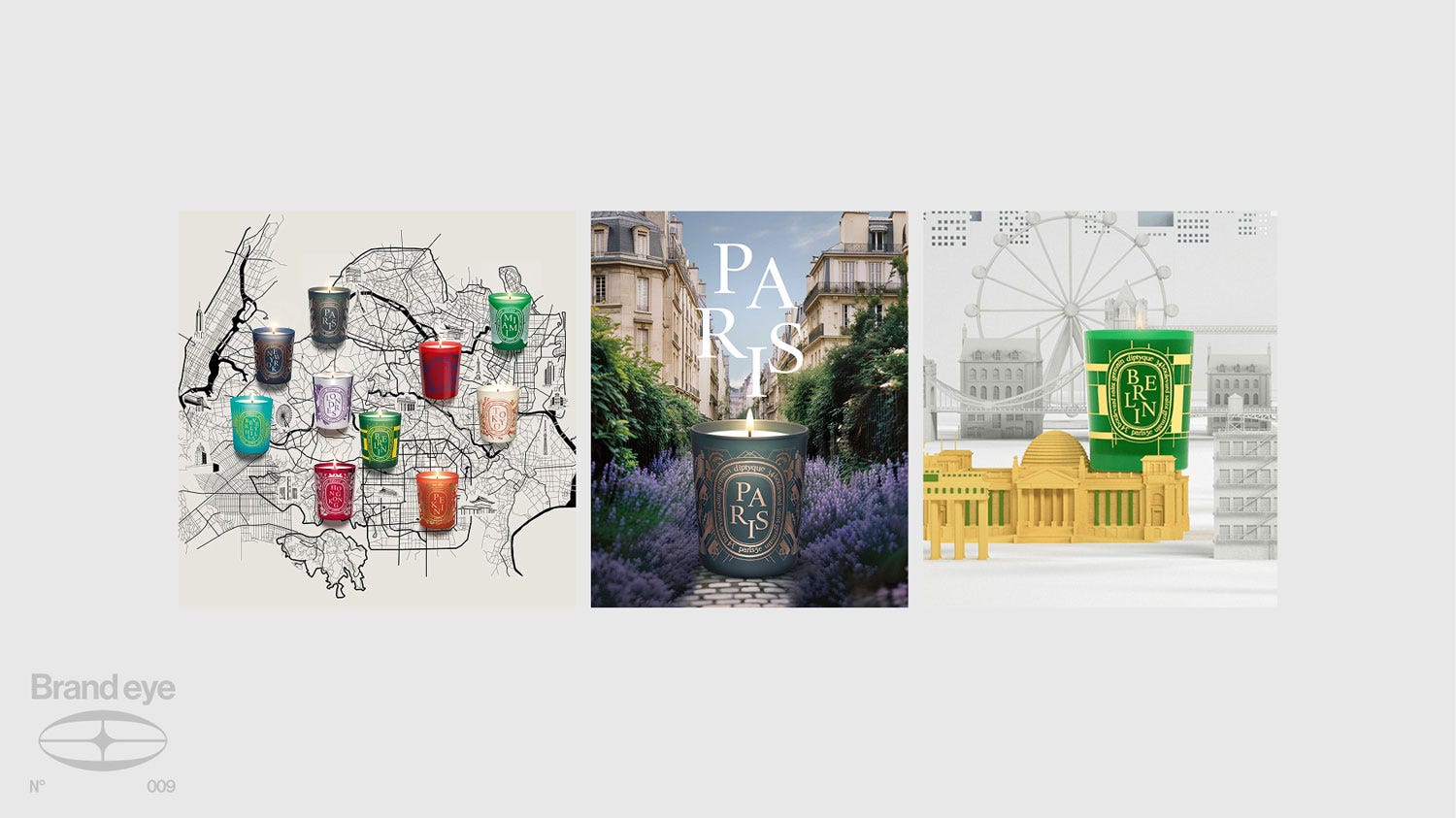
So is this category just for toys and fast food? Nope. Diptyque is a masterclass in how to market artisanality and craft. There’s nothing ‘childish’ about their brand, but their city candles make use of the same collectibility tactics as Lego and McDonald’s. They further introduce an element of geographic completionism, enmeshing the brand with the class and cosmopolitanism of the cities that get their own special edition candles and serving as proof-of-work for customers who value their worldliness and now associate that with Diptyque as a brand.
Completionism only works when there’s a system people can see the edges of. If your brand world is defined clearly enough that people can picture what the ‘full set’ looks like, you’ve built a system that generates its own demand.
2. Artificial Scarcity
Perceived rarity elevates perceived value. But there’s a meaningful distinction between manufactured hype (limited drops for the sake of it) and scarcity that’s rooted in the brand’s actual world.
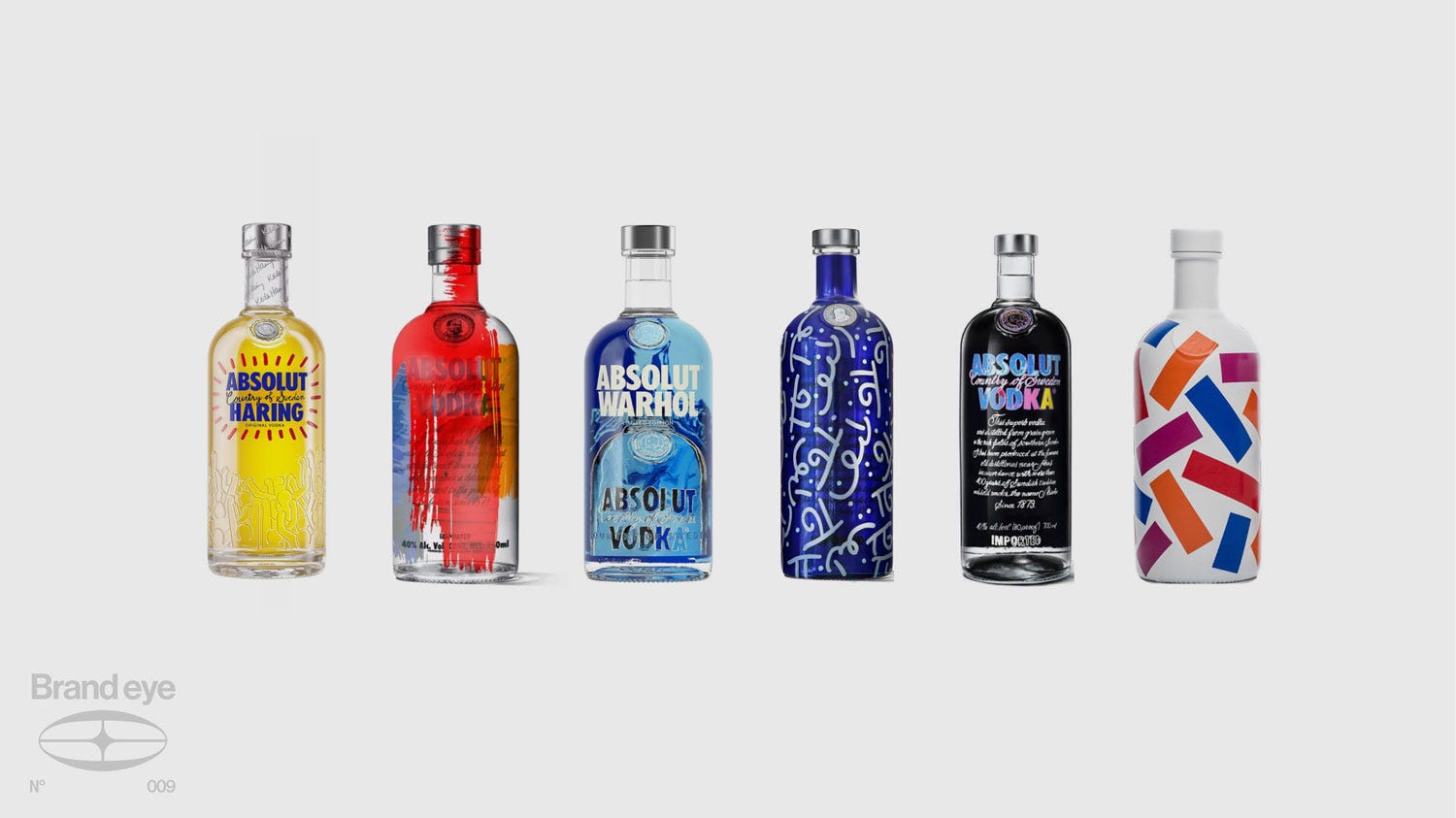
Absolut stopped selling heritage and started selling contemporary art. Their limited-edition artist bottles turn minimalist packaging into a canvas for modern artists. They turned the packaging into the collectible. But the quality of these designs, and the fact that they link back to Absolut’s broader brand ambitions and sleek aesthetics, matters.
This works even better when scarcity doesn’t seem artificial. In the winter months, Innocent Smoothies drive sales through the hand-knitted hats placed on their bottles. Each one is hand-crafted, playing into the brand story of purity and simplicity. The hand-made quality is an inherent driver of scarcity. Add the variety and the fact that not every store will carry every knit-pattern and you’re sending customers on a treasure hunt, not just shopping.
Scarcity is a red ocean move when it’s just supply manipulation. It becomes a blue ocean move when the scarcity is tied to something only your brand world could produce.
3. Social Status & Curation
Some collecting is really about identity signalling and communicating social belonging. The collection itself becomes a curated expression of taste. The collector is demonstrating that they ‘get it’.
The prime example here isn’t a particular brand but an entire industry: fashion. People wear vintage Raf Simons, Helmut Lang, or Margiela as identity markers. Consumption becomes a way of articulating one’s identity. The collector is a walking extension of the brand world: tastemakers wear Celine because they’re tastemakers, and Celine is a valuable brand because it is worn by them.
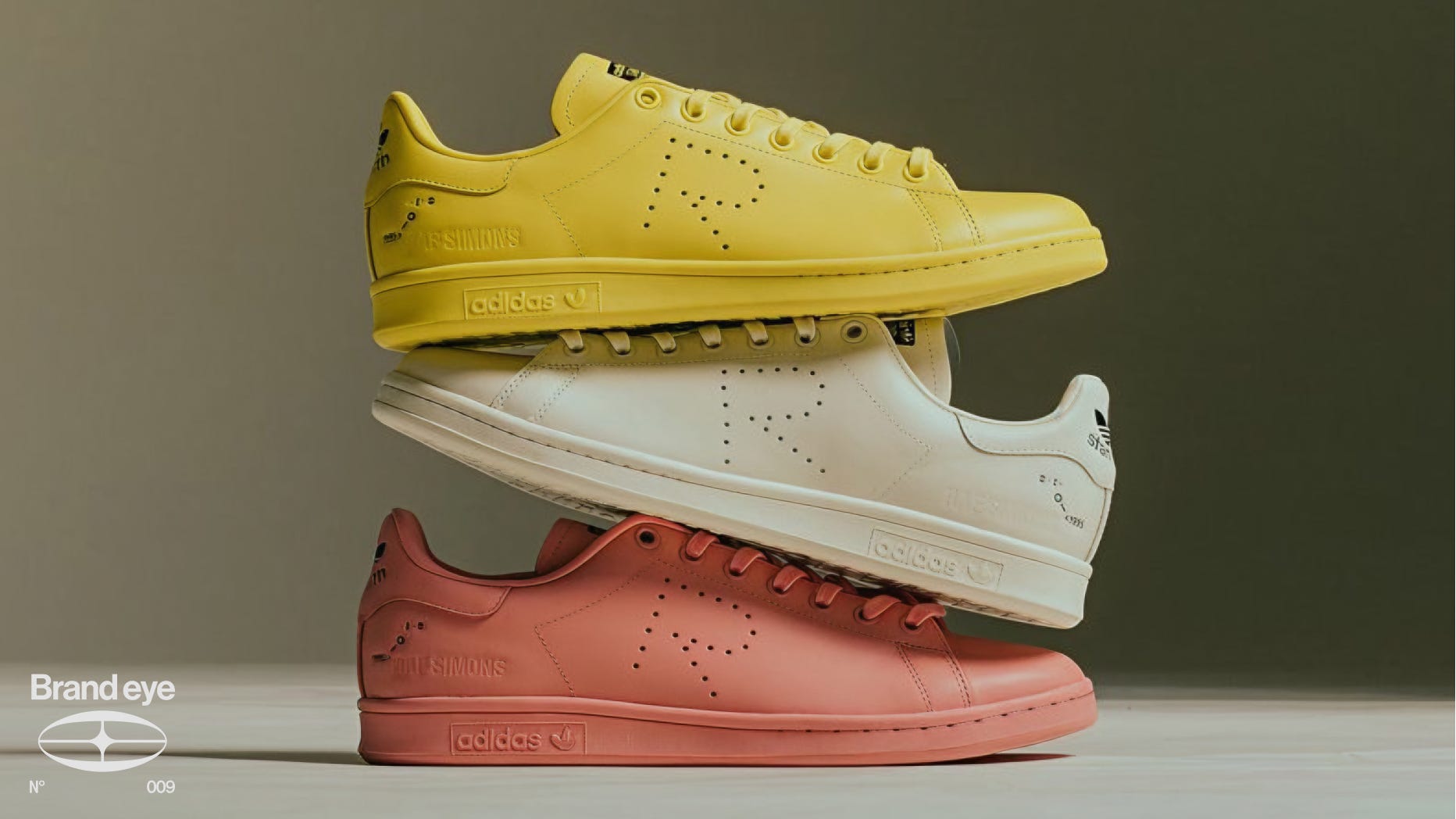
When the signal is strong enough, the collector doesn’t just buy the brand, they perform it.
But collectibility for social status needs substance behind it. Beanie Babies is the cautionary tale. If there is no USP or brand world beneath the act of collection, brands can build hype but they don’t make products people want to keep, only ones they want to cash in for clout. Collectibility without a brand world is speculation. With one, it’s loyalty.
4. The Casino Effect
Randomness creates a dopamine response. The uncertainty of what you’ll get in a blind box or booster pack triggers the same reward pathways as gambling, but in a socially acceptable, community-driven context.
Pokémon cards are arguably the single best example of all three pillars working in lockstep. “Gotta catch ‘em all” literally commands collecting. This idea of collection, inspired by lead designer Satoshi Tajiri’s childhood hobby of bug-gathering, is central to the franchise. Every Pokémon is visually distinctive, instantly recognisable, and systematically categorised. But what sets the cards apart is the experience of opening a booster pack, which is engineered for dopamine. The anticipation of not knowing what you’ll get is part of what customers enjoy, evidenced by the popularity of unwrapping videos across social media.
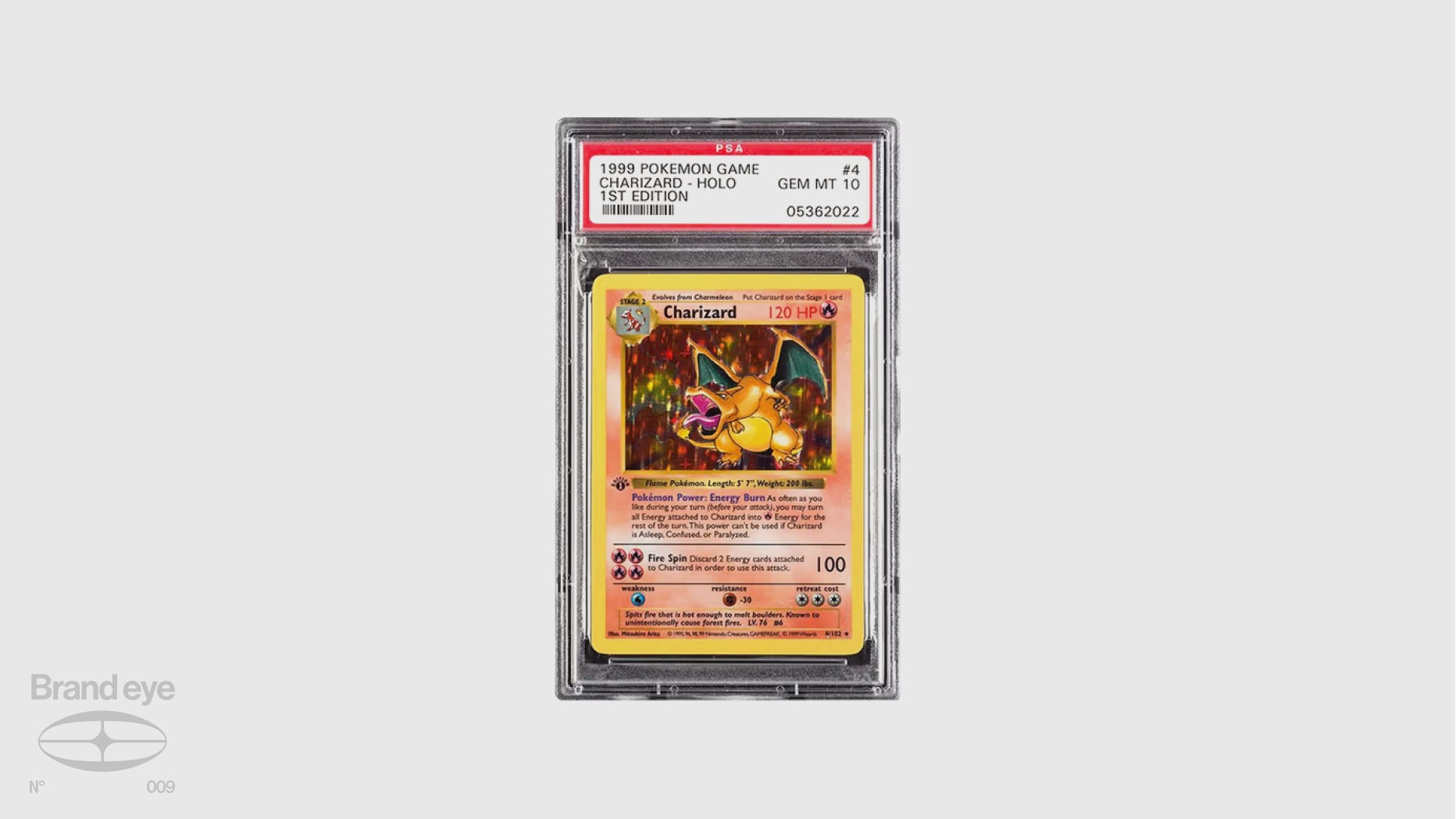
Story, Signal, System. The ‘Gotta Catch ‘Em All’ ethos, the iconic designs and the booster pack distribution mechanism. All working together.
Gamification is powerful but fragile. Without genuine story and signal underneath, the casino effect burns out. Pokémon endures because the world is deep enough to sustain decades of collecting. Brands that bolt on gamification without building the world first create short-lived hype cycles.
5. Investment & Legacy
This is perhaps the most difficult driver for brands to engineer. It’s very dependent on a secondary market created without their input. But despite its complexity, it’s worth understanding to get a complete picture of why collecting is so engaging.
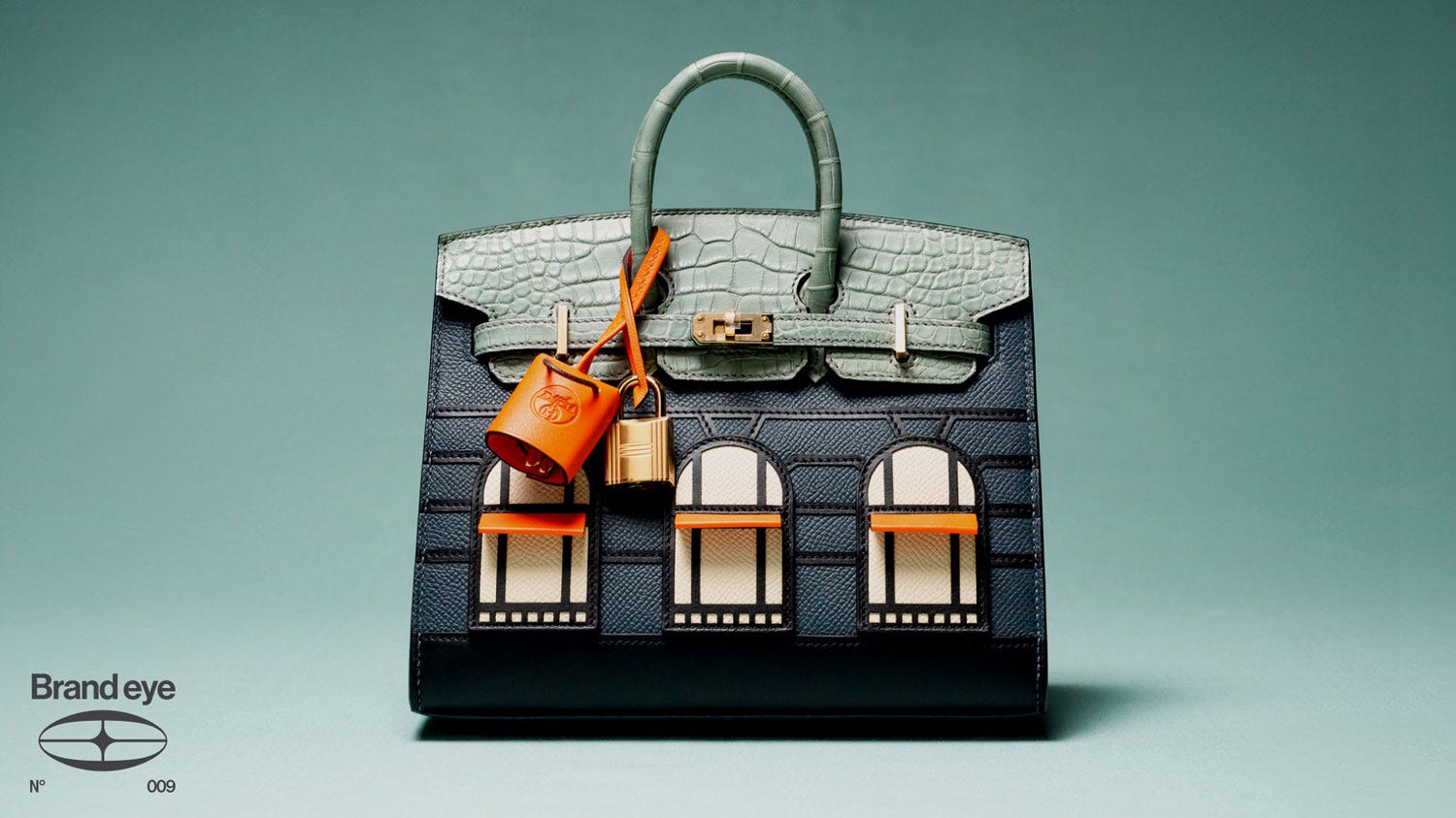
Hermès Birkin is the ultimate example. The scarcity is real (not manufactured drops), the craftsmanship narrative is airtight. The brand world is so well-built that the collectible appreciates because the world itself keeps appreciating. A Birkin isn’t bought for what it is, it’s bought for what it becomes.
Takeaway
These are far from all the reasons why collectibles seem to be a trait that exists everywhere and long predates modern consumer culture. But what’s safe to say is that these five principles are not only significant contributors to the collection behaviour, but that they are also ones which have been potently distilled by brands to build robust links between product, brand and customer on an emotional level.
So when you’re working on a product, ask whether anyone would collect any of the things you make. Not because of artificial scarcity or hype, but because the thing itself is an artefact of a world they want to be part of. If not, then through the principles outlined above, you have room to turn your brand from a flat surface to a world with depth.
But how do you operationalise these concepts on your own? That’s what part two will be breaking down next week.