


They say need is the mother of invention, but if that’s true then tinkering is surely at least a cool auntie? The history of iconic products is replete with examples of design innovations born not of intentional R&D but accidental convergence between a demand audiences weren’t aware of themselves, and a product that its producers found lying around in the scrap heap of abortive design ideas.
We’re going to take a quick look at a few examples of times that creative play led to incredibly beloved and innovative products and then make the case for why, and how, you can bake this process of creative play into the structure of your business.
Serendipity can sometimes be an incredible way to innovate but it requires you to have the right prerequisites.
Post-It’s
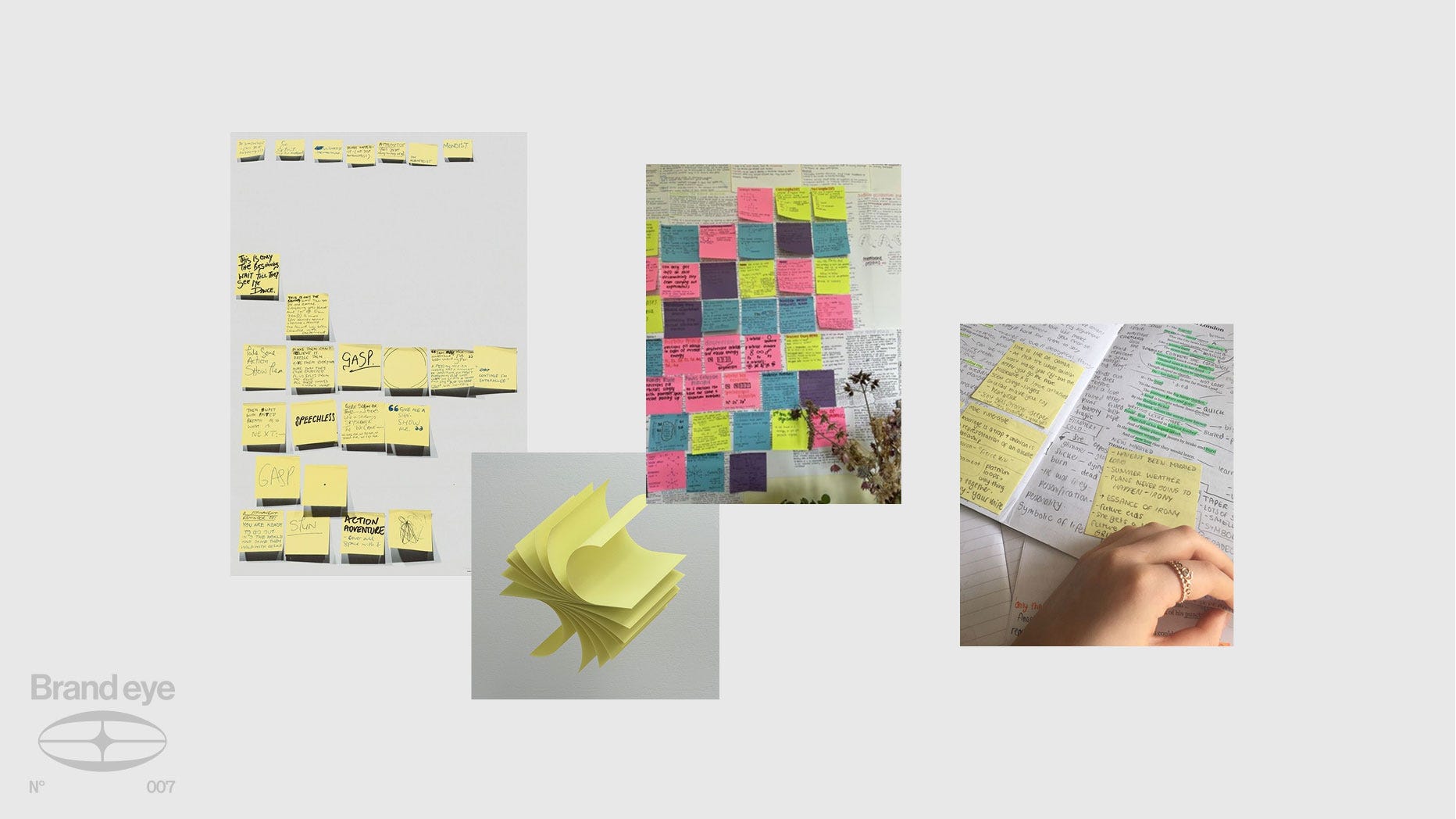
Post-It is such an iconic brand that it can be grouped in with the likes of Band-Aid, Xerox and Kleenex as companies that achieved such dominance in their category that their brand became synonymous with the product itself.
But the product which is now an office staple (pun intended) was actually invented as a way to make use of another failed invention by its parent company. A scientist named Spencer Silver working for 3M in the US in the 1960’s was working on super strong adhesives, but in his experimentation he instead ended up constructing a type of glue which was only slightly adhesive, reusable and pressure sensitive.
For the intended applications, Silver’s invention was a failure, but when reapplied to the yellow scrap paper laying around the 3M offices by other employees, they realised that it made for a very handy way of passing messages around, since these little scraps of paper could be peeled off a block, applied to another item and then easily removed again and reapplied. After almost a decade of floating around the offices of the American corporate conglomerate, this former ‘failure’ eventually found itself the foundation of a globe-spanning sensation.
Nike Waffle Sole
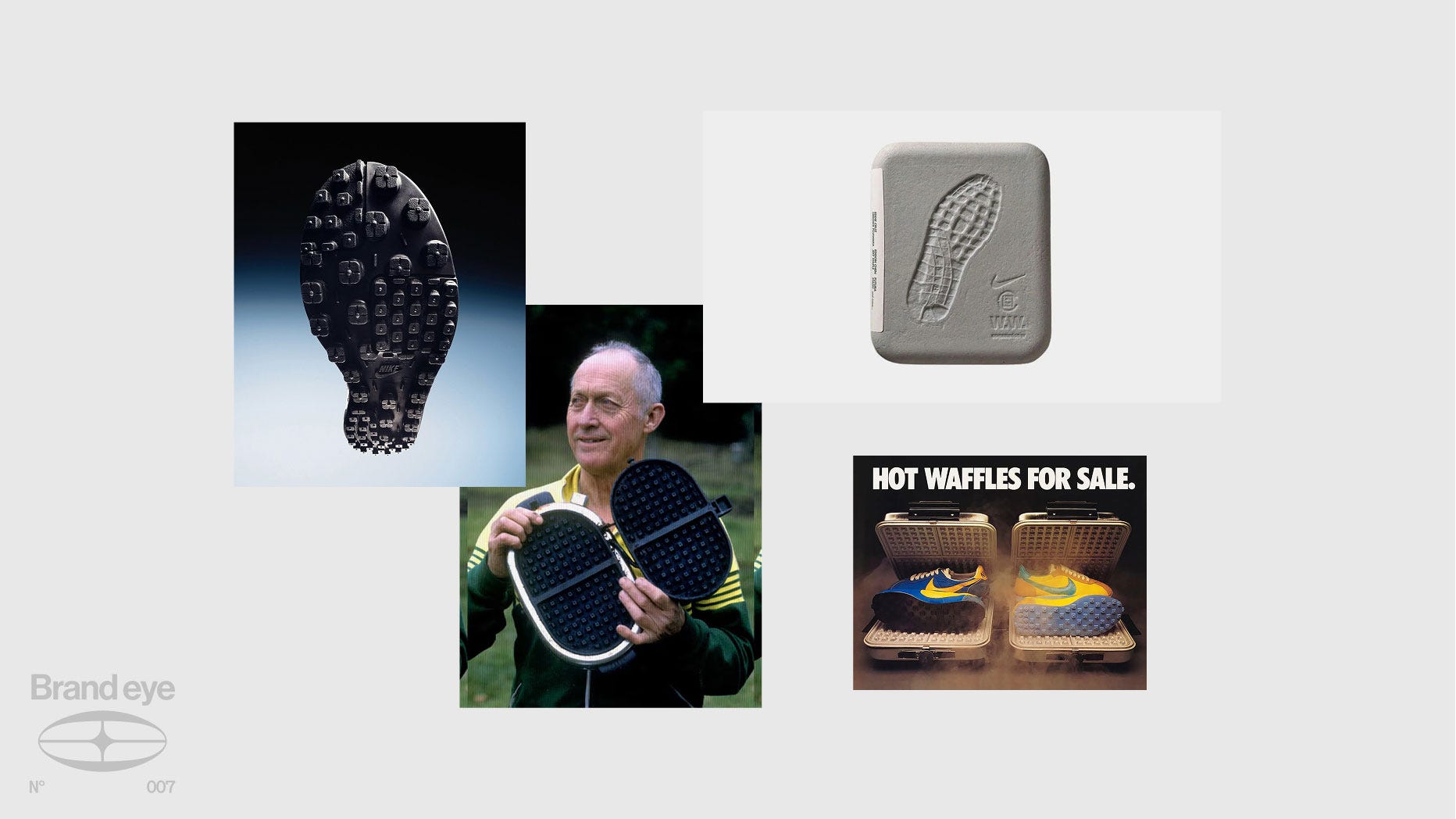
Around the same time as the Post It was being invented, Bill Bowerman, co-founder of Nike who was at the time still a track and field coach at the University of Oregon, was trying to come up with a new shoe for runners to train in on the newly installed Polyeurethane track at the University. The track, which Bowerman had had installed himself, was proving problematic for runners as flat shoes weren’t getting enough grip, while studded shoes were digging in too deep into the track.
Which explains why, one morning, the idea occurred to him to pour liquid polyeurethane straight onto the surface of his wife’s waffle iron, a wedding gift the couple had received over three decades earlier. Now, not unsurprisingly, applying liquid polyeurethane to a waffle iron did not, in fact, result in a perfect running sole and instead destroyed what seems to have been a very sturdy and reliable kitchen appliance but nevertheless, and if Bowerman had though a bit harder about it he might have also considered the fact that pouring the plastic into the waffle mold would end up with concave indents rather than the rubber studs of the Nike Moon Shoe, but it was the idea that mattered.
After many more attempts and many more waffle irons, Bowerman cracked the technique which ended up giving rise to the iconic Nike waffle sole pattern.
Fed-Ex Logo
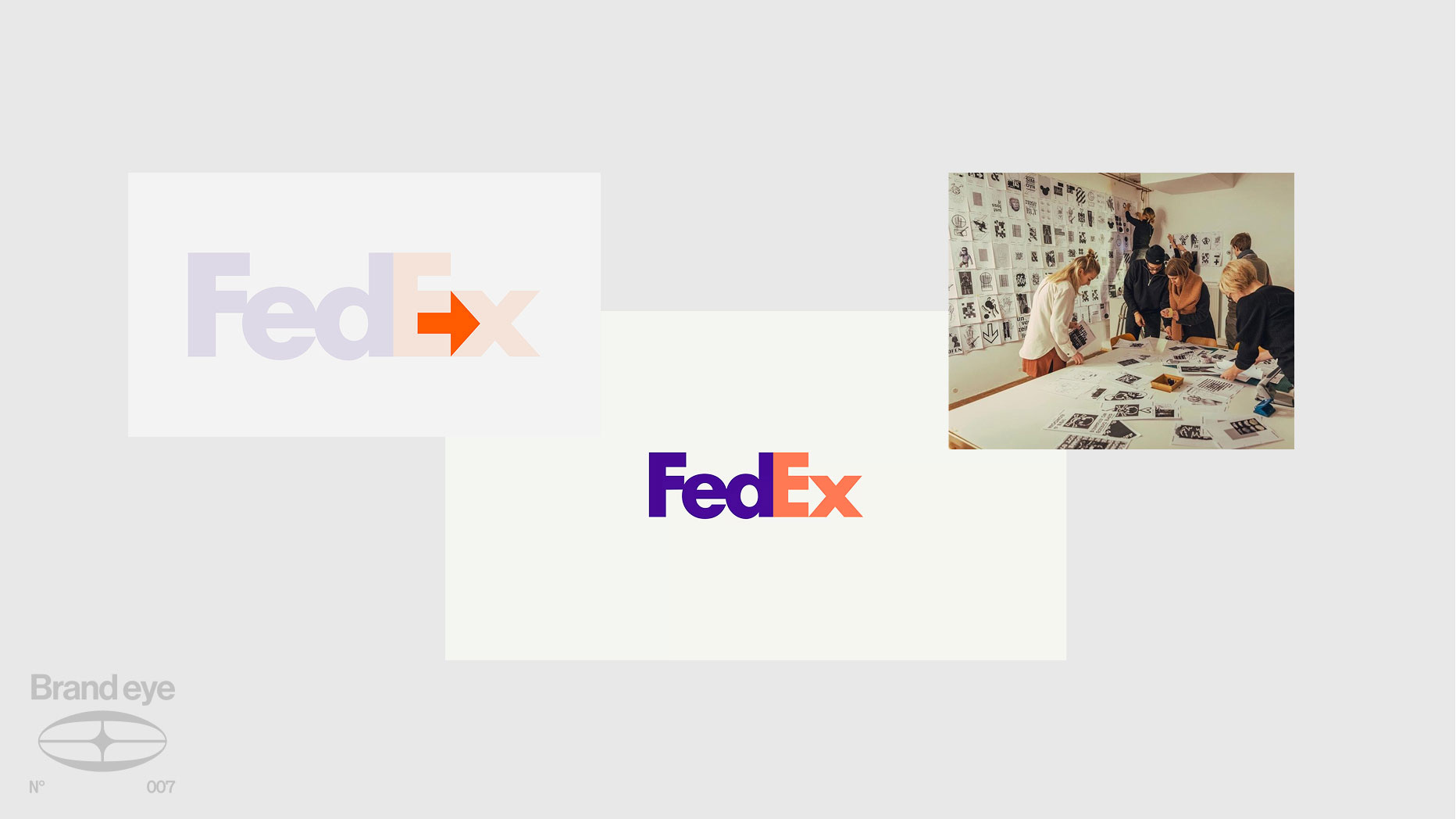
When Lindon Leader was hired to redesign the Logo of Federal Express as it was known at the time, not only did he convince the company to let him rebrand it as ‘Fed Ex’ but, as he noticed after over 200 iterations of the logo design, he figured out he could hide a clever nod to the company’s operations in the negative space of the lettering itself.
If you’ve ever noticed the arrow between the E and X in the FedEx logo you know what we’re talking about, it’s one of the most iconic ‘hidden’ messages in a corporate logo.
But the fact that it was an initially unintended result of the shapes of the letters and their narrow spacing shows the value of creative iteration. Giving the creatives leeway to test out 200 versions of the new logo might seem excessive but it paid huge dividends in this case. Sometimes genius takes time.
Make it Part of Your Workflow
These three examples all have something in common. As much as they were accidents, they were accidents which were facilitated by very intentional philosophies at the companies where they happened. By baking experimentation into the culture and processes of their companies, these businesses set up the conditions for creative innovation to lead to new products.
Nike approached shoemaking not as an artisanal craft with best-practices and principles to be followed because of tradition and heritage but as an engineering puzzle.
3M maintained a corporate policy that specifically allowed employees to pursue idividual passion projects on company time. That’s how the invention of one engineer ended up being transformed into a completely different product alost a decade later, the philosophy as well as the structures were in place to promote innovation.
And in the case of FedEx, it was the willingness to embrace iteration, and a gradual and slow movement towards refinement, as opposed to cost-cutting exercises and a race towards the bottom that led to their iconic logo. It took looking at the word ‘FedEx’ 200 times for the designers to notice what was there from the very beginning, that space between the E and X.
So when you’re thinking about creativity, don’t think about it as something tacked on to your company or as a branding buzzword. Baking creative play into the core of your business processes leads to innovations that you can’t necessarily define ahead of time but which can be fundamental.