


When AI pushes the cost of production towards zero, for every brand at once, where does differentiation come from? When everyone has the same tools, the only thing left to separate brands is their creative direction: what a brand makes, what it stands for, who it’s for and where it sits in culture.
That’s why we predict the next billion-dollar brand will be a creative studio pretending to be a product company. Proof? OpenAI, the company behind ChatGPT, has already paid $6.5bn for one: a company called io.
What Did OpenAI Pay For?
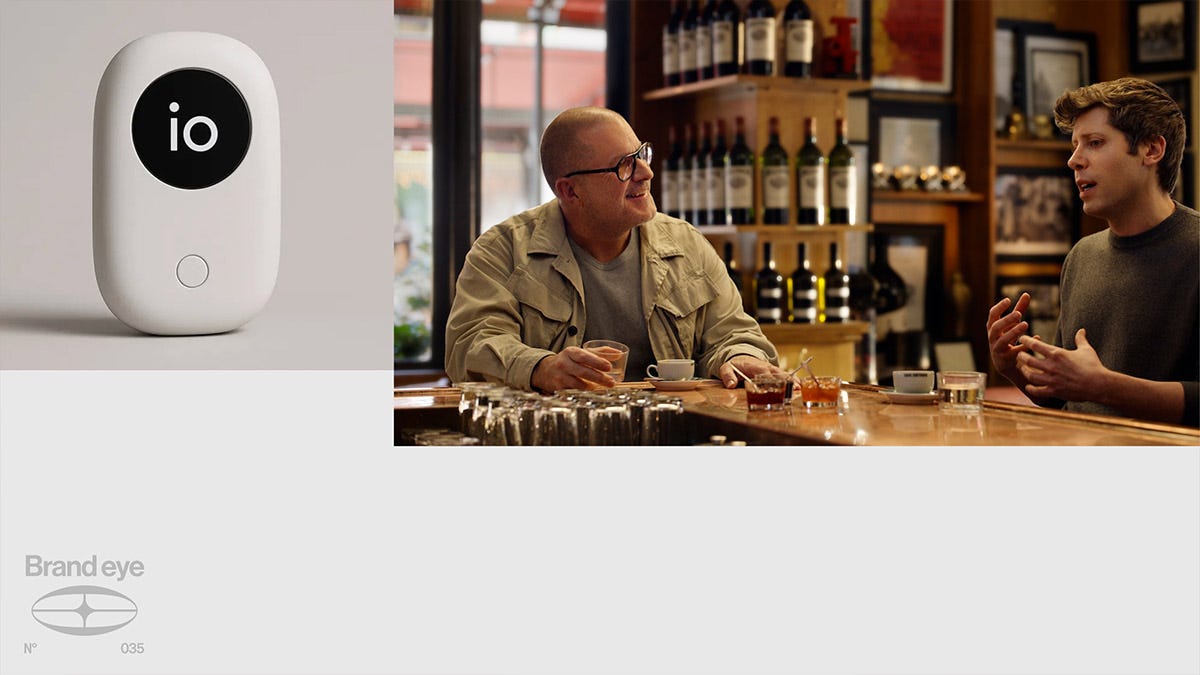
First of all, what is io? If you’ve never heard of this company, we can’t blame you. For one, it was about a year old when OpenAI bought it, and for another it had zero products on the market. A court filing says the company’s first device won’t actually reach customers before the end of February 2027, and the name itself ‘io’ has since been binned by OpenAI.
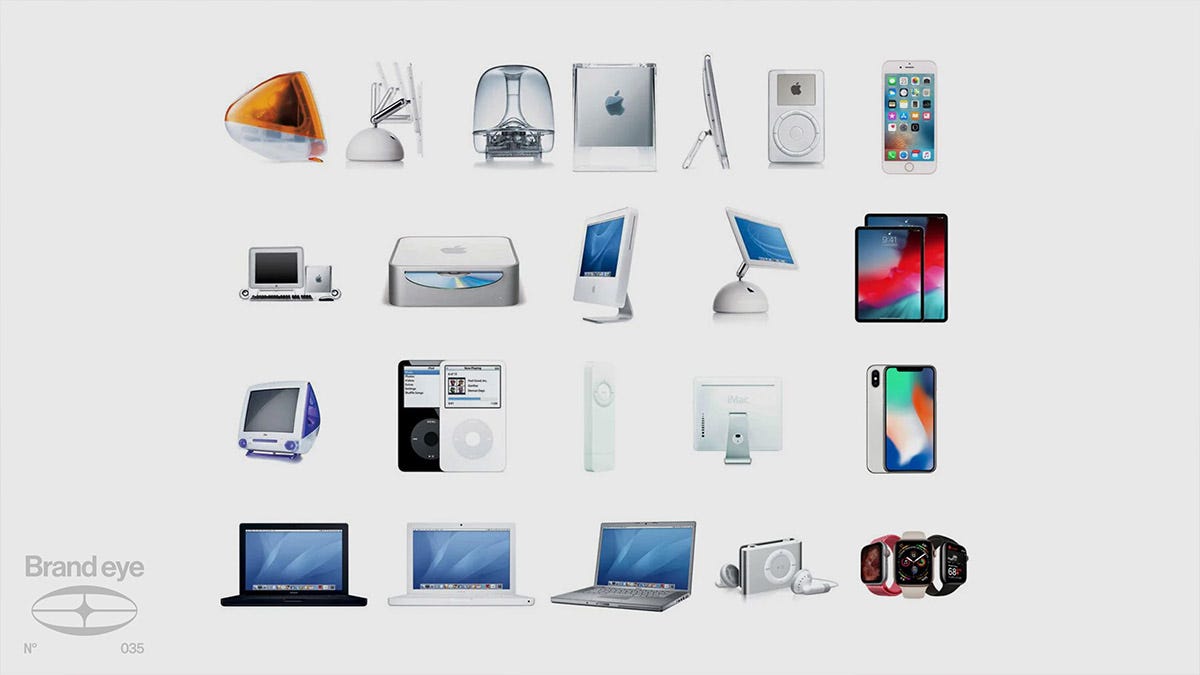
io was Jony Ive’s company. Some little projects he worked on at Apple which you might recognise include the iPhone, iPod and MacBook. After leaving Apple in 2019 he set up LoveFrom, which has worked with clients such as Ferrari and Airbnb. In short, a guy whose creative judgement has a pretty rock solid track record.
The deal in which OpenAI acquired io, announced in May 2025, valued io at $6.5bn. It made io OpenAI’s costliest acquisition at the time. That’s not all they spent, however. OpenAI just closed a lease on 115,000 square feet in central San Francisco with reportedly enough room for hundreds of people. Clearly, OpenAI values what Ive and his team have, and they’re putting up the capital to prove it.
But what did they actually get for all of that money? What is it about this design startup that’s worth that kind of outlay? I mean it likely isn’t patents, nor would it seem to be an excellent product since, well, they haven’t brought anything to market yet and won’t for a while, nor is it name recognition since few outside of Silicon Valley would have heard of the company and they killed the name anyway. It sure isn’t a client list, since OpenAI has no shortage of people lining up to work with them.
As we read it, what OpenAI paid for was a team that carries a huge amount of creative expertise and discernment. In short, a creative studio pretending to be a product company.
Everyone Has The Same Tools Now
So why would an AI company that’s helping drive the cost of production to zero pay that much for creative direction? Well, precisely because when an ad, a product shoot, or even a brand’s identity is a prompt away for you and your competitors, the value lies in what direction to take.
I run a branding studio, and I’ll be honest, these tools are getting scarily good at making things. What they’re bad at is deciding what your brand or product should be.
Meta shows how far this has already gone. The Wall Street Journal reported last year that it wants a brand to be able to hand over a product image and a budget and get the whole ad back by the end of 2026. This summer it showed a tool that generates new ads from a brand’s previous campaigns.
The same tools turn out the same good-enough work for anyone, so good enough stops setting anyone apart. If your brand already looks like everyone else in your category, you can no longer hide behind lower production costs or a stronger performance marketing funnel.
For years, brands could hide behind budgets and production costs: a bigger budget bought better-looking work than the brand next to you. Now the game’s been levelled, and there’s nowhere left to hide. If you want a jump on your competitors, it comes down to direction.
A Thought Experiment
If you engineer away enough friction in the process of making things then you’ll still be faced with the decision of what you actually want to make.
Imagine a competitor could prompt an LLM to produce copies of all your assets by tomorrow: your packaging, your site, your campaigns and your product shots, rebuilt overnight for the price of a ChatGPT subscription. What would still be yours?
It would be your decisions: what your brand stands for and the story behind it, who you’re for and who you’re not, where you sit in your market, the references you borrow and the cultures you want to be part of, which trends you ignore, which campaign is worth making by hand, and what buying you says about someone.
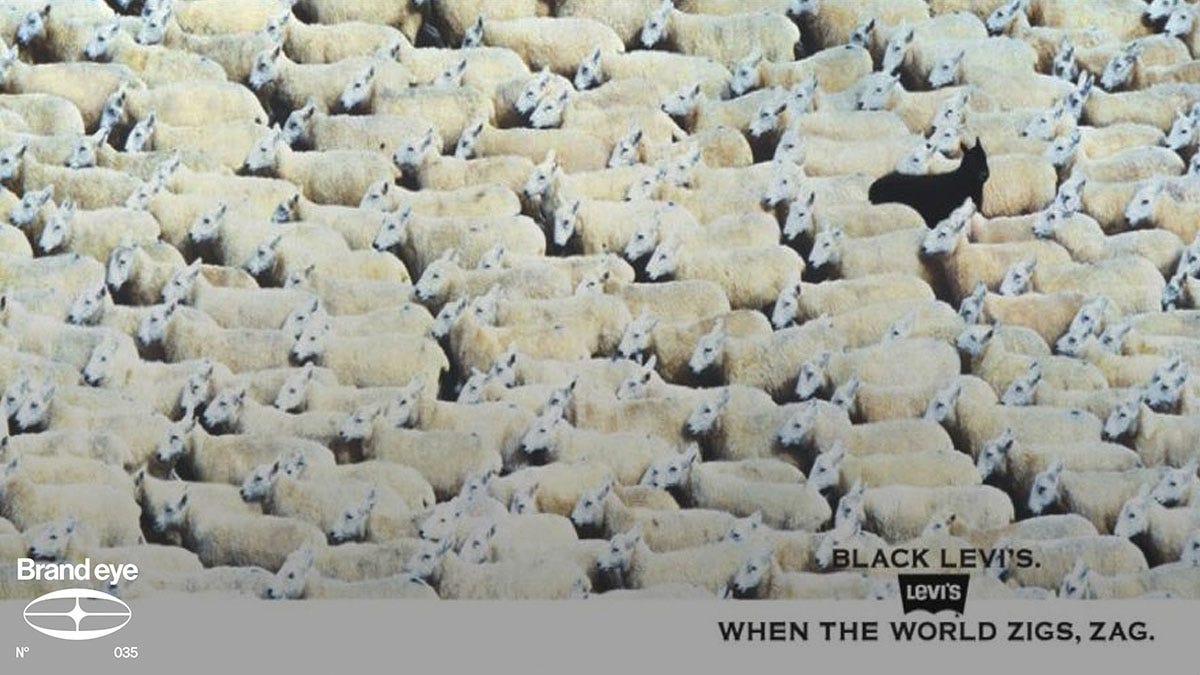
But can’t these same tools also handle your creative direction? Sure, and they’ll handle your competitors’ too. Picture every founder in your category typing the same question into the same tool: what should my brand stand for, who’s it for, what should it look like? They’ll all get a sensible answer, and it’ll be the same sensible answer, because it’s pulled from the same average. Handing your direction to AI means handing it to the one place guaranteed to make you look like everyone else, and that’s the opposite of a moat. Direction anyone can prompt is just more production.
Real creative direction comes from a person: you, or a creative director you trust. It takes taste, an intuitive and crucially human understanding of brand and brand strategy, and opinions about what’s good, what isn’t and what your brand would never do. An answer pulled from the average can’t have those. You need to be fluent in the culture your brand will sit in. That means knowing how a reference might land among the people you’re selling to, what places your brand belongs in, and which ones it would look out of place in.
This type of discernment is built up from real experience over years and years of attention. No prompt can stand in for it.
Run Your Brand Like a Studio
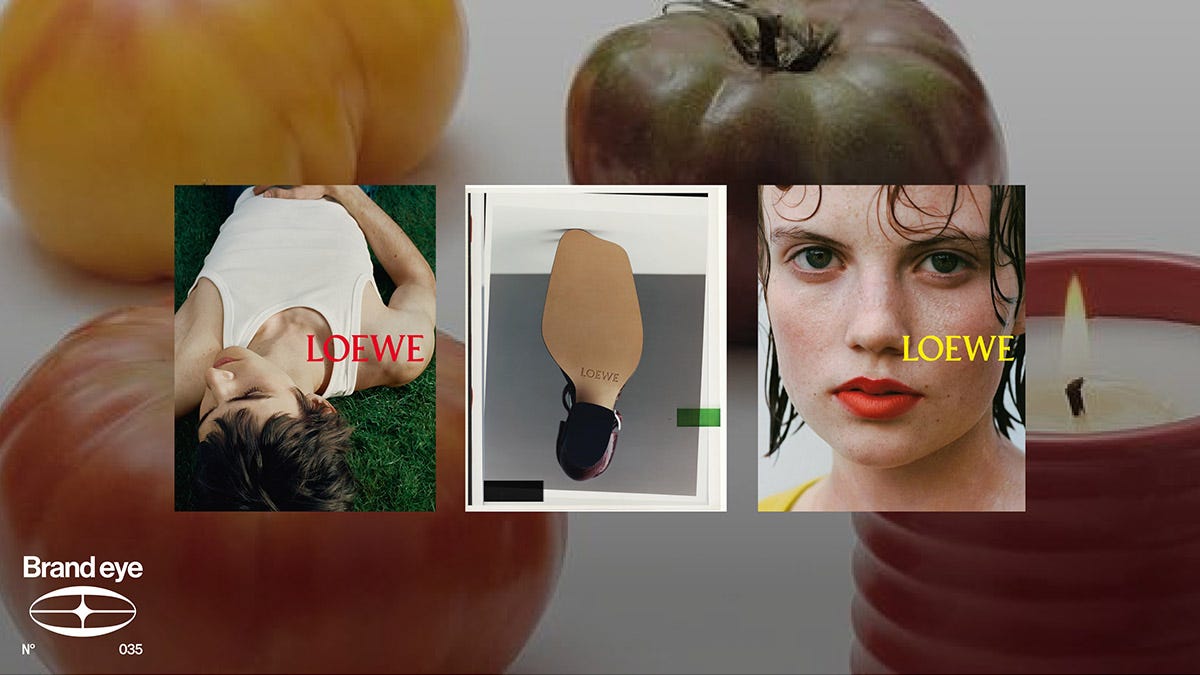
When the cost of production collapses, then what remains valuable is the creative decision making. Right now that resource is mostly locked up in creative studios, which is why OpenAI paid $6.5bn in a deal that put Ive and LoveFrom in charge of the creative work across the whole company. So run your brand the way a creative studio would. When everyone has the same tools, direction is the one advantage nobody else can get hold of. That’s why your brand’s creative direction is the last moat.
Where’s your moat?
So that’s your moat: the creative direction. Get it right and you end up with a cult brand, the kind people buy on purpose, pay full price for and come back to on their own. If you want to know how far off you are, the Brand World Score will tell you. It’s eight quick questions, and it’ll give you a score out of 10 and show you exactly where your brand world breaks.
P.S. If you’d rather have someone make these calls with you, I work with founders as a fractional creative director. You can apply here.
Nice article.
Real brands. Better customer experiences. Ideas worth borrowing. Check out The Front Row:
https://frontrowexperience.substack.com