


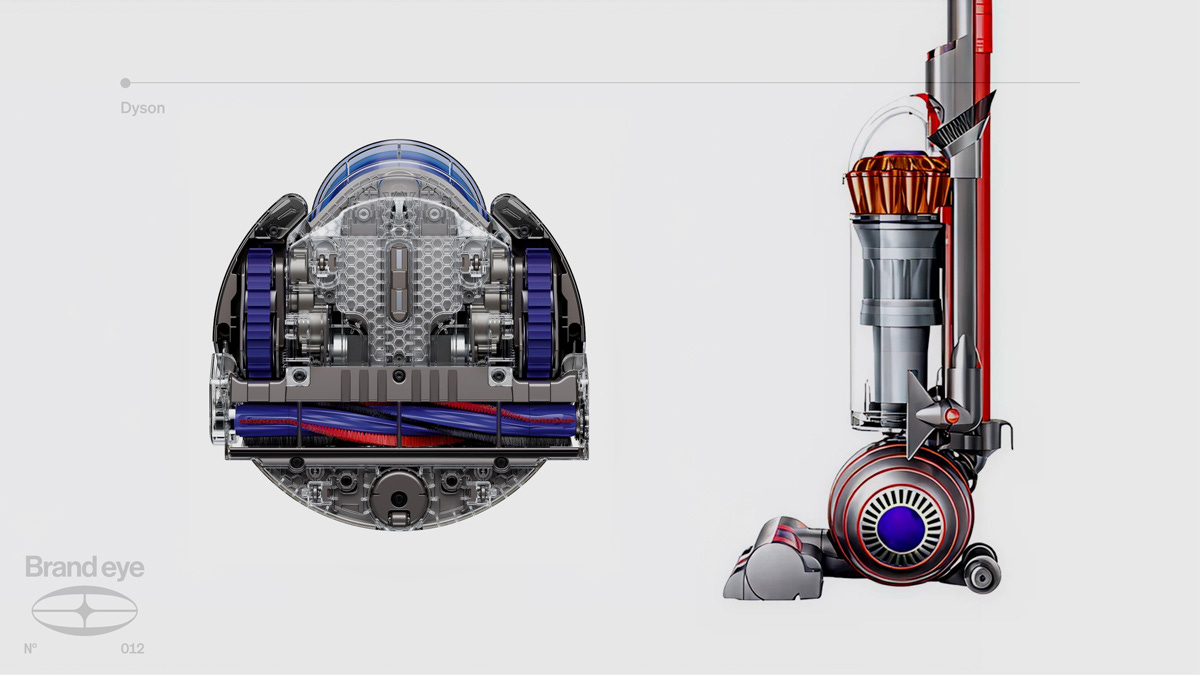
Look at a Dyson vacuum and the very first thing you notice is the motor. Not hidden behind moulded plastic like every other appliance in its category, but put on display, front and center, unmissable. Transparent housing, exposed cyclones, the engineering sitting there in your kitchen like it has something to prove.
And that’s the entire point.
Instead of being just another household appliance, Dyson is telling you a different story about its products. It’s a feat of industrial engineering worth paying a premium for, and the exposed motor makes that story impossible to miss. You don’t need a tagline when the product is the argument.
This is the second pillar of Brand World Building, and this week we want to take a deeper dive into signal in its own right. Why it works, why you need it and who does it well.
Where Signal Sits in the Framework
A few issues back we broke down the three pillars that make up a brand world. Story. Signal. System. The story is the North Star, the belief that makes every other decision for you. System is the architecture that compounds those decisions over time, turning every asset and touchpoint into a reinforcement of who you are.
Signal is the bridge between them.
It’s the single asset that takes the abstract thing (your story, your philosophy, your worldview) and makes it concrete enough to hold in your hand. A piece of packaging, a silhouette, a material, a character. One thing, so rooted in the story that no competitor could credibly lift it.
Without a signal, your story stays theoretical. Without a story, your signal is wallpaper.
Signal Is Not a Logo
What most brands get wrong, is treating Signal as a visual identity exercise. A logo. A colour palette. A typeface. These things matter, but they are not Signals. A Signal is far more than that, because while a logo tells you who made something, a Signal shows you why it exists.
The test is simple. If you could put your visual identity on a competitor’s packaging and it would still make sense, you don’t have a Signal, you’ve got styling.
Plenty of brands have tried to lift Dyson’s exposed engineering look. Shark borrowed parts of it. But a borrowed Signal never lands with the same force, because Dyson’s story (a vacuum as industrial engineering, worth the premium) is what gave the exposed motor its meaning in the first place. Strip the story away and the Signal becomes a styling choice. That’s how you know it’s a real Signal. It’s so tied to the underlying story that it couldn’t belong to anyone else.
And if you’re not actively designing your Signal, you risk just defaulting to the category’s. Green glass for olive oil. Pastel palettes and lowercase sans serifs for direct-to-consumer beauty. Minimalism and beige tones for every wellness brand that has ever existed. These are category cliches. They telegraph one thing staring down at you from the crowded row of alternatives: “I’m another one of these.” Utilising Signal properly is about bucking these stereotypes, and making sure that your brand is unmistakably yours and undeniably different.
Who Gets It Right
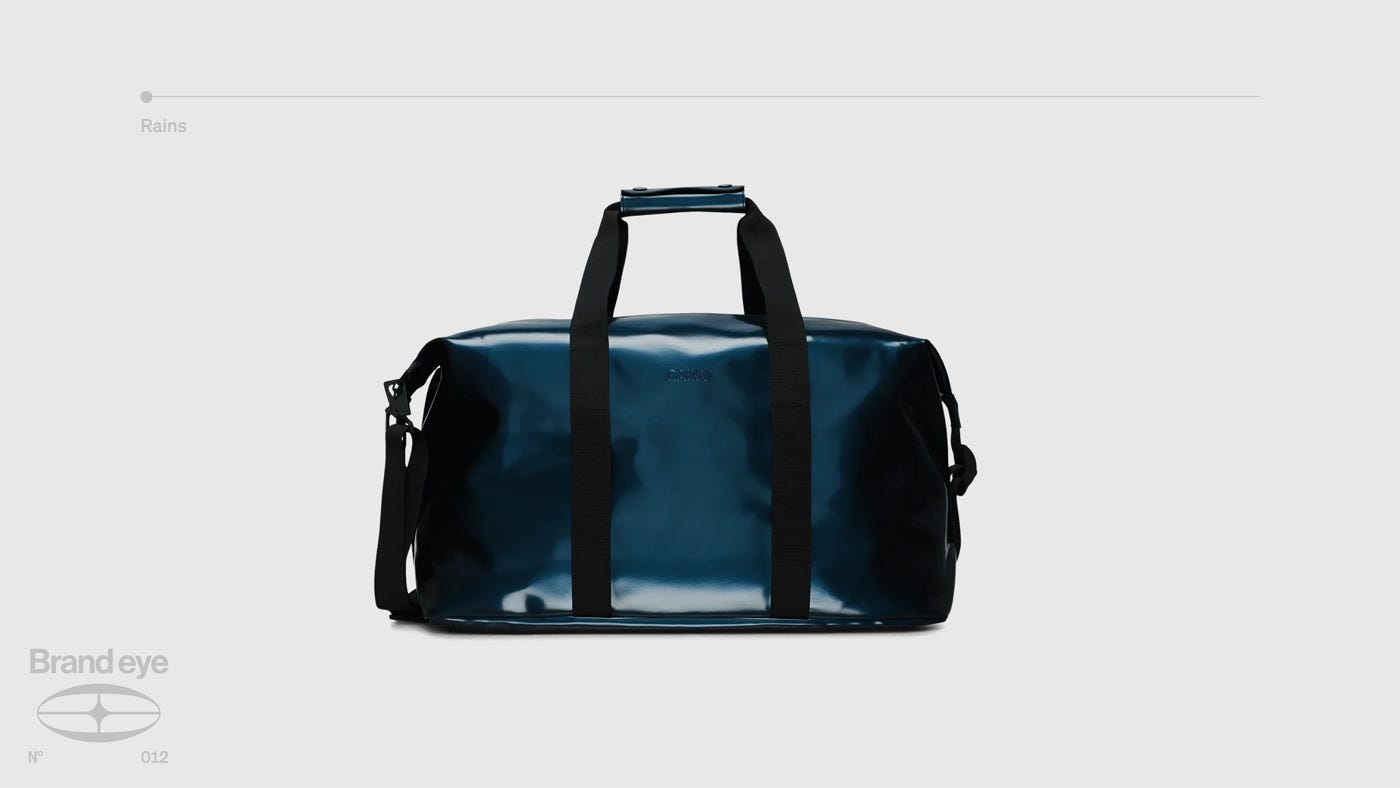
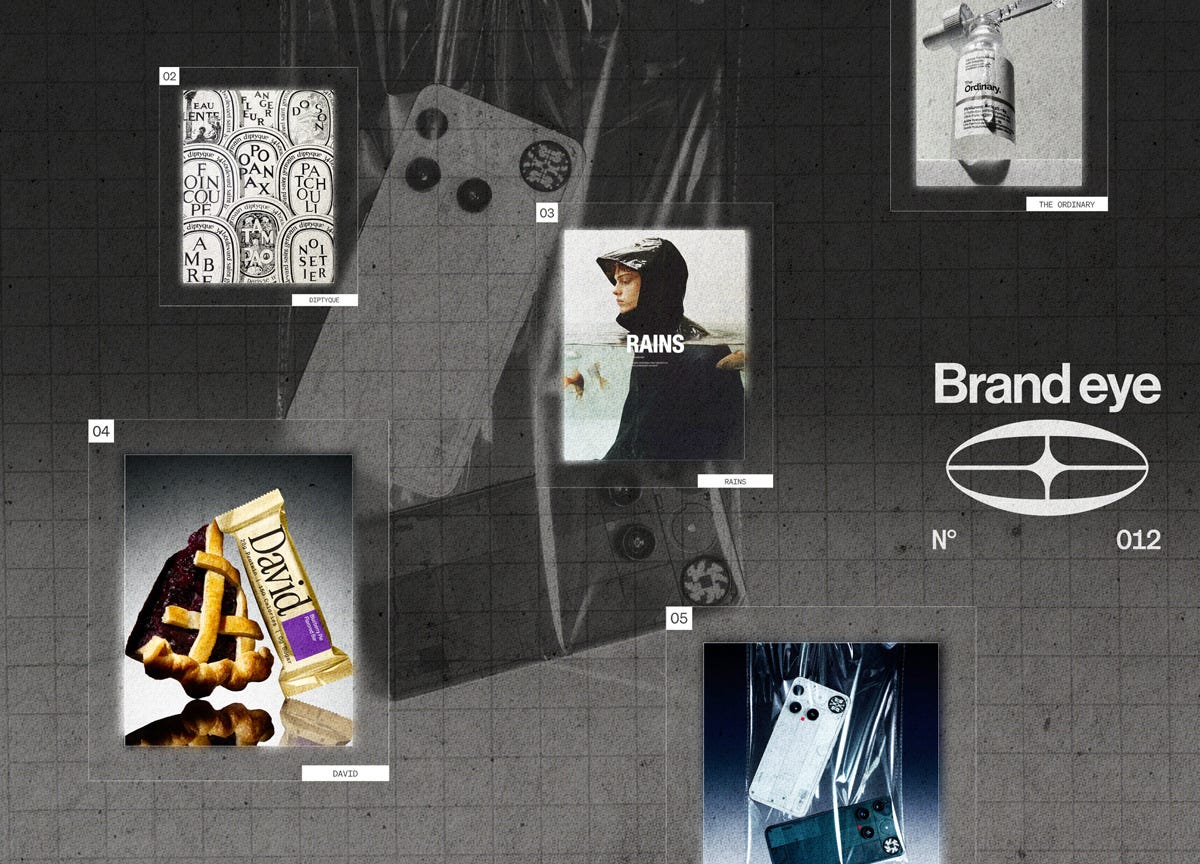
Rains. The Danish apparel brand built its whole world on reframing rain as an environment to live in, rather than an obstacle. To reinforce that story and to set themselves apart they used the material of their products itself as their signal. That glossy PU and rubber textile is so conspicuous it functions as well as any logo, but unlike a logo the fabric is integral rather than superficial. It doesn’t just tell you who made the coat. It tells you what the coat is. Rain, made wearable. A testament that functional fabrics and garments don’t have to be separate from fashionable ones.
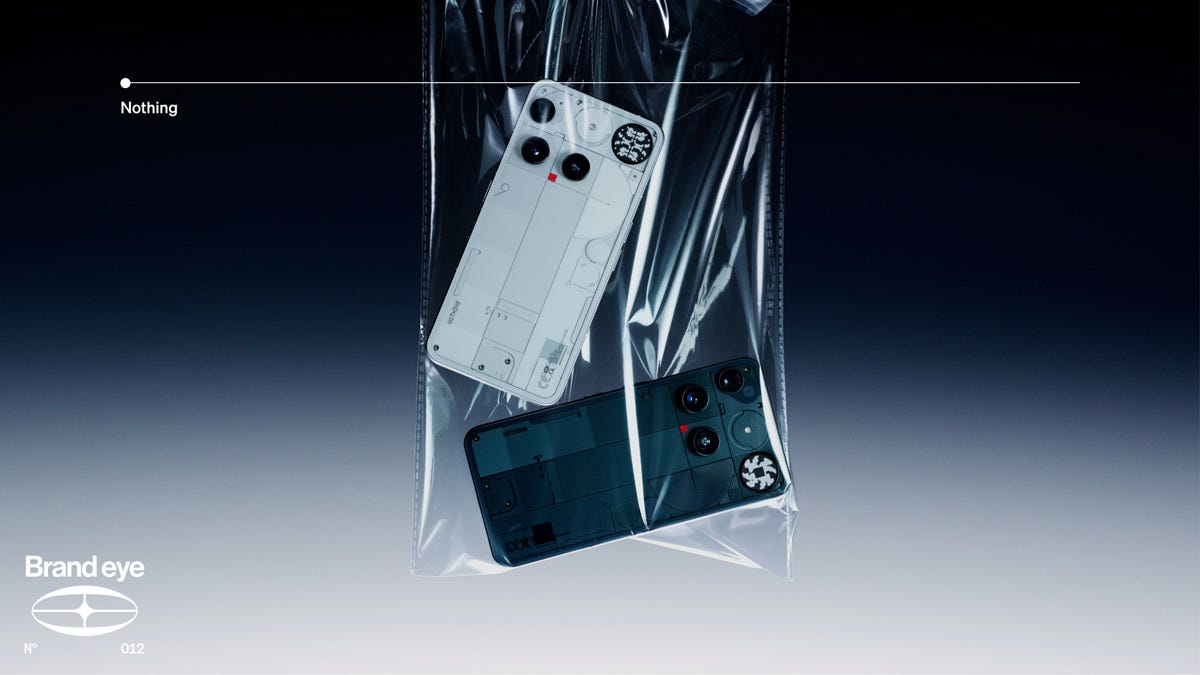
Nothing Phone. When you’re a challenger taking on the most dominant hardware brand in the world you need to maximise your signal for recognition. For Nothing, the signal is the transparent back of their phone, with its exposed screws and visible components. The architecture of the machine made legible. If Apple’s story is seamless, polished, impenetrable, Nothing’s story is the opposite. Scrappy. Honest. Built in public. The signal telegraphs that positioning before you’ve read a single word of marketing copy.
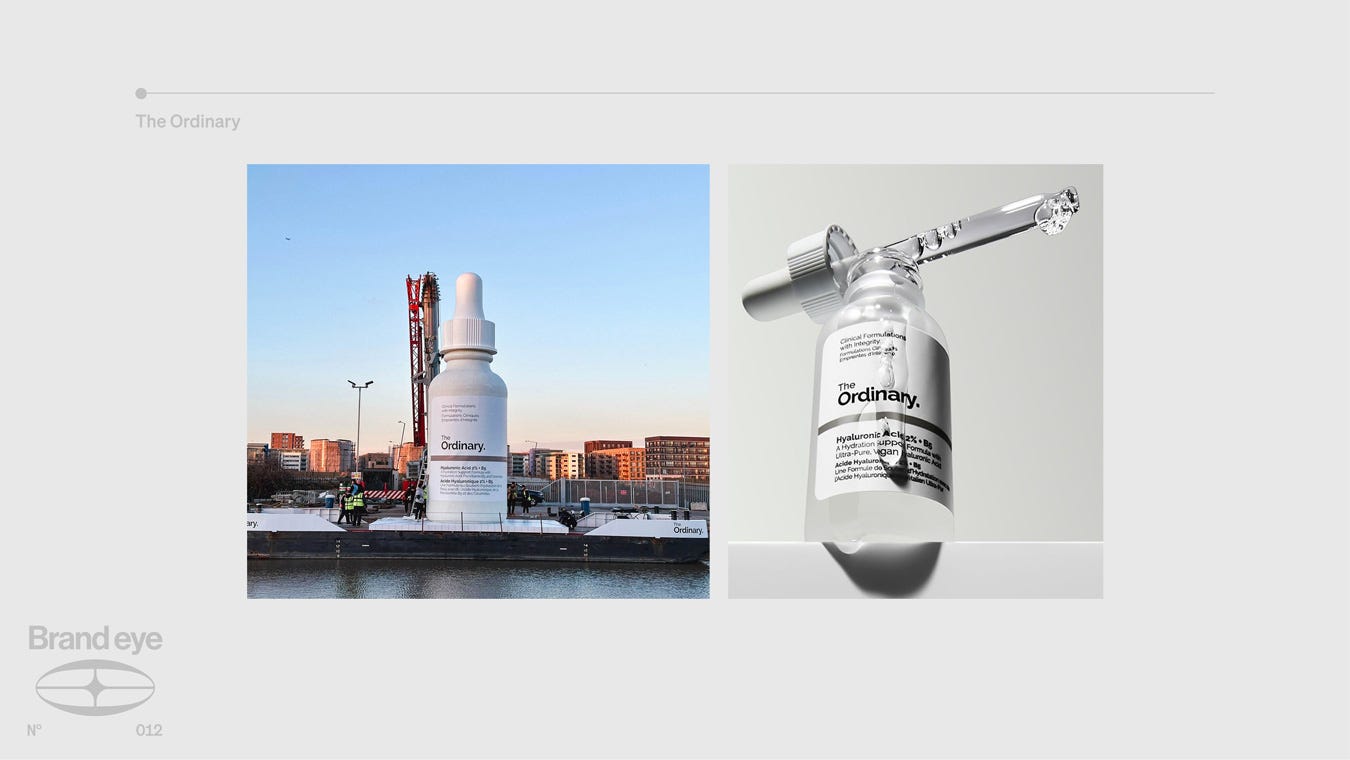
The Ordinary. A skincare brand whose story is radical transparency. Science instead of marketing. Accessibility instead of a luxury markup. For the Ordinary, the signal is the packaging. A clinical white label printed with the exact chemical concentration as the product name. Niacinamide 10%. Hyaluronic Acid 2%. Frosted dropper, serif wordmark that could sit in a chemistry textbook. Where wellness brands hide behind the veneer of nature with floral logos, natural scents and soft pastels, the Ordinary embraces the fact that it’s a product of chemistry. It doesn’t look like skincare, it looks like a reagent pulled from a lab shelf. And in their story, that’s exactly what it is.
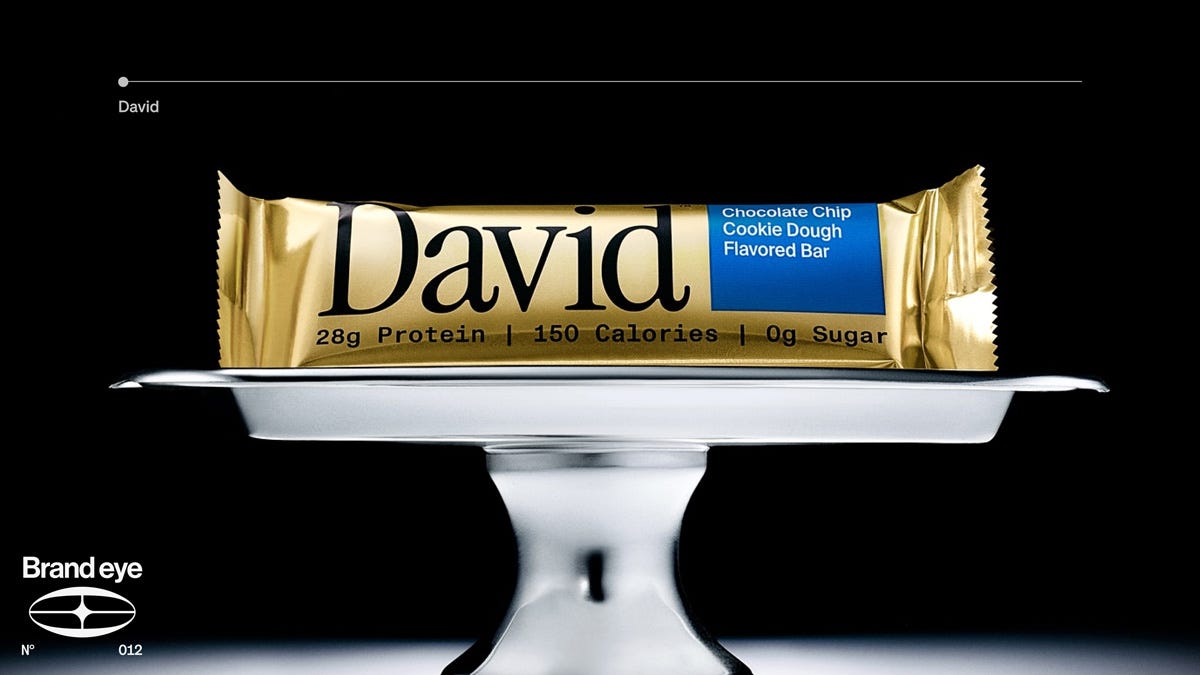
David. A protein bar sold as a precious object. Metallic gold and bronze foil wrapping. A serif wordmark borrowed from luxury rather than fitness. The nutritional panel printed as a spec sheet. Every detail signalling the same idea: this isn’t a gym snack, it’s an instrument of optimisation. The name does half the work. Michelangelo’s David. The most celebrated depiction of the human form in history. The product is the answer to what the name promises. Optimal protein for your optimal form.
The Test
A logo tells. A product shows. A signal has to do both.
Your signal can be a silhouette, a material, a colour, a character, a piece of packaging, a way of photographing your product. The form is flexible. What isn’t flexible is the rule behind it. It has to be reproducible. It has to be ownable. And it has to make your story visible in a way that no one else could credibly borrow.
If your signal could belong to anyone else, you haven’t built one yet.