


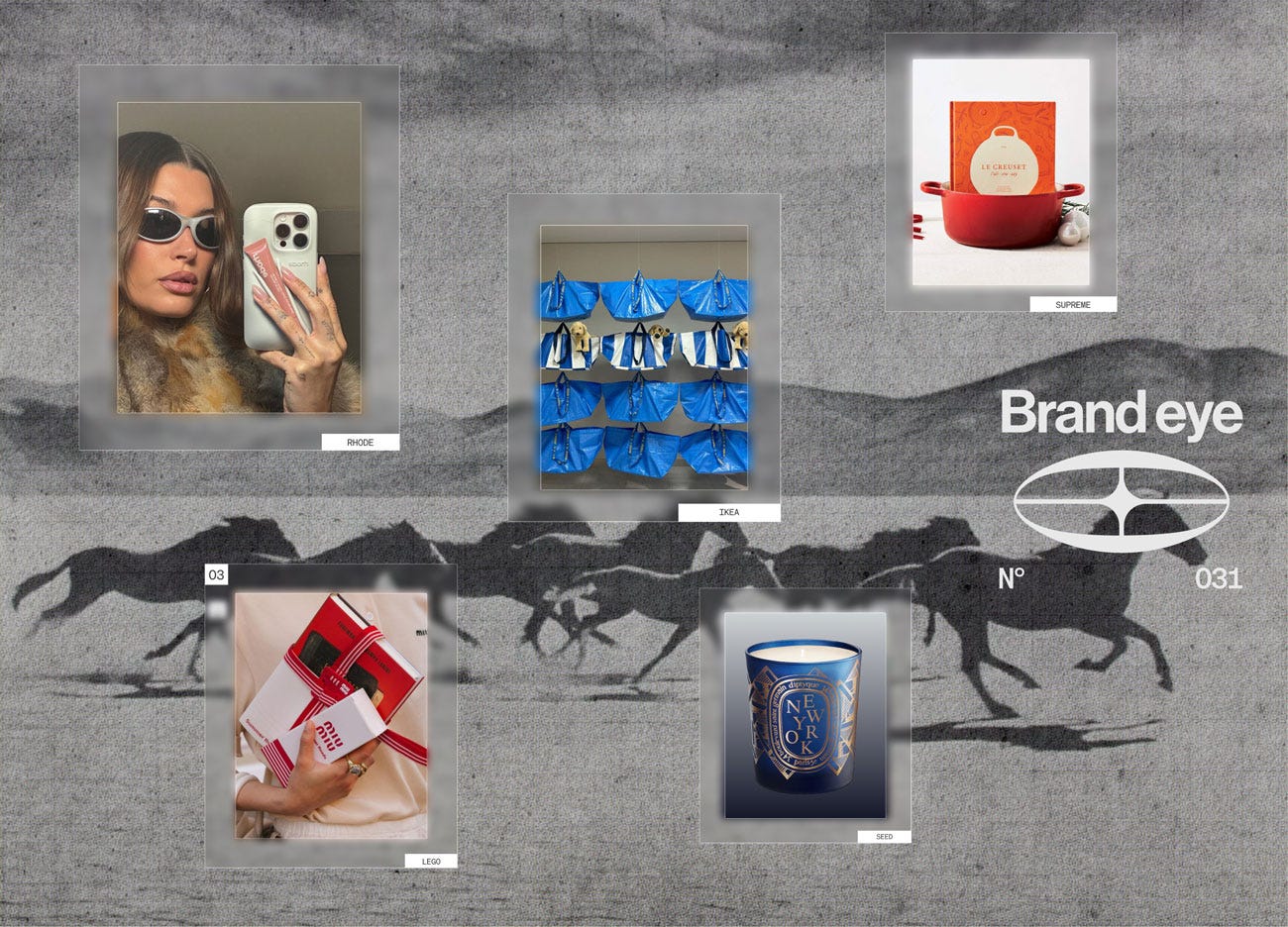
Did you know that on the New York subway, a dog can only ride if it’s in a bag. New Yorkers, in response to this rule, did the only sensible thing and started carrying their labradoodles onto the train in IKEA’s blue FRAKTA. IKEA never planned for this exact contingency, but on a deeper level, it’s a perfect encapsulation of why their iconic blue bag is the perfect example of a Brand Trojan Horse.
The bag was designed for shoppers to carry all the impulse purchases and loose items they hadn’t meant to buy from the shop floor to the checkout and from the checkout to their car. It costs 99 cents. But it’s much more than that, in reality. But you already know that, because even if you’ve never shopped at IKEA you’ve probably seen this bag. On a crowded platform with a dog’s head poking out of the top, or in the trunk of someone’s car as they’re moving into a new flat, or in your own home, hauling a week’s washing to the machine. And the whole time, these little cameos are doing more for the brand than posters or billboards.
When you sell a product, it’s typically used and then put away or, in some cases, discarded. Between orders you are not present in your customer’s life, so you are forced to pay to win them and then pay to bring them back again. And again. And Again. The costs stack up.
Some brands, though, manage to dodge that bill, because they have planted something that stays with their customers in their daily habits. We call it the Brand Trojan Horse, and it was the subject of the very first Brand Eye.
This time around, we’re riveting the concept in the form of a manual, in roughly the order you’d build one: what it is, why it works, the various forms it comes in, the six rules every good one follows, where it goes wrong and how to find yours.
What a Brand Trojan Horse is
A Brand Trojan Horse is a secondary product that provides customers with real value and stays in their life long after the sale. Some are free but the best ones are just cheap, and they sit next to your main product. The low price means the threshold is low, and every time one gets used, it acts as an endorsement of your brand.
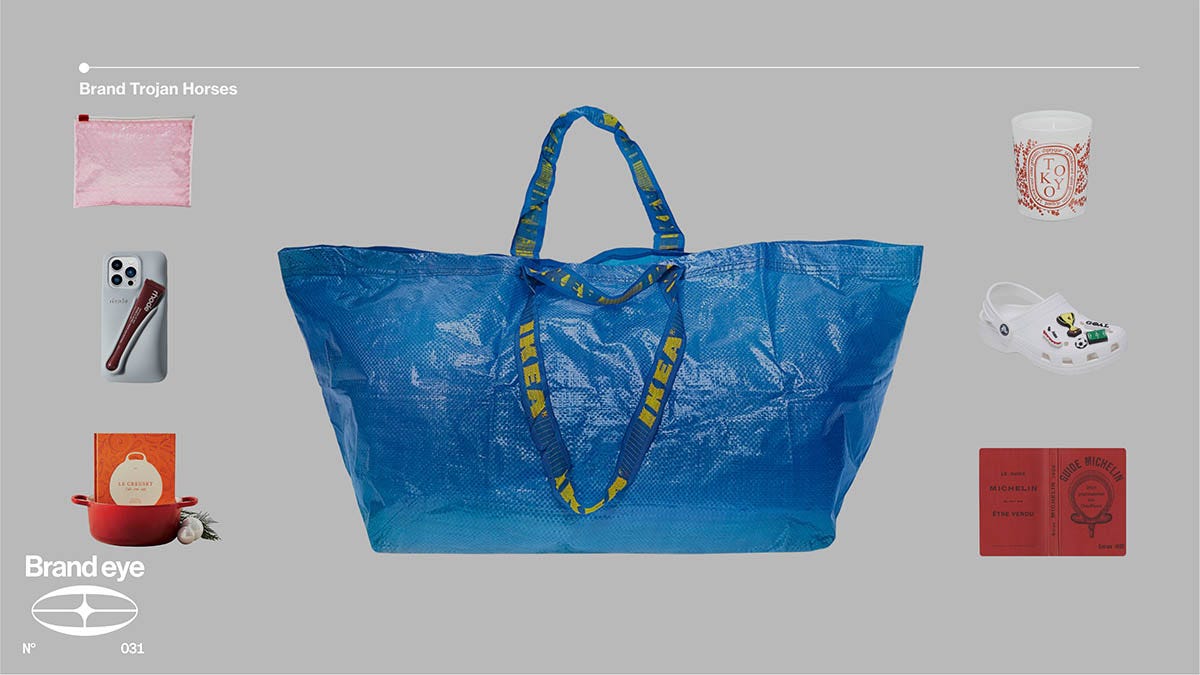
Think of the Arc’teryx beanie, the Trader Joe’s tote or the FRAKTA. None of them matter much to the revenue of the companies behind them, they’re trinkets, accessories, miscellaneous goods, but all of them work as advertising in the real world, carried around by customers who not only volunteered to be ambassadors but in most cases paid for the privilege.
So it’s merch? No, crucially it’s not merch, and what separates a Trojan Horse from merch is fit. It needs to match the brand so closely that it reminds people what you stand for every time they use it. The Arc’teryx Beanie is adaptable outerwear with a minimalist aesthetic and a discrete profile, the Trader Joes bag is simple, humble, roughspun and rustic but cheap and versatile too. These are products that don’t just slap a logo on a random piece of gear, they embody the values of the brand they represent.
Why it works
People carry it for you
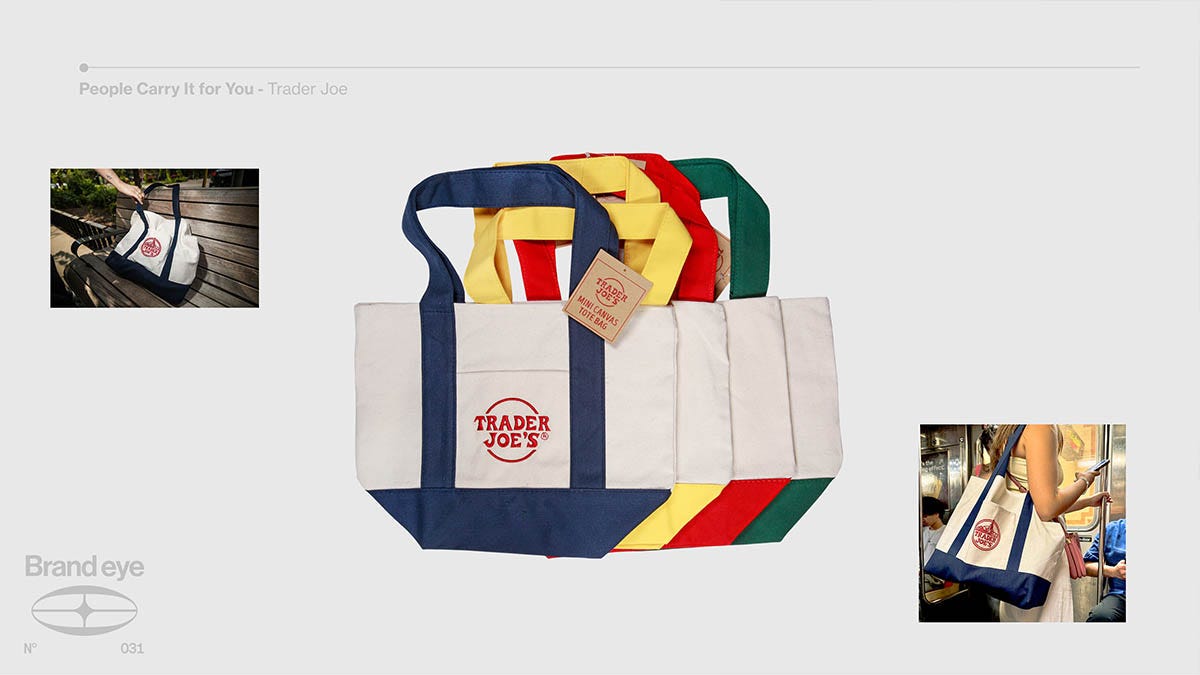
Every customer who takes their Trader Joe’s tote on the Sunday coffee run, round the farmers market or to class walks past dozens of people, sometimes hundreds. Some of them clock the logo, but more importantly, a fair few of them see someone they know carrying it, and they start to connect the brand with that person. If that person has some pull in their circle, the tacit endorsement carries real weight. Every new carrier brings their own network with them, and the odds of seeing the same tote on three different friends keep climbing.
It’s social proof, and it’s an influencer campaign you don’t pay for. Matter of fact, the influencers pay you. The Trader Joe’s $2.99 mini version of its canvas tote which dropped in March 2024, sold out before the company had promoted it anywhere. On the secondary market, they were re-selling for $500. Because it had become associated with a certain type of person, not a person i.e. an influencer in the traditional sense but a certain class of customer, and buying the tote was perceived as buying into that class.
It earns its keep
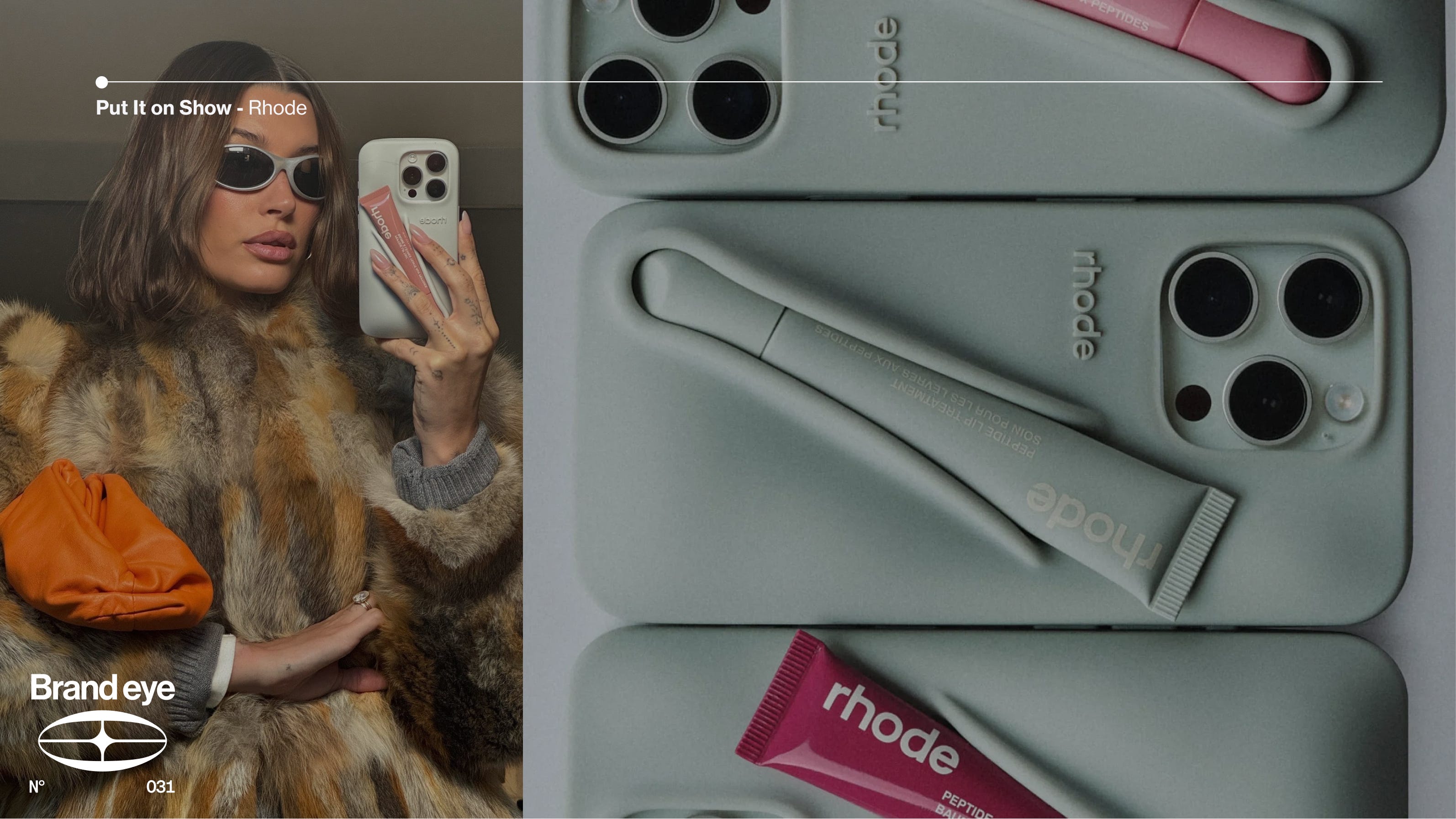
Most advertising costs you money every iteration, but a Trojan Horse can actually pay for itself. Trader Joe’s makes a margin on every tote even at $2.99, it’s ad spend with profit baked in. Rhode charged $35 for its lip case, and it still sold out within hours. The Trojan Horse is so powerful partly because the customer funds the ad, then carries it around for years without you needing to refresh your lease on that bus-shelter ad or that website banner.
It shows instead of telling
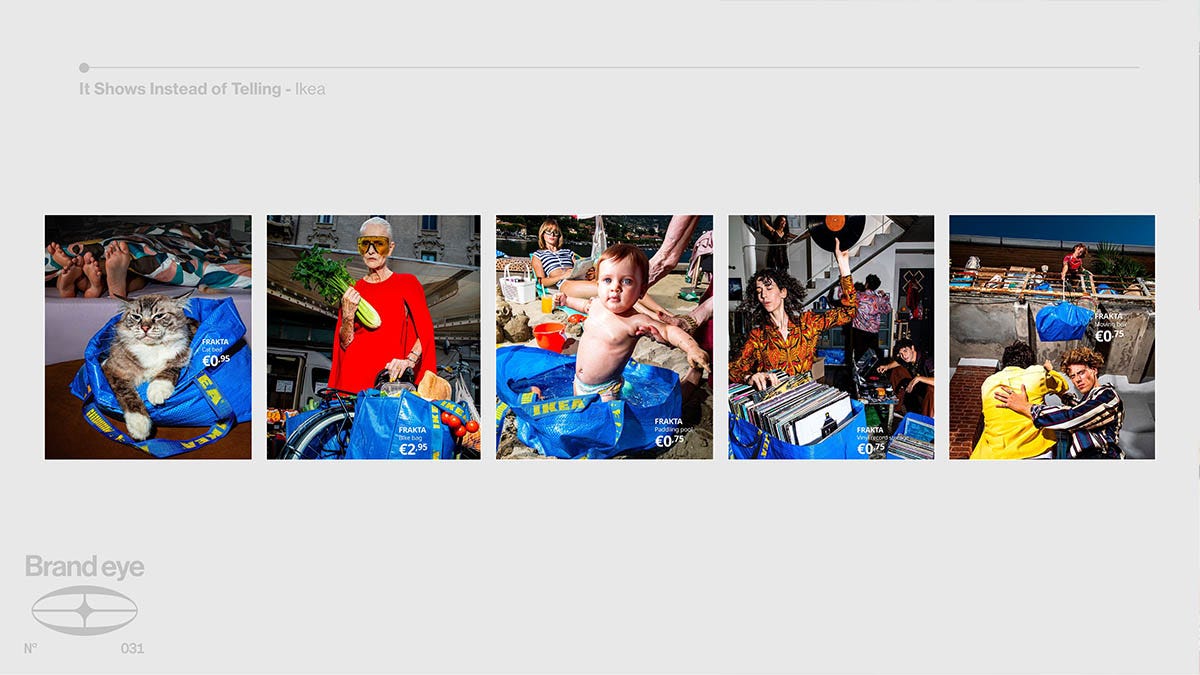
An ad can tell you IKEA furniture is cheap, flexible and convenient, but so can any brand whether it’s true or not. A FRAKTA carrying a labradoodle through the turnstiles proves that it’s not just talk. A Trojan Horse lives in the world and does the job your brand claims to do, it’s social proof, sure but it’s also straight up empirical evidence that you can back up the talk your ads do.
The four kinds
Every Trojan Horse we’ve studied does one of four jobs. It’s either something people use, show, follow or collect. The best ones manage two at once.
1. Something they use
These are the workhorses. IKEA’s FRAKTA moved on from the checkout to laundry day, house moves and the car. There’s Le Creuset’s recipe booklet which comes in the box where every recipe in it needs the pot, so if you get hooked on that casserole or stew, well then it’s a daily reminder of the value their product had brought to your life. Huel sends first time customers a free shaker which quickly becomes a staple in your gym bag.
2. Something they show
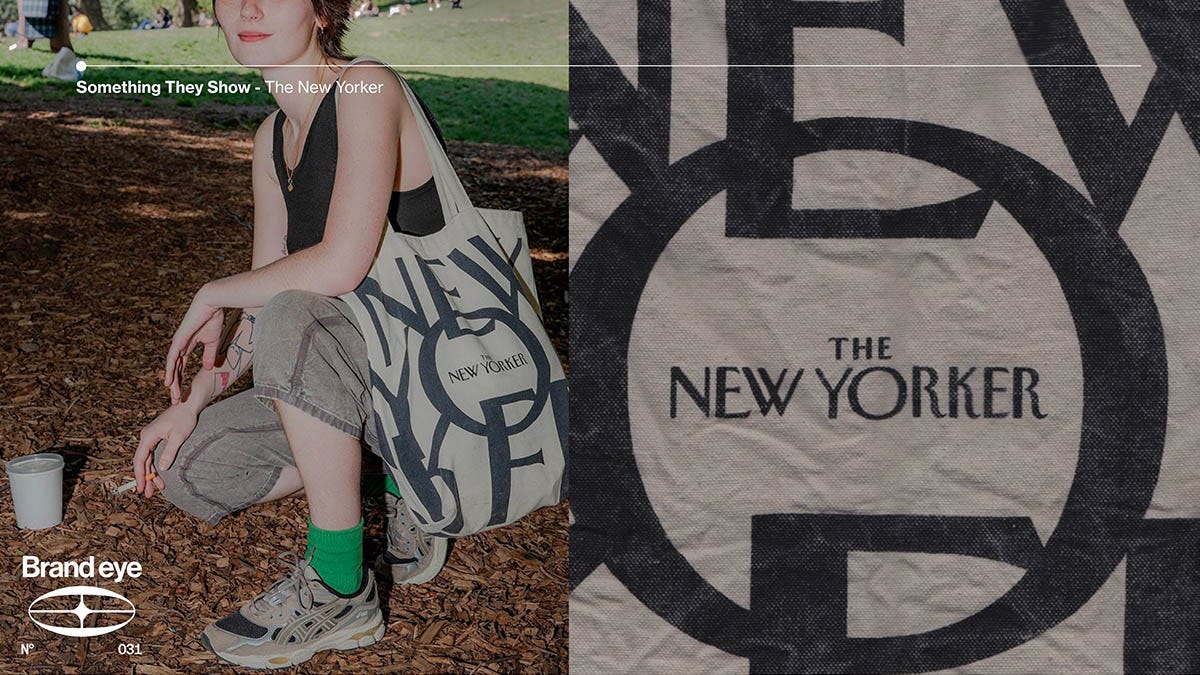
These types of Trojan Horses carry the added value of being status symbols.. The New Yorker tote tells everyone on the train you’re high-brow and care about good journalism, while the Arc’teryx beanie tells people on the high street that you’re the type of person who might go bouldering in British Columbia.
3. Something they follow
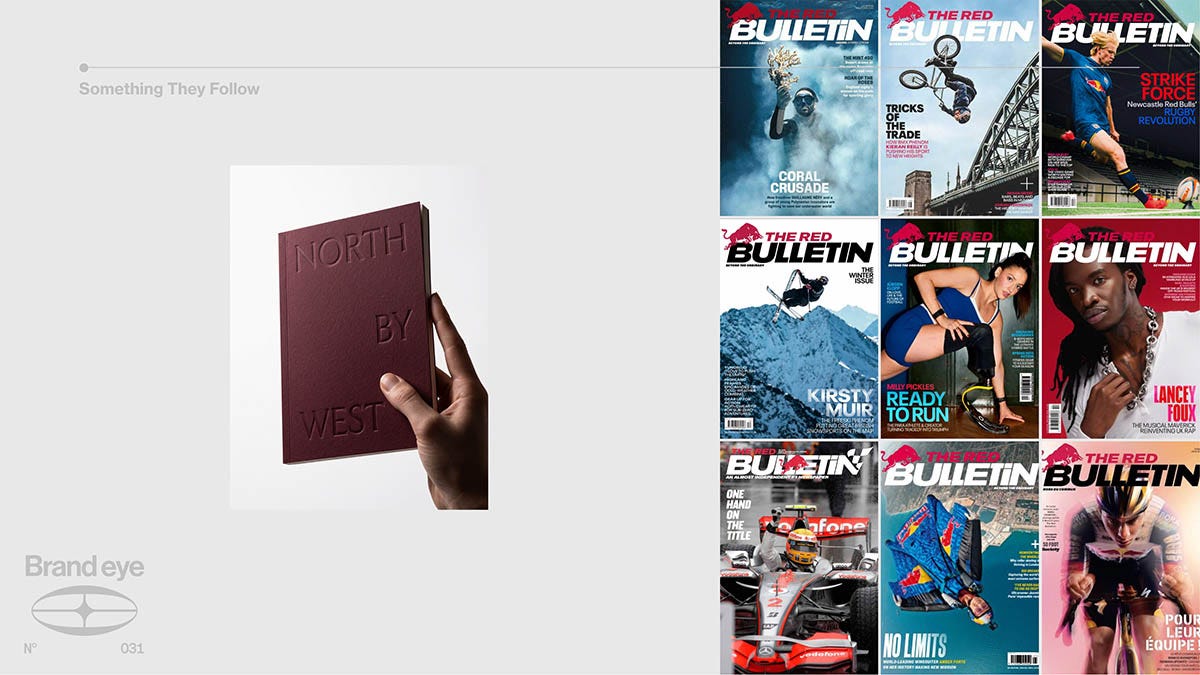
This content keeps your brand in someone’s weekly routine. Red Bull puts out The Red Bulletin, a free magazine about the life around the drink, produced by professional journalists and worth reading for its own sake, all the while reminding you that Red Bull is associated with adventure, extreme sports and play. Monocle’s radio station provides a companion piece to their magazine, taking their content to audiences through a different format, one which demands less focus and can play in the coffee shop or car.
Closer to home, we built North by West for Camerons Stiff & Co, North West London’s leading independent estate agency. It’s a newsletter and a coffee table book about the neighbourhood, stocked in homes and high-end shops across the area, and it never once mentions a house for sale. An agent only matters the week you sell, but North by West keeps Camerons on the coffee table for the years in between.
4. Something they collect
And then there’s the collectibles, small, cheap and a reason to come back. LEGO Minifigures stay on the desk long after the set’s gone back in the box, or go on a keychain, they lower the threshold for play. Diptyque’s city candles are only sold in the city on the label, which gives customers a reason to hunt down the shop wherever they travel. Starbuck’s ‘You are Here’ mugs are another classic example.
The six rules
Here’s how you decide whether you’ve made a Trojan Horse or a piece of merch, and the last two decide how far it can travel.
1. Give it real value
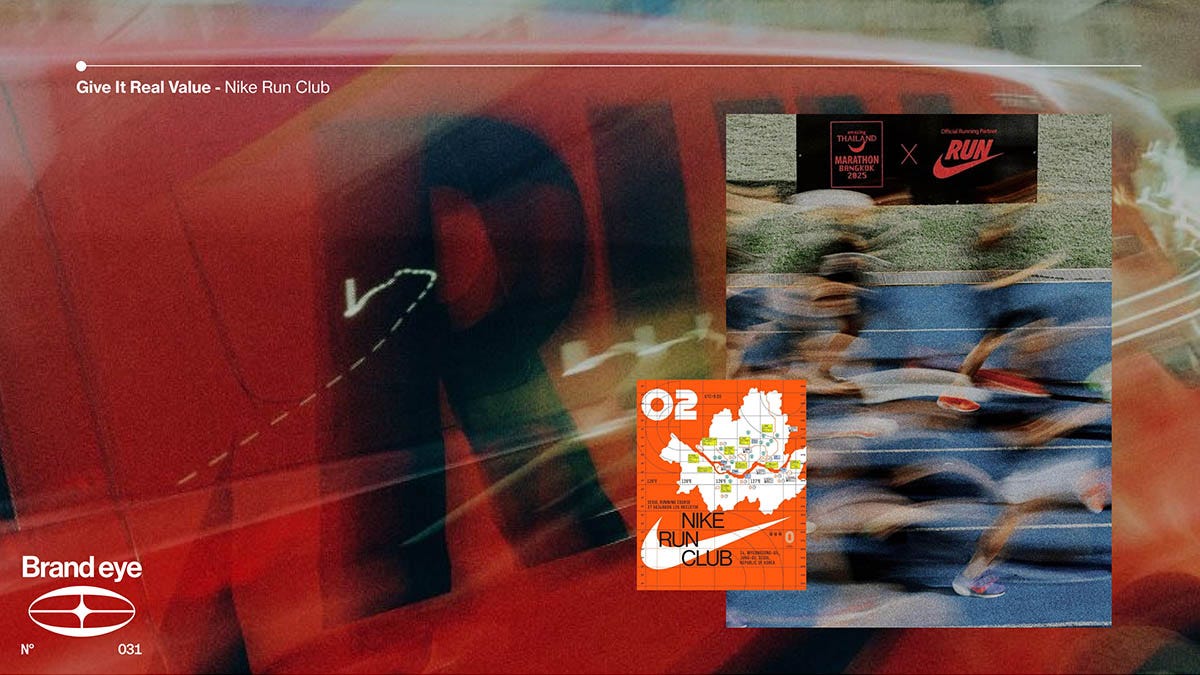
The Trojan Horse has to be worth having in its own right, that’s how you get people to use it often enough to work. Consider whether someone who has never heard of your brand would still use it, just because it’s handy. Take Nike Run Club for instance, a free app that tracks your runs and coaches you through them but works just as well in a pair of Hokas or On’s. In return for being a genuinely good product, Nike gets a few minutes of runners’ mornings, regardless of their choice of sneaker. Better than a simple branded water bottle, which gets lost at the bottom of a gym bag and can easily be replaced with anyone else’s swag.
2. Make it carry the story
An object that turns up everywhere but is only a vessel for your logo is merch. It tells people you exist, and that’s all it tells them. The FRAKTA works because it’s IKEA in one object: cheap, tough, folds down small, and handy for whatever awkward job you’ve got, from moving students into halls in freshers’ week to hauling gym kit. When there’s a cumbersome task to be done, the FRAKTA makes it a bit easier, which is exactly the role IKEA wants in your life.
It carries the brand story so well that it no longer needs the logo.
3. Price it as a way in
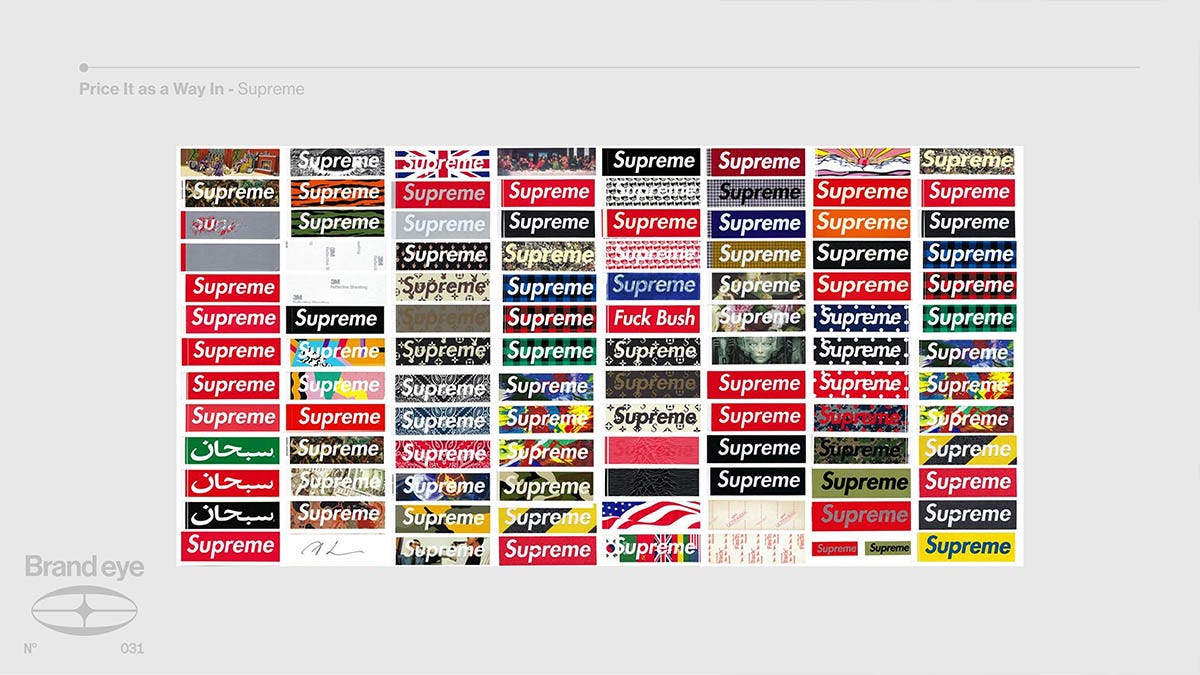
It has to be cheap enough that customers barely think twice. The Trader Joe’s tote was priced as an impulse buy at the till, so cheap that basically everyone who shops there picks one up at some point, often several. But it costs just enough that you wouldn’t buy it and throw it away. Having paid for it, you want your money’s worth, and the reuse is how it gets into your habits.
Free can work too, as long as it rides in with something they’ve already paid for. YETI and Supreme put stickers in the box, and those stickers end up on trucks, boats and laptops for years.
What struggles is free and on its own. When Michelin first launched its now famous guide, they gave it away for free. André Michelin, apocryphally later found copies propping up a workbench at a tyre dealer’s and resolved to charge money for it, not because he needed the revenue but because he reasoned that people associate value with purchases.
4. Make it outlast the sale
The Trojan Horse should still be in customers’ life after the main product’s been used up. Seed sells a daily probiotic, which is about as disposable as a product gets: two capsules a day, gone in a month. The first order arrives in a refillable glass jar with a free glass travel vial, and every refill after that comes in a compostable pouch. The capsules run out. The jar stays on the shelf. Same as Huel’s shaker.
If your product is consumable, this is the rule that matters most, because your product leaves their life by design. If you can contribute something alongside that product that doesn’t then your brand has more heft in their habits.
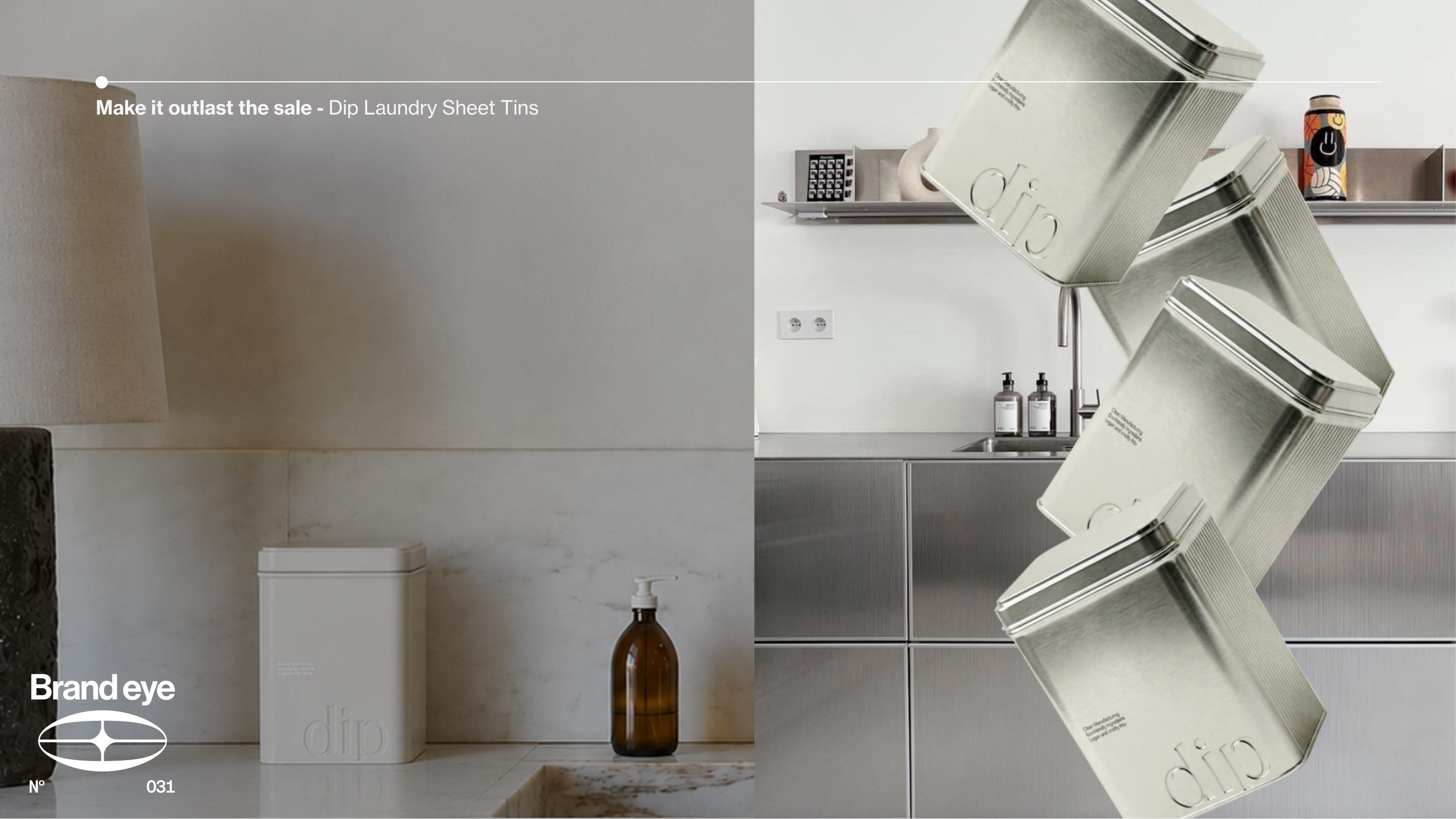
Dip’s laundry sheets dissolve in the wash, so me and my team at BlinkTwice developed a refillable tin with nothing on it but a debossed logo, made to live on the counter rather than under the sink. Customers buy the tin once and refill it from Dip’s boxes, so the product vanishes but the brand stays in view, and the easiest next purchase is always more Dip.
5. Make something only you could make
Ideally your Trojan Horse is distinct as well as conspicuous. Any outerwear brand could knock off the Arc’teryx beanie, and any furniture company could do a carrier bag, but the more yours looks like another brand’s, the more generic your brand looks with it.
The Michelin Guide is another example of a Trojan Horse that almost nobody could copy. A restaurant guide might seem well outside the wheelhouse (pun intended) of a tyre company, but that’s the point. It made sense for exactly one business, so no rival could follow without looking like it was copying Michelin.
6. Put it on show
Your Trojan Horse should be conspicuous, not just noticeable but downright obvious, because if nobody else sees it, it only ever works on one person. rhode’s lip case nails this. It’s a phone case with a slot for the brand’s lip tint, so it piggybacks on the one object people brandish constantly, and it turns up in every mirror selfie, which carries it from the room into the feed. e.l.f. bought rhode in 2025 in a deal worth up to $1bn, and we’d argue the best thing the brand ever made is a phone case.
If your product lives in a cupboard, this is where the work is, finding the moment your customer is out in public and making yourself part of that.
Where it goes wrong
The logo on a random object. Pens, mousepads, stress balls, the conference tote. They fail the first two rules because nobody would want one with the logo taken off.
Building it before the story. The Trojan Horse is the last of the eight moves behind every cult brand for a reason. It has to carry a story, and you need to know what that story is first.
Something that needs selling. If you have to explain why someone needs it, it’s too expensive or too vague, it should be immediately obvious why it’s useful, ideally it should anticipate a need a customer hasn’t even articulated.
A good object that goes back in the cupboard. A beautiful tin that’s put away after use works on one person, once a day. Design it to stay out, on the counter or the bedside table, and it works on everyone who comes round too.
How to find yours
Alright, so we’ve covered why, what and what to avoid. But how do you actually make one?
As with literally any creative enterprise, it takes a fair amount of experimentation, play and ingenuity. There’s no foolproof template, but there is an order to do it in, and it starts with where your customers are between orders rather than with the object.
When you do get to the object, look for something cheap, common and used often. Carrier bags, phone cases. Find an everyday item and make a distinctive version of it and you’re halfway there. The other half is mapping of your customers’ days, and running ideas through the four tests, which is what the worksheet below is for.
Then make a small batch, put it in the box or by the till, and watch what people actually do with it.
The diversity of these objects, from phone cases to bags to restaurant guides to beanies and mugs, is part of the charm, and part of what makes them work is that they’re a bit frivolous. Because they sit outside the core product, they get licence to experiment.
And if these rules seem hard to reconcile into a single mass-producible object, well, it’s because they are. That’s part of why not every brand has one. Crack it, though, and the upside is huge.
Your move
A dog in a bag on the subway, a sticker on a laptop, a phone case in every mirror selfie. None of the brands put them there. Their customers did. So picture your customer three weeks after their last order. Where are they, and is anything of yours there with them?
Find yours in thirty minutes. The free Brand Trojan Horse tool walks you through it in three steps, with all 18 examples sorted by kind, the four-question test and a ten-minute AI prompt that maps your category and audits what your competitors already do, without coming up with the ideas for you. Prefer a pen? Download the worksheet from the same page.
Not sure what story yours should carry yet? Take the Brand World Score: eight questions, two minutes, and the exact move where your brand world breaks.
Until next week,
Jack