


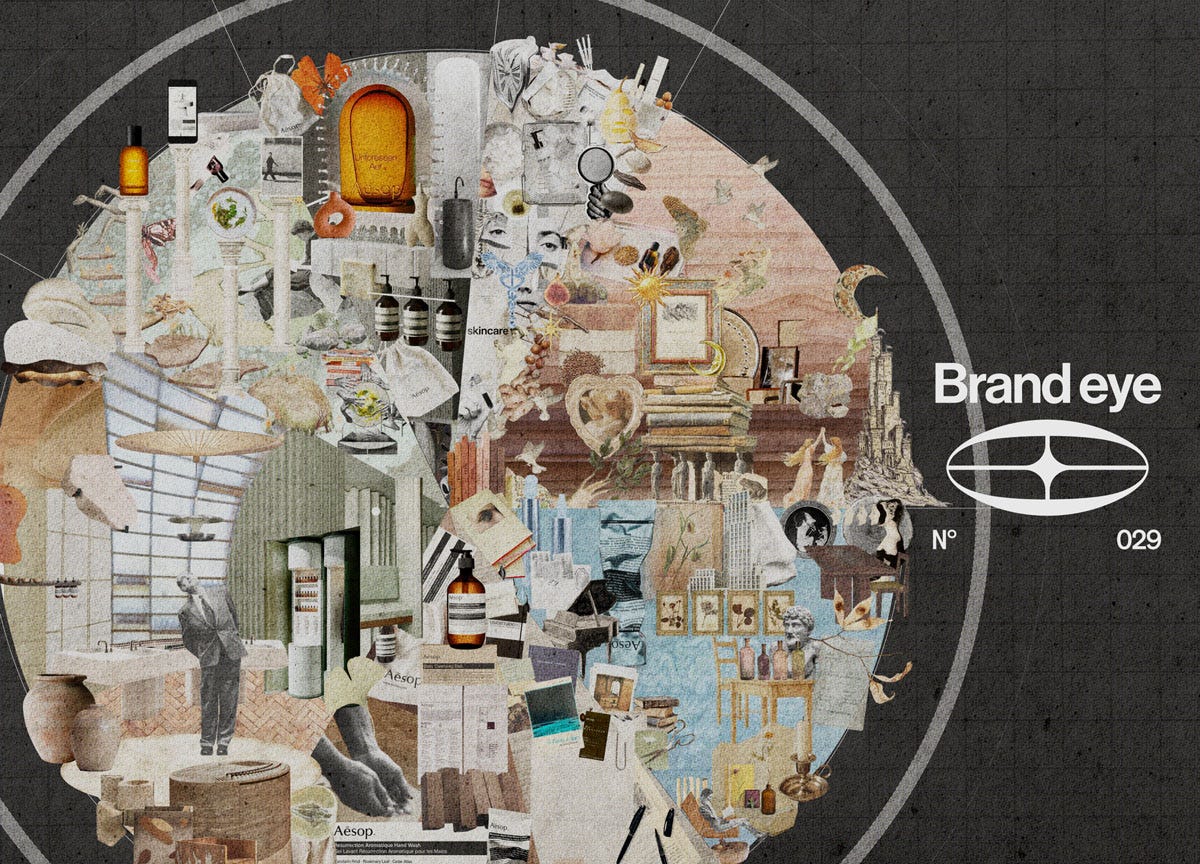
A couple of weeks back we laid out the eight moves behind every cult brand. The kind people buy on purpose, pay full price for and come back to on their own, usually with a friend in tow. This week we’re doing a case study of a brand that actually applies these moves, so you can see what they look like when they’re done properly.
Aesop, in case you (somehow) missed it, is a skincare company that started in a hairdresser’s salon in Melbourne. They went their first two decades without ever running a single ad, and still, largely as a result of clever branding managed to build a company and product range people went out of their way to find.
Story
Move 1: Map the Red Ocean
What it is: Write down what every brand in your category does by default. You can’t leave what you can’t see.
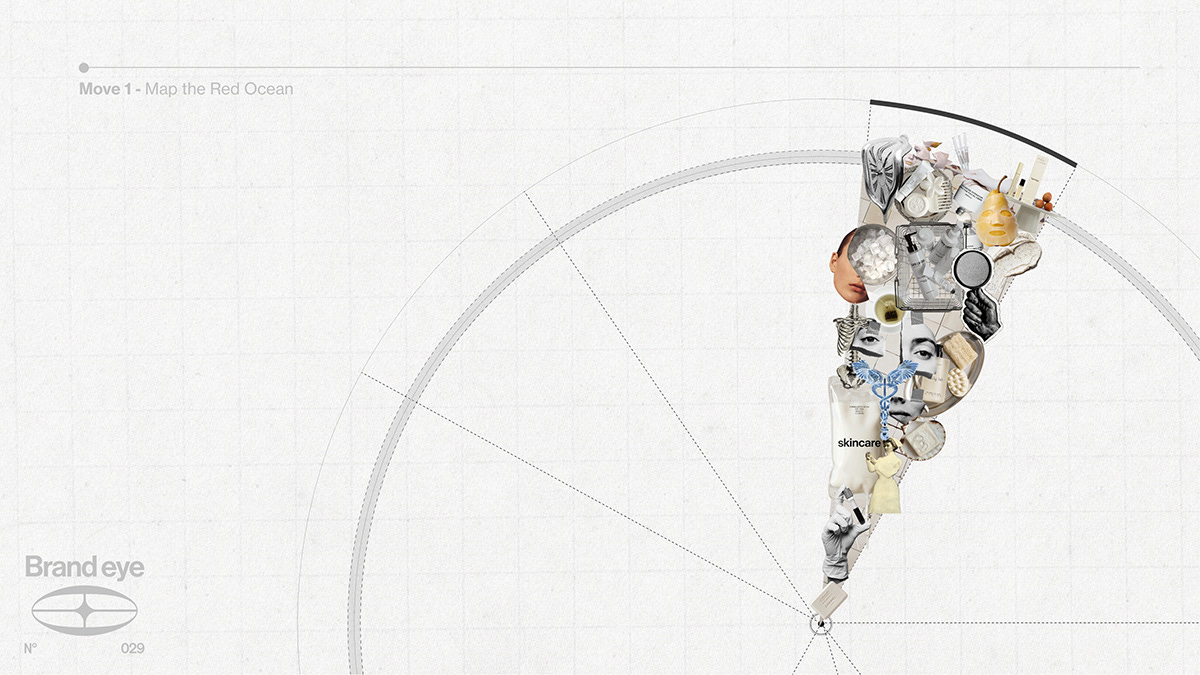
Picture your typical skincare ad, a white bottle, a lab coat, a before and after, and a counter that promises to turn back time. It’s scientific, its jargon heavy, and its results oriented, the product itself as a physical object is secondary, the effects are all that matter. It’s been the default for so long that most people don’t even notice it anymore.
If you copy that as a new brand and every launch is just another claim nobody believes. Legacy competitors in this space have R&D budgets in the hundreds of millions to develop their products. If you lean into their selling points as a new brand, it would be hard to get people to buy it. You pay to be noticed, then you pay again to be trusted.
Before they did anything, Aesop took the time to study their industry and their niche, so that they could move with intention and maximise the value of their own branding.
The Result: Every move after this one is measured against the map.
Move 2: Find the Unfair Truth
What it is: The one true thing about your category that only your brand will say.
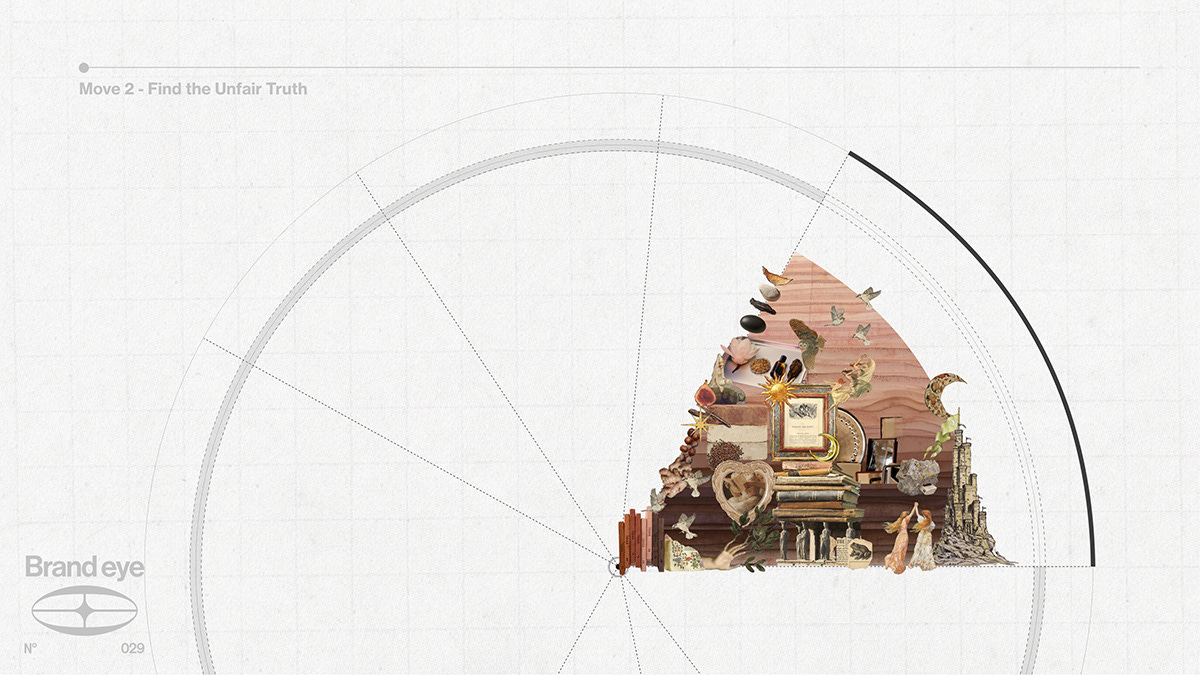
Dennis Paphitis was a hairdresser in Melbourne in 1987 when he started to blend oils in his salon, Emeis in Armadale. He chose to name his new brand Aesop, after the ancient Greek author of fables, as a tongue-in-cheek nod to the fabulations of beauty products. In his view, every claim on the shelf was a fable so he named the brand after the man credited with them.
That’s the truth Aesop has built on ever since. No cream transforms anyone. What you’re really buying is a daily ritual.
The Result: A competitor can’t repeat your truth without admitting their own promise is the fable.
Move 3: Make the Blue Ocean Move
What it is: Take the direction the category can’t follow without becoming a different company.
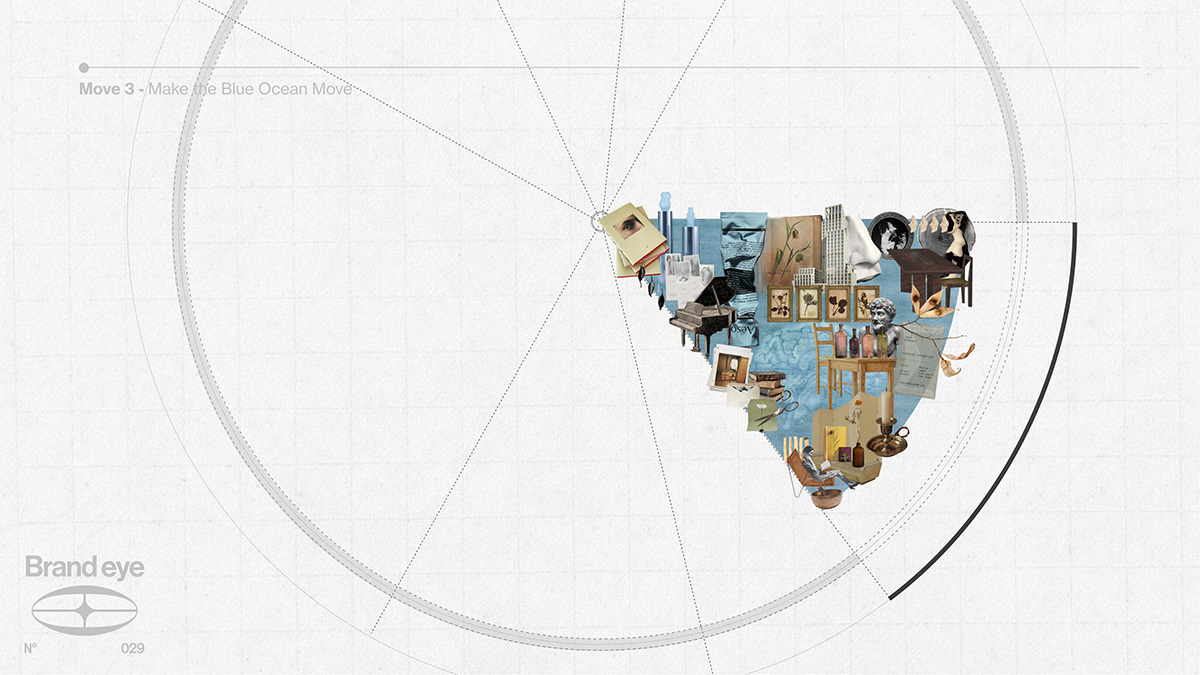
Every skincare brand was fighting over the same promise. Aesop stepped out of that fight entirely. Twenty-one years in, it still hadn’t run a single ad. It grew through its stores and through word of mouth instead.
Instead of leaning into anti-ageing messaging, chemical formulae and the technical messaging of larger brands, they embraced all of the ancillary attributes that define self-care products. Texture matters, scent matters, the use of the product itself should be pleasurable, that’s what Aesop promised and they tailored their presentation to match that ethos.
For a beauty brand to follow, it would have to stop selling the promise its whole business runs on.
The Result: Your move positions you so the category has to break itself to copy it.
Move 4: Set the North Star
What it is: One line every decision has to pass through, a written-down filter.
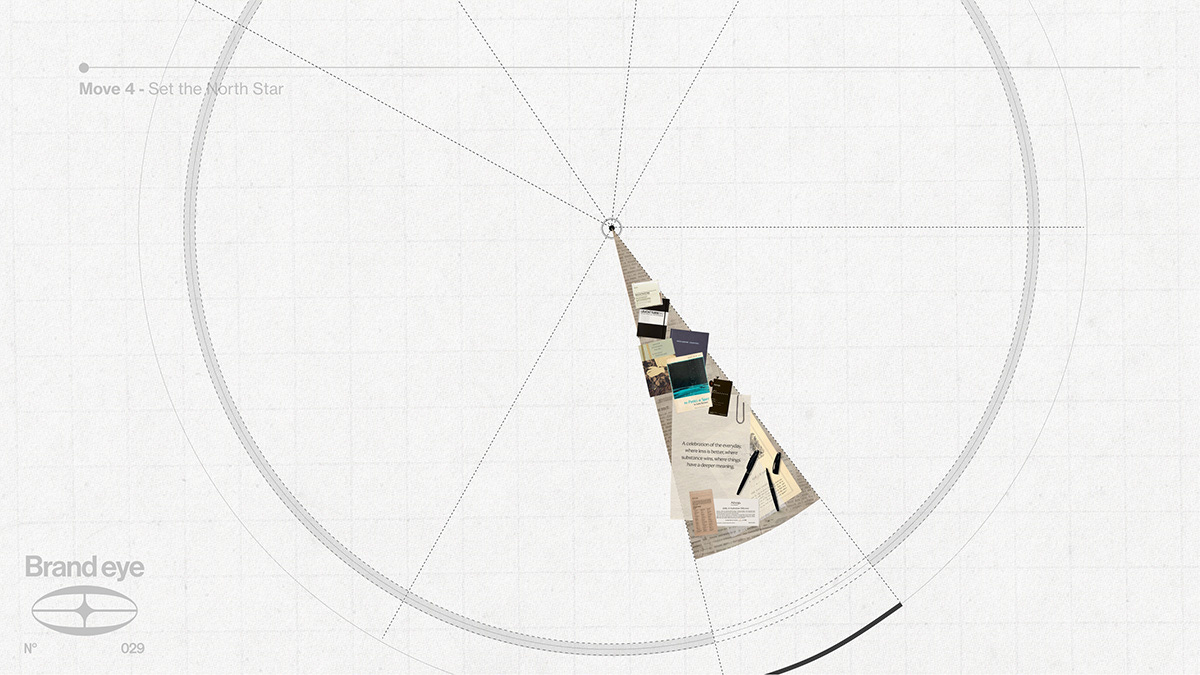
Across everything Aesop does one line holds it together: turn a daily act into a ritual worth slowing down for.
Aesop’s design philosophy is concise enough to be flexible and robust at the same time, their position is that well-considered design improves our lives. Paphitis once admitted the company labours over seemingly trivial decisions just to make things look effortless. That’s what a North Star looks like in practice.
The Result: When your story is clear enough, you never have to decide what to do next. The story decides for you.
Signal
Move 5: Build the Signal
What it is: A single asset that makes your story visible. So rooted in your story it couldn’t belong to anyone else.
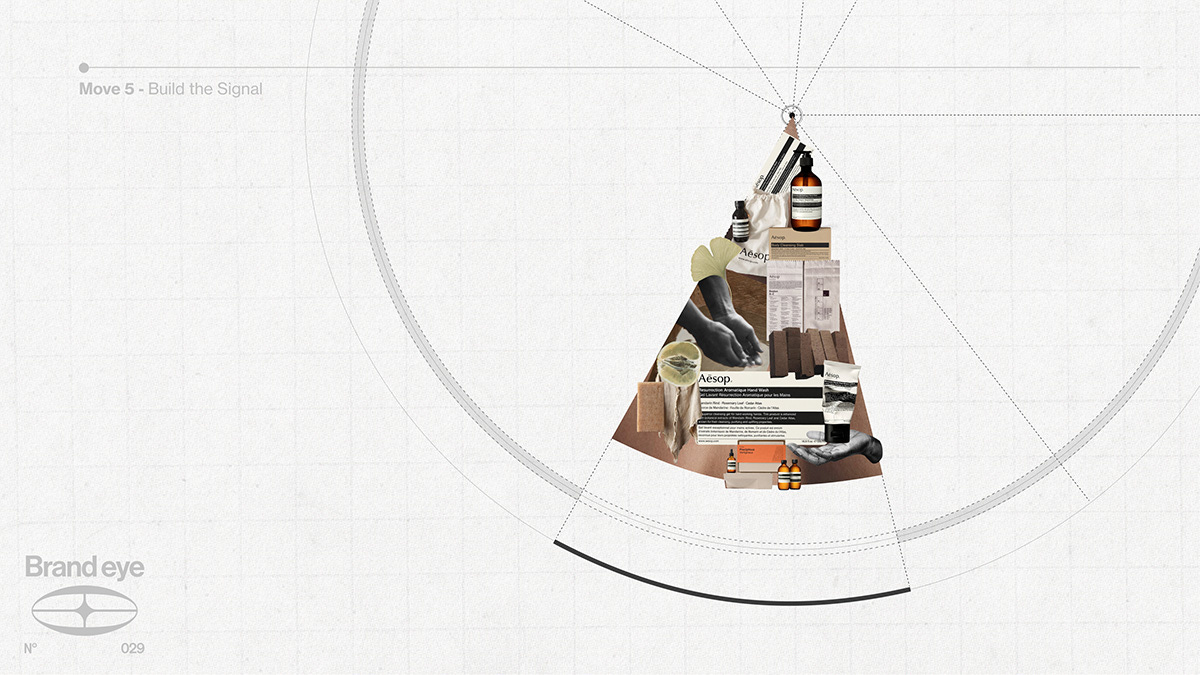
For Aesop it’s the amber bottle and its label working together as one aesthetic and functional object. Pharmacy glass, a black cap, a cream label in small type, with the name and description set in solid black bands. Ingredients and instructions, no promise.
Remember why Paphitis picked the name, he argued every claim on the shelf was a fable and he wanted to be different. The label is the physical form of that decision, it tells you what’s inside and what it does, then stops. No before and after.
That’s why it couldn’t belong to anyone else. Aesop didn’t invent amber glass, nor the black cap, nor the functional typography they use, chemists were using it long before they did. Aesop made that bottle its own, however, and made it iconic. People even buy lookalike labels to make their own bottles pass for Aesop’s. The bottle shows you Aesop’s story before you’ve read a word of it.
The Result: Cover the name and you’d still know whose bottle you’re looking at.
System
Move 6: Install the System
What it is: Obsessive commitment to your brand story across every touchpoint. Everything the customer can touch, in the same story.
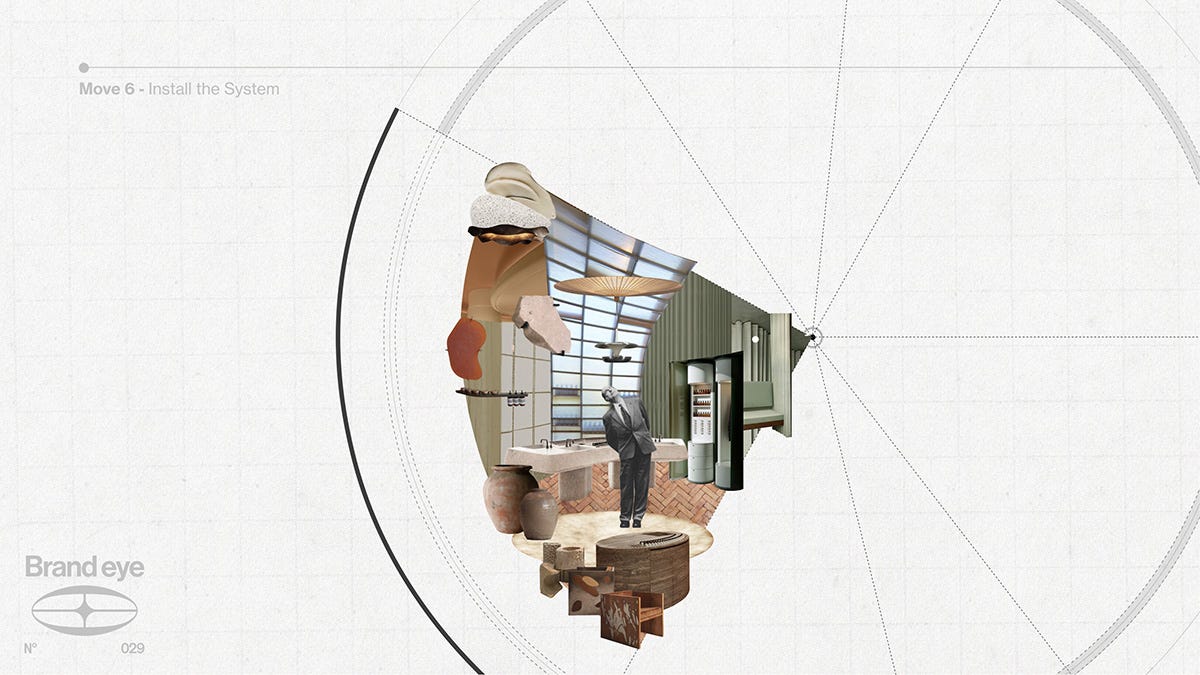
We wrote about this in Brand Eye 20, but ever since their inauspicious first store, down the ramp of a St Kilda car park, Aesop has always leaned into unique spaces as a way to both integrate organically into, and stand out from, their surroundings.
Most stores are designed by local architects, from materials that say something about where they are. In New York’s Nolita, home to Aesop’s first US store, that meant walls built from salvaged copies of the New York Times. In the ancient Roman spa town of Bath in the UK it meant Bath stone, the honey-coloured limestone the whole city is built from and has been since antiquity.
In each store, there’s a basin in the middle, and someone washes your hands.The materials change from city to city, but the rules stay the same, which is exactly what makes it a system. Each store even gets its own single colour, a different one every time.
The Result: More than 400 stores, no two alike, and every one of them unmistakably Aesop.
Move 7: Break the Story into Pillars
What it is: A few pillars, each pointing at the brand story, each with a recurring series inside it.
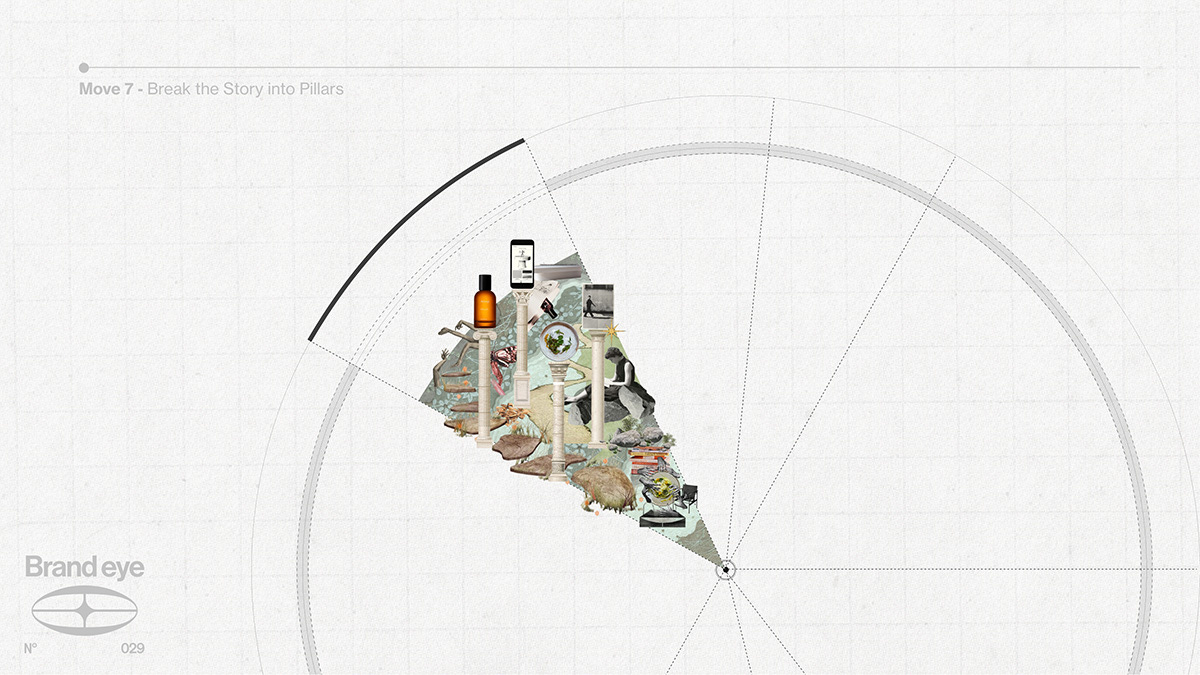
Breaking content into pillars lets your marketing stay consistent, in that audiences can expect more of what they like, and yet diverse, in that you can offer a broad range of distinct avenues for new audiences to get drawn into your brand world.
For design, every new store is an episode, and they’re all catalogued in Aesop’s Taxonomy of Design.
The arts run as a series too: The Fabulist, a literary journal named for the same storyteller as the brand, and a Queer Library every June, with the shelves cleared and the books given away for free.
Formulation gets its own collections, like Othertopias, a trio of fragrances launched in 2021.
The Result: Every launch has a pillar to live in. Brand content becomes a journey of exploration not linear.
Move 8: Plant the Trojan Horse
What it is: Something cheap or free that stays in the customer’s life after the purchase and keeps selling for you. Think of the Trader Joe’s bag that became a fashion craze.
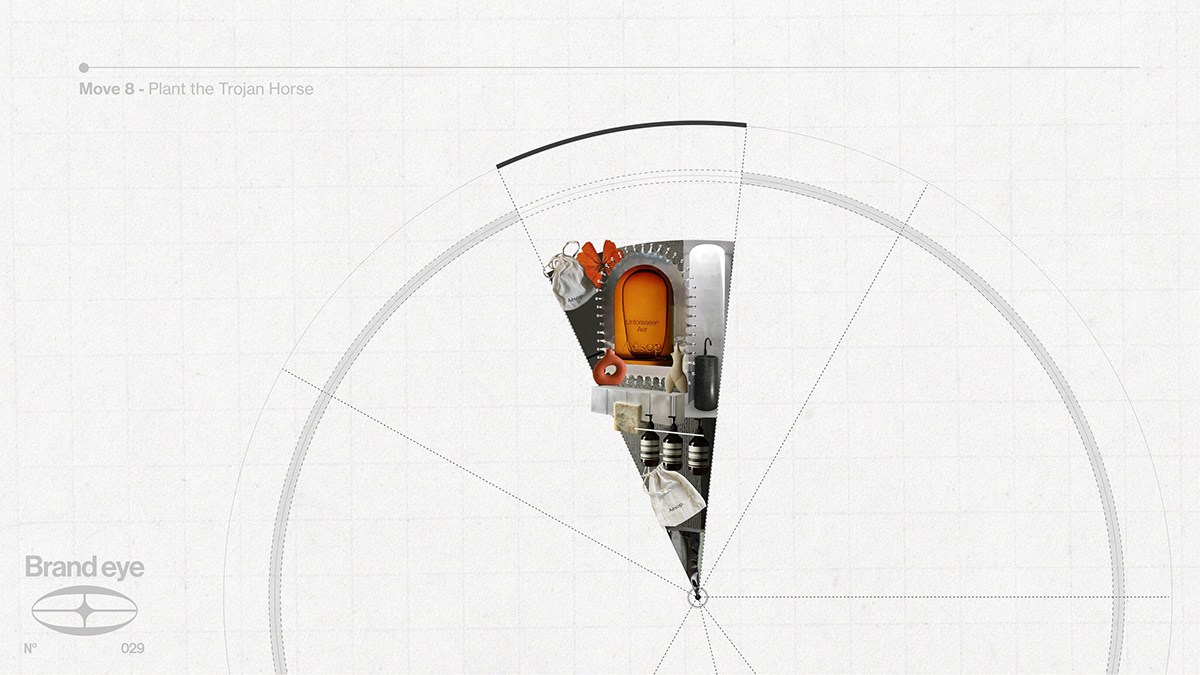
For Aesop it’s the string bag, and to an extent, the Resurrection hand wash bottle. The hand wash sits by the basin in restaurants, hotels and galleries, so for many people, their first interaction with Aesop may have been in someone else’s bathroom. But the wild thing is that it’s entirely possible the product itself wasn’t even Aesop. People save the bottles and refill them with whatever is on hand, just for the look of the packaging. That’s the Signal from Move 5, still working long after the hand wash has run out.
The empty bottle stays on your sink, and the string bag it came in goes out on your shoulder. You’re a brand ambassador without even knowing it.
The Result: Customers come back on their own, and bring others with them.
Where your brand world breaks
Those are the eight moves, run on one brand. Each one is a decision Aesop made once and then kept making, store after store, launch after launch.
Proof: In 2023, L’Oréal paid $2.5bn for Aesop, a brand that went its first two decades without advertising.
Which move is your brand missing? That’s usually the one worth fixing first. The Brand World Score is eight questions, one per move. You’ll get a score out of 10 and the exact move where your brand world breaks.
Heard the Aesop story many times but it never gets old. You summarised and dissected it well. Nice graphics too :)