



Welcome back for part two of our interview with Jonathan Weaver, formerly of Nike and now CMO at Db. If you missed part one, where we got into why Db keeps the circle small and why even Nike’s brand teams have to fight for budget, you can catch up here. This week we talk performance marketing and why founders should look outside their own niche for inspiration.
Jack: What are you thoughts on uniqueness and experimentation vs the pressures of performance marketing? It seems that people on the business side of things, looking at pure numbers are very drawn to performance marketing as the dominant framework, and it’s seductive for founders too who have to be conscious of runway and CAC, but are brands loosing something by focusing on metrics?
Jonathan: On my Substack, I’m drawn to brands that do things differently. I think founders and brand directors should absolutely look outside their own niche, because there isn’t one playbook for building a successful brand anymore. The more varied your influences, the more likely you are to spot an approach that everyone else in your category has overlooked.
One of the biggest traps today is allowing performance marketing to dictate everything. It’s seductive because it’s measurable: put money in at the top and see revenue come out at the bottom. But everyone is playing the same game, on the same platforms. Google, Meta and the others aren’t trying to make less money each year, and the pressure on acquisition costs is unlikely to disappear.
A digital lead I once worked with put it brilliantly: you can make better ads to lower your customer acquisition cost, or you can build a brand so desirable that people actively seek you out. The second route is harder to measure in the short term, but it can be far more powerful in the long term.
Jack: So presumably you’re not of the mind that pure performance marketing and reach are as much of a one-size-fits-all solution to driving demand as they’re often made out to be?
Jonathan: Too many businesses assume they can make a good product, put paid media behind it and call that a brand strategy. That might work for some low-cost, frequently purchased products. But as prices rise, brand becomes an increasingly important differentiator. And in a world where everyone is optimising for search engines and AI discovery, distinctiveness will matter even more.
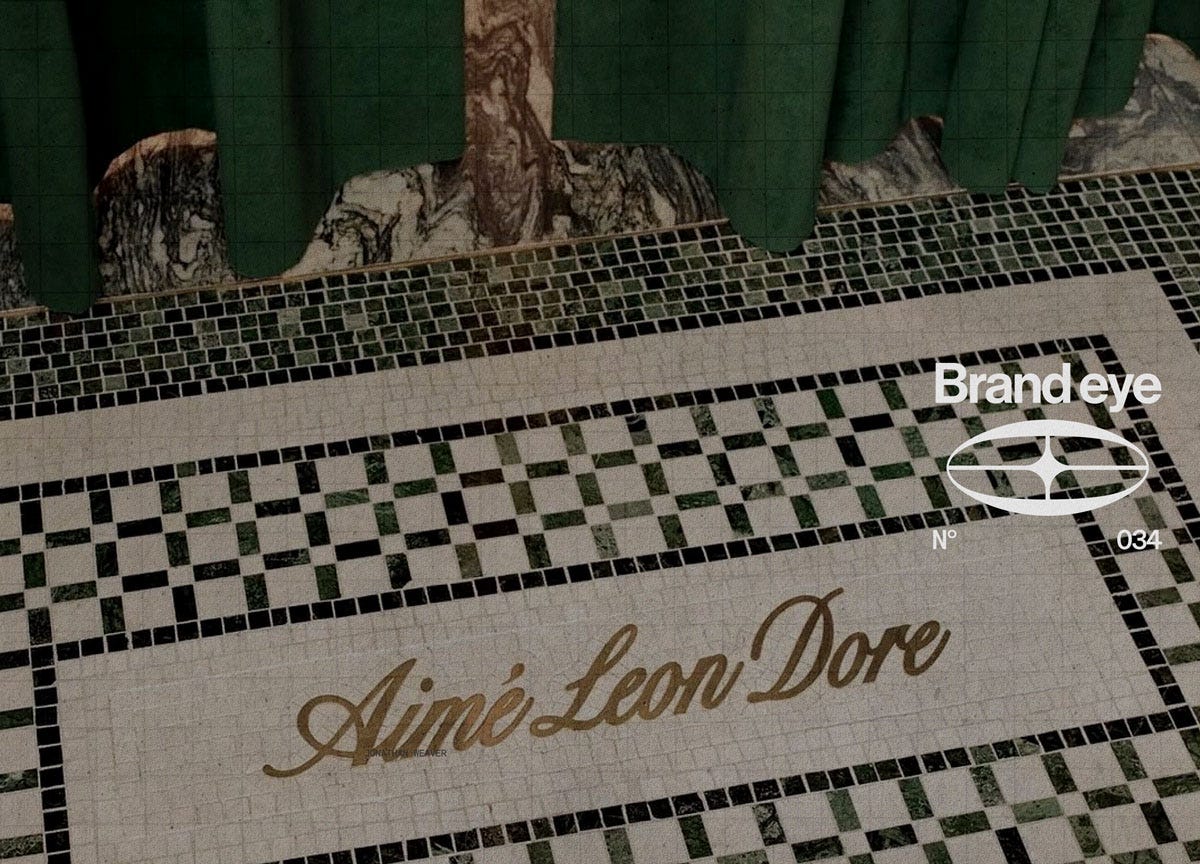
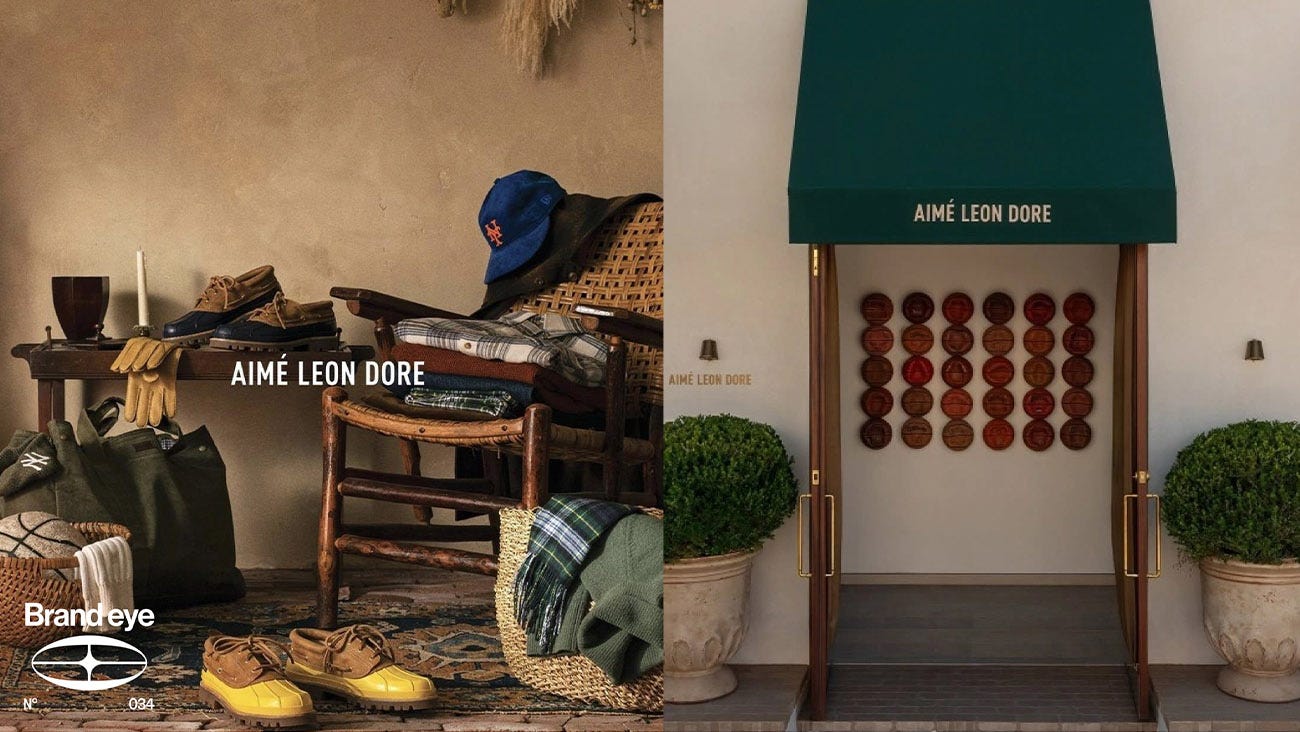
Aimé Leon Dore is a brand I keep coming back to and have written about here. Teddy Santis has built his brand carefully and intentionally with meticulous curation and extraordinary physical retail. Rather than treating the store as simply another sales channel, the brand makes it part of the experience. The spaces, the service and even the sense of anticipation reinforce why the product commands a premium. It’s a reminder that acquisition doesn’t always have to begin with an ad.
Jack: But is it perhaps just a small/new brand vs. old/large brand thing, maybe the more entrenched you are once low hanging fruit has been picked, you’re forced into leaning on performance marketing?
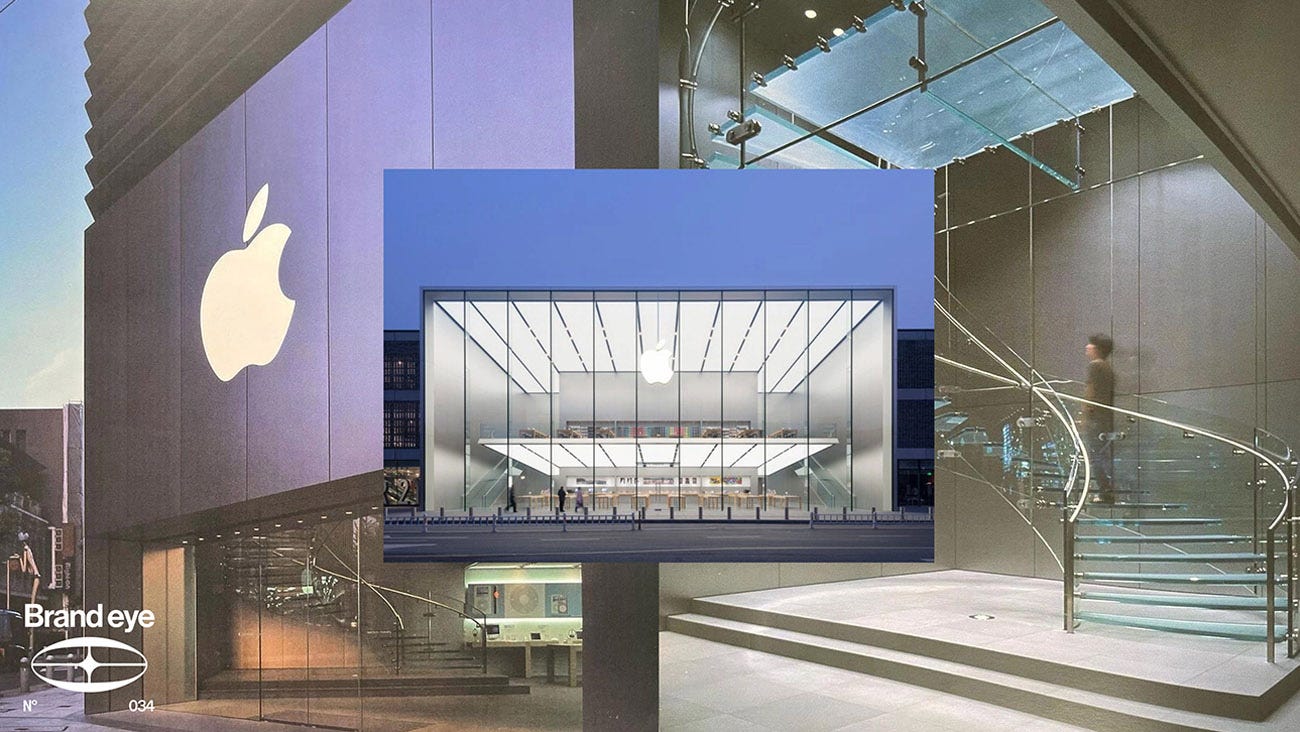
Jonathan: There’s a parallel with Apple. Its stores turned electronics shopping into a carefully designed homages to their brand experience, helping customers understand and feel the value of products that were priced very differently from many alternatives. The lesson isn’t that every company needs flagship stores; it’s that how you sell can be just as distinctive as what you sell. Then from there the whole brand has a very premium feel, so much so that they don’t give any products away in the form of seeding. Paid acquisition is useful, and a brand like Aimé Leon Dore (who currently don’t do performance marketing) might well generate additional short-term sales by leaning into it. But the danger is becoming dependent on a channel you don’t control. Once the revenue starts flowing, it’s difficult to pull back, even as costs rise. I see a similar potential dependency forming around AI tools: as businesses weave them into everyday workflows, they may find it difficult to reduce usage if pricing changes. The precise economics are uncertain, but the broader lesson is to be careful about building your business around somebody else’s platform. That’s why I think founders need to study more than their competitors and more than the latest growth tactic. Look at hospitality, fashion, technology, culture and retail. Ask how different businesses create desire, community and loyalty, for example how Revolut are challenging the banking status quo. The era of simply attaching an influencer to a product and expecting it to sell out is far less reliable than it once was.
Today, strong brands are built through the whole experience: excellent product and customer service, compelling creative, customer-generated content, thoughtful performance marketing, PR, word of mouth, events, physical spaces and genuine community. The mix will differ for every business, which is precisely why a broad media diet matters.
Performance marketing can capture demand. A great brand helps create it. The challenge for founders and brand leaders is to build both, and to stay curious enough to learn from places well outside their own industry.
Thank you all for reading, and thank you again to Jonathan for taking the time to chat to us. Be sure to check out his own Substack, The Snowball Effect. The insights he’s shared here do us the flattery of confirming what we’ve long argued about creativity in branding and the power of cult brands, but there’s also been plenty to learn from him that is perhaps counterintuitive even to the well informed. That’s the value, or so we believe, of interviewing distinct voices with a long history in this business, their perspectives can unearth truths about branding, marketing and advertising, and few people have seen both sides the way Jonathan has, from a global giant like Nike to a challenger like Db.
So to that end, you should expect more of this type of content going forward. Until then, we’ll be back with a regular Brand Eye next week.
Excellent! I shall be quoting this article... a lot!
Looking outside your niche is the part I would underline. A small product brand can borrow a lighting mood from fashion or a framing from film, and customers feel something fresh without knowing why. Performance ads tend to look alike because everyone studies the same winners. Where do you look for visual references?